
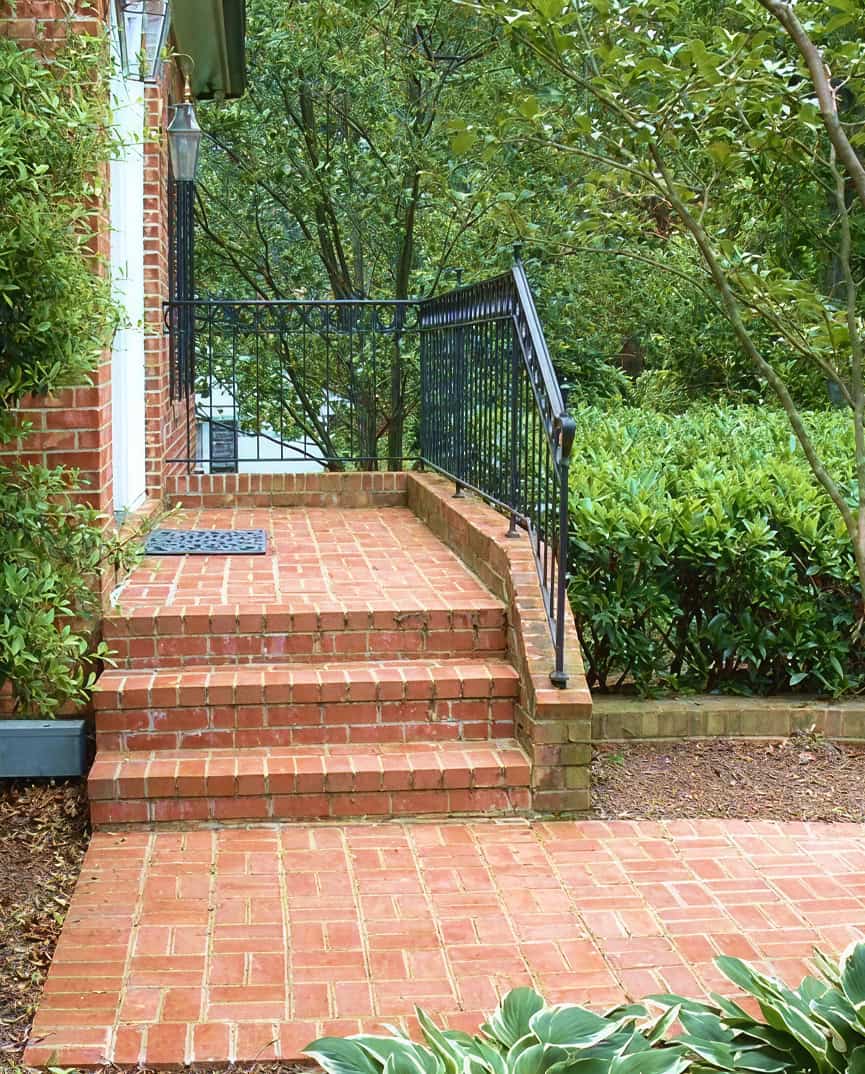
Historic Masonry Specialists
Walkways for
Historic Homes
in Washington, DC
A walkway should do more than connect the sidewalk to the front door; it needs to be safe, manage water effectively, and match the home's character. Renaissance Development specializes in repairing and constructing walkways with a preservation-focused approach for older homes and historic properties in Washington, DC, and Old Town Alexandria. We address issues like settling, water retention, and deterioration at joints, ensuring that the right solutions enhance both appearance and long-term performance.


Trusted by Owners of Historic Properties
Walkway Problems Are More Than a Curb Appeal Issue
Many owners first notice a walkway problem as an eyesore or a nuisance: loose brick, uneven surfaces, open joints, or puddling after rain. On older properties, however, those visible symptoms often point to larger issues involving drainage, base failure, root pressure, seasonal movement, or deterioration in adjacent masonry.
This is why timely walkway repair matters. A properly restored or rebuilt walkway does more than improve the appearance of the entry sequence. It helps reduce trip hazards, manage moisture more effectively, protect nearby masonry, and create a more durable transition between the public sidewalk, the garden, and the home.
Problems We Solve and What We Look For:
Settling, heaving, and uneven walking surfaces
When sections of a walkway sink, shift, or rise, the issue is rarely cosmetic alone. Differential settlement, inadequate base preparation, or root intrusion can create unsafe conditions and accelerate further damage.
Water ponding and poor drainage
Standing water shortens the life of walkways and can contribute to slippery surfaces, staining, and deterioration at joints and edges. On older properties, drainage also matters because water should be directed away from the building and surrounding masonry.
Open joints, loose units, and edge failure
Loose brick or stone, crumbling joints, and failing borders allow movement to spread across the walkway. Once the surface begins to open up, water can work deeper into the assembly and weaken it further.
Freeze-thaw damage and surface deterioration
Washington’s seasonal weather can be especially hard on masonry walkways. Repeated moisture exposure followed by freezing temperatures may contribute to cracked units, spalling faces, and widening joint failure.
Root intrusion and movement from surrounding landscape conditions
Tree roots and planting beds can lift paving, distort alignment, and create recurring instability. A durable repair often requires looking beyond the surface and evaluating the broader site conditions affecting the walkway.
Unsafe transitions at entries, steps, and garden paths
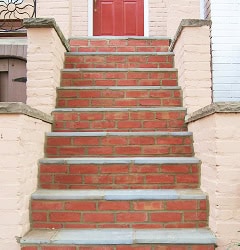
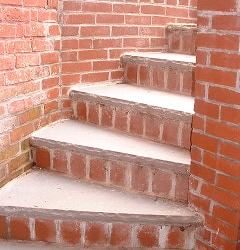
A walkway should connect cleanly and safely to steps, stoops, gates, retaining edges, and adjacent paved areas. Changes in elevation, loose edges, or worn transitions can create hazards and make the whole entry sequence feel unresolved.
If your walkway is uneven, deteriorating, or holding water, we can evaluate the existing conditions and recommend the appropriate next step.
Walkway Services for Historic Properties
01
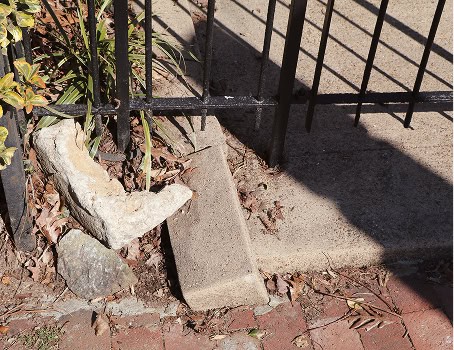
Walkway Repair and Resetting
Some walkways can be improved by selectively lifting and resetting displaced areas, correcting localized settlement, reestablishing alignment, and repairing failed joints or edges where deterioration is limited.
02
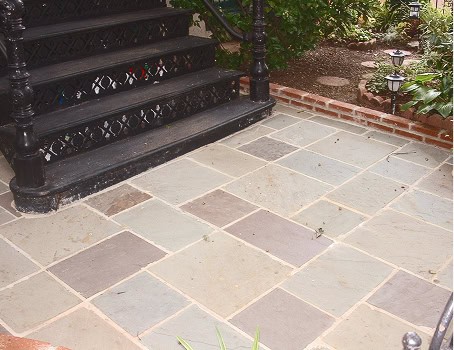
Walkway Reconstruction
When a walkway has widespread movement, drainage problems, or long-term base failure, a more comprehensive rebuild is often the better solution. Reconstructing the walkway allows the underlying conditions to be corrected rather than merely covered over.
03
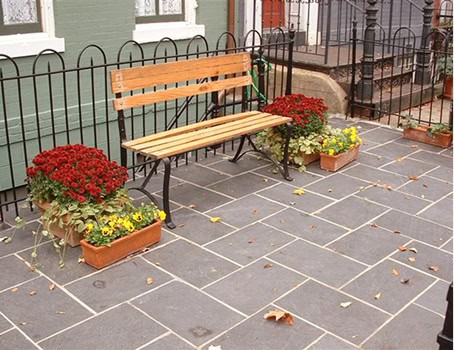
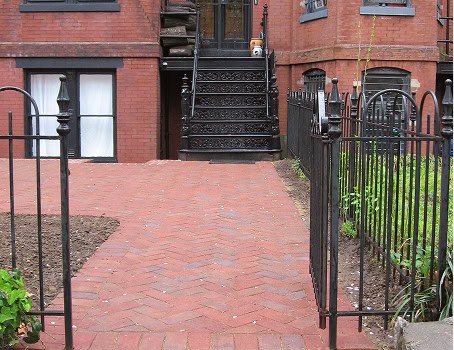
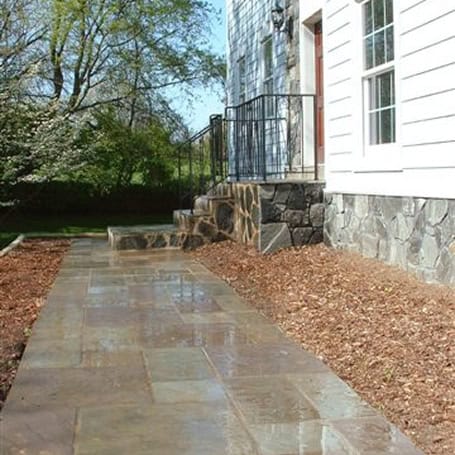
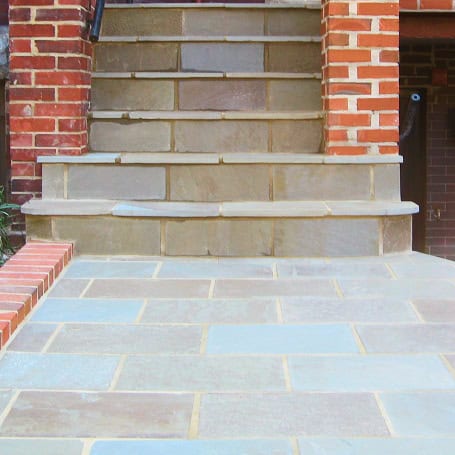
Brick, Stone, and Concrete Walkways
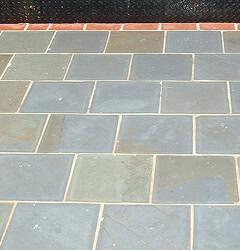
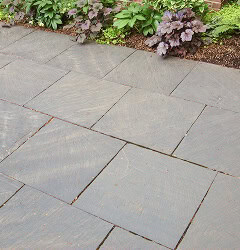
Renaissance Development builds and restores walkways using materials appropriate to the property and project, including brick, stone, and concrete. The goal is always to create a walkway that feels compatible with the architecture, durable in service, and visually resolved within the landscape.
04
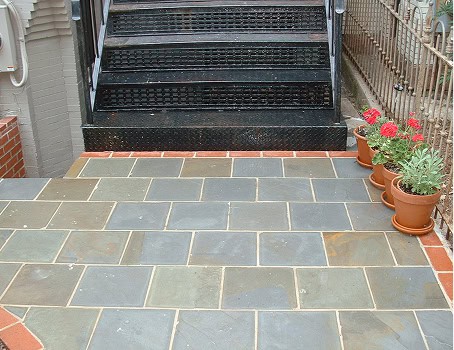
Entry Paths Integrated With Adjacent Masonry
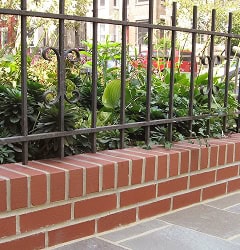
Walkways rarely exist in isolation. We also consider how they connect to steps, stoops, retaining edges, garden walls, and other masonry features so the finished work feels cohesive rather than pieced together.
06
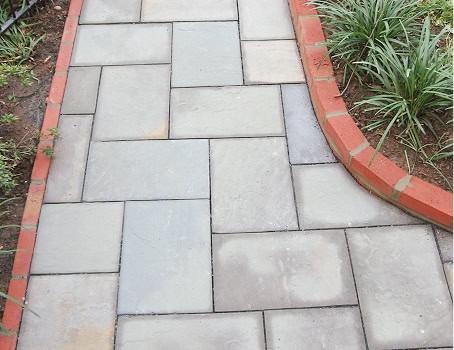
Walkway borders, edging, and transitions
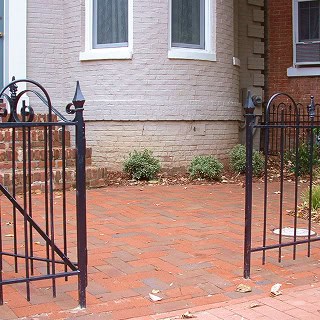
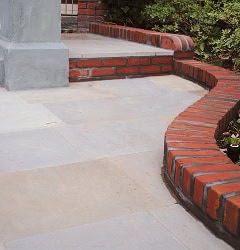
The edges and transitions of a walkway are essential to both its appearance and long-term stability. Brick borders, stone edging, and clean transitions at gates, steps, and planting areas help define the path, support the paving, and give the finished work a more complete and historically appropriate appearance.
06
Drainage-aware walkway improvements
A successful walkway should shed water properly and avoid directing moisture toward the house. When grading, slope, or water concentration are part of the problem, those conditions should be addressed as part of the restoration strategy.
More Than Just a Cosmetic Update for Your Walkways
- Both residential & commercial
- Respects original character of the building
- Stop any signs of broader walkway deteriorations


Request a Free Estimate!
Tell us what you are seeing.
Describe the mortar or brick issue and our team will follow up about your property and next steps.

We used Renaissance to replace a deteriorating faux wall with brick and they did a fantastic job, attached are before and after photos! I would highly recommend them for all jobs big and small!
Why the Right Walkway Approach Matters
Older properties require more than a surface-level fix
On historic homes, walkway work should be approached as part of the property’s larger masonry environment. Quick patching may improve appearance briefly while leaving the actual causes of movement, drainage failure, or deterioration unresolved.
A durable walkway starts below the surface
Long-term performance depends on more than the visible paving units. Subgrade conditions, base preparation, edge restraint, drainage management, and the relationship to surrounding masonry all influence how well a walkway will hold up over time.
Historic character should guide material and design decisions
A new or restored walkway should feel appropriate to the building, not generic or out of place. Material selection, joint treatment, layout, borders, and transitions should support the character of the house and neighborhood while still meeting present-day functional needs.
Materials, Patterns, and Craftsmanship for Historic Contexts
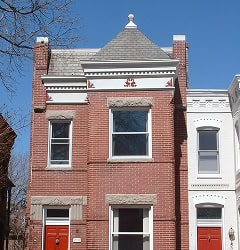
Renaissance Development approaches exterior masonry with an understanding that older buildings deserve materials and detailing chosen with care. For walkways, that means looking closely at the age and character of the house, the surrounding masonry, and the practical demands of the site before recommending a repair or rebuild strategy.
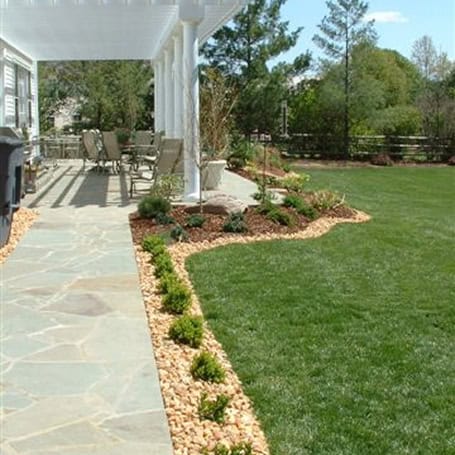
For some properties, brick is the most natural choice because it complements historic façades and traditional garden walls. In other cases, stone or concrete may be appropriate depending on the architecture, the setting, and the intended use of the walkway. What matters most is that the finished work feels consistent with the property and is constructed to perform well over time.
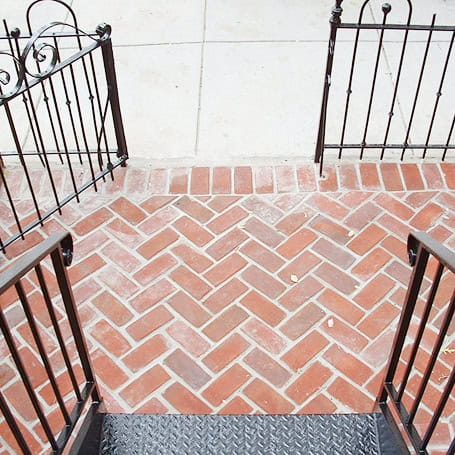
When the design calls for it, walkway layouts can incorporate traditional bond patterns, borders, and masonry details that strengthen the relationship between the path and the house. We also pay close attention to joints, edges, and visual transitions so the completed walkway looks intentional and well integrated rather than simply installed.
For owners who want a broader background on patios, walkways, retaining walls, and related exterior masonry, our brochure provides helpful context on the company’s approach.
Download Our Brochure
Our brochure provides general background on tuckpointing as well as recommended practices for walkway installation projects.
What to Expect From the Process
Evaluate the walkway and surrounding conditions
We inspect the visible condition of the walkway and look closely at settlement, drainage patterns, edge conditions, root pressure, and how the path relates to adjacent masonry and landscape features.
Recommend the appropriate scope of work
After the evaluation, we provide a written proposal that explains the recommended approach, whether the project calls for selective repair, a more comprehensive rebuild, or new walkway construction.
Prepare and protect the site
Before work begins, the surrounding property is carefully protected. Where the project requires coordination, demolition, excavation, or permits, those steps are addressed as part of the planning process.
Rebuild the base or correct underlying conditions as needed
When a walkway has failed because of settling, poor drainage, or movement below the surface, those conditions should be corrected before the finish material is installed or reset.
Complete meticulous masonry work
We install, restore, or reconstruct the walkway with careful attention to alignment, material compatibility, surface performance, and overall appearance.
Finish details, clean the area, and review the results
At the end of the project, we address finish conditions, review the completed work, and make sure the walkway is clean, coherent, and ready to serve the property well.
A Good Fit for Our Approach
This service is often the right fit for owners who:
Have an older home or historic property in Washington, DC or Old Town Alexandria.
Are seeing uneven paving, water ponding, loose brick or stone, open joints, or trip hazards.
Want a thoughtful repair or rebuild rather than a quick patch.
Care about how the walkway relates to the architecture, entry sequence, and surrounding masonry.
Value clear communication, careful workmanship, and respect for the property throughout the project.
Why Homeowners Choose Renaissance Development
Renaissance Development specializes in exterior masonry and historic preservation. Founded in 2004 by Dr. Christina K. Wilson, who holds a doctorate in architectural history from the University of Virginia and teaches at The Catholic University of America, the company’s work is shaped by a consistent set of priorities:
Preservation-Minded Approach
We start by respecting the original character of each structure, prioritizing preservation over replacement. This ensures older buildings maintain their historical and aesthetic value. Every choice reflects sensitivity to the property’s context and its relationship with nearby homes, leading to authentic and lasting outcomes.
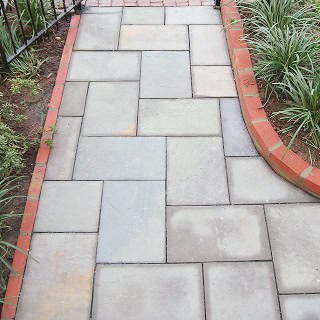
Careful Attention to Detail
We focus on precision at every stage, from choosing compatible materials to executing details that enhance both performance and appearance. Each element is considered in relation to the whole, ensuring cohesion and durability, which minimizes future issues and showcases our commitment to craftsmanship.
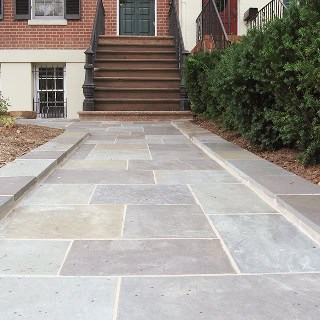
Thorough Execution, Not Superficial Repair
Our approach addresses the root causes of masonry deterioration rather than just surface fixes. With extensive knowledge in exterior masonry applications like walkways and historic brick restoration, we provide long-term solutions that ensure structural integrity and longevity.
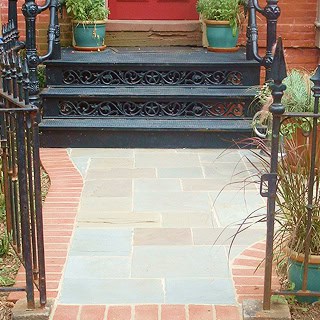
Professionalism From Start to Finish
From evaluation to completion, we maintain clear communication to keep clients informed. Our experienced teams respect the property and follow organized work practices that minimize disruption, resulting in a professional process that upholds high standards.
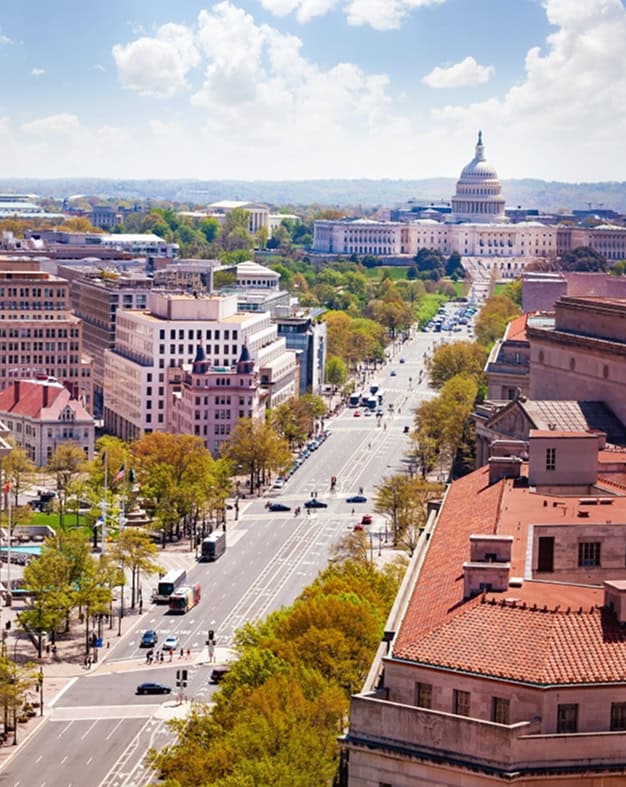
Serving Washington, DC and Old Town Alexandria
Contact Renaissance Development for a free estimate and learn how appropriate masonry restoration can protect your brick home.
The Renaissance Difference, In Our Clients’ Words
Frequently Asked Questions
Do you repair existing walkways, or do you only build new ones?
We do both. Some walkways can be improved through targeted repair and resetting, while others are better served by a more comprehensive reconstruction. The right recommendation depends on the condition of the surface and what is happening below it.
What materials do you use for walkway projects?
Depending on the property and project, Renaissance Development works with brick, stone, and concrete. Material selection should reflect both the practical needs of the site and the character of the house.
Can you match the look of an older home?
Yes. On historic properties, walkway work should feel visually appropriate to the architecture rather than disconnected from it. Material choice, layout, borders, and transitions all play a role in that outcome.
What causes a walkway to sink or become uneven?
Common causes include settlement, inadequate base preparation, root intrusion, erosion, drainage problems, and long-term movement. That is why a lasting repair often requires more than surface patching.
Do tree roots cause walkway damage?
They can. Root growth may lift paving, push units out of alignment, and create recurring instability. In those situations, the surrounding site conditions need to be considered as part of the repair strategy.
How do you address drainage and water ponding?
We look at slope, grading, and how water moves across the site. A successful walkway should help direct water appropriately rather than trap it or send it toward the building.
Can you repair only part of a walkway?
In some cases, yes. Localized repair may be appropriate when the problem is limited and the surrounding sections remain stable. Where the overall walkway is failing, a more complete rebuild may provide the better long-term result.
Do you also work on adjacent steps, stoops, or retaining edges?
Yes. Walkways often connect directly to other masonry features, and those transitions matter. When needed, the scope of work can address adjacent elements so the final result feels cohesive and performs properly.
Do walkway projects require permits?
Some do, depending on the nature of the work and the property. When permits are required, that is addressed during the planning process.
How long does a walkway project usually take?
Timing depends on the size of the walkway, the level of deterioration, access conditions, and whether the work involves repair, reconstruction, or entirely new construction. A more specific timeline can be provided after the site is evaluated.
Do you provide free estimates?
Yes. We provide free estimates and are glad to discuss what you are seeing, what may be causing it, and what the appropriate next step may be.
Restoration • Rejuvenation • Rebirth
Exterior Masonry & Historic Preservation Specialists
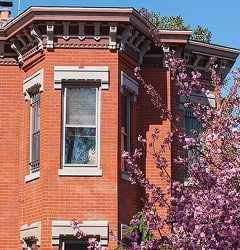
Renaissance Development is Washington, DC’s premiere company providing tuckpointing and brick façade restoration. In addition, we build patios, walkways, steps, and retaining walls, elements essential to urban gardens.
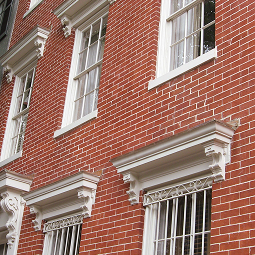
Tuckpointing
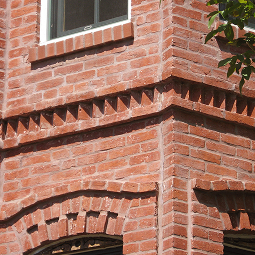
Masonry Restoration
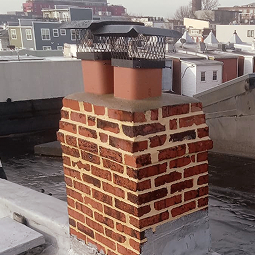
Chimney Repair
Patios
Walkways
Retaining Walls


