
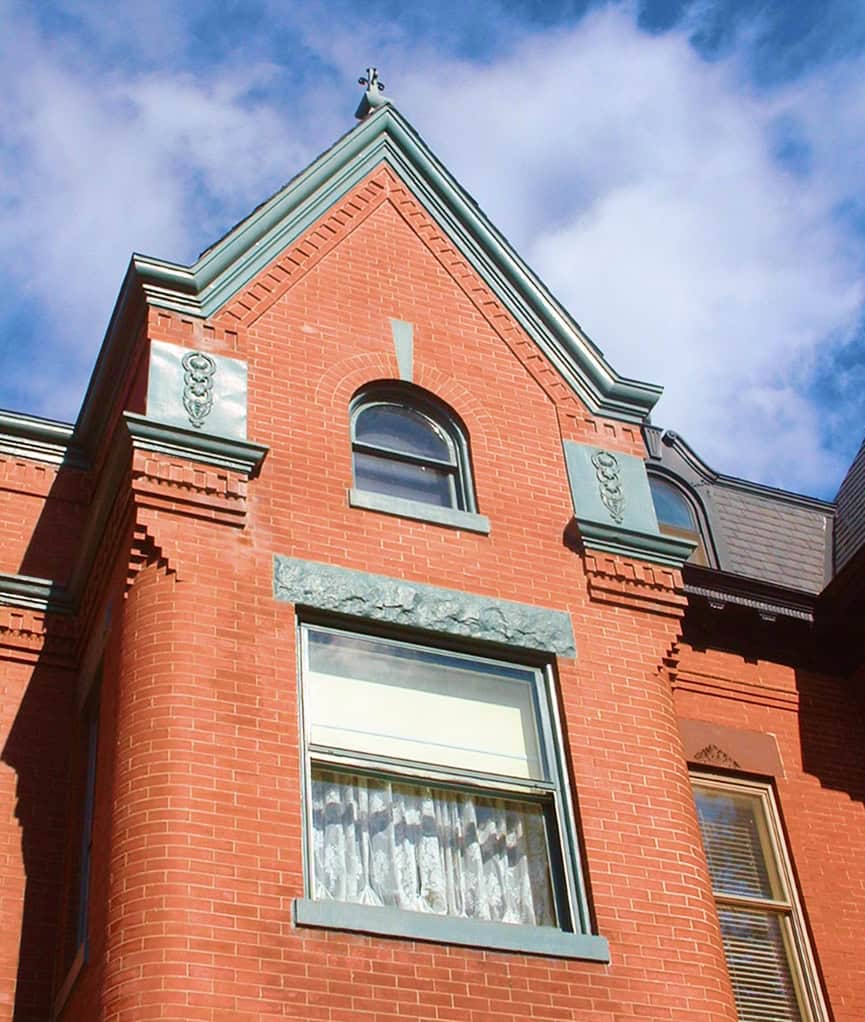
Historic Masonry Specialists
Tuckpointing
& Mortar Repair for Historic Brick Buildings
in Washington, DC
Protect your building from moisture intrusion, failing mortar joints, and long-term structural deterioration. Renaissance Development restores historic masonry with a careful, preservation-minded approach designed for older brick buildings in Washington, DC.


Trusted by Owners of Historic Properties
Historic Masonry Specialists
Tuckpointing & Mortar Repair for Historic Brick Buildings in Washington, DC
Careful, Preservation-Minded Approach
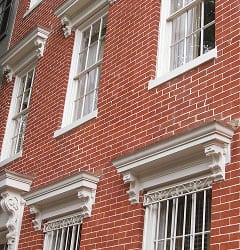
Tuckpointing, also called repointing, is not simply a cosmetic repair. When mortar joints begin to crack, crumble, or recede from the face of the brick, moisture can enter the wall and create larger structural problems over time. Renaissance Development restores historic masonry with a careful, preservation-minded approach designed to protect both the appearance and durability of older brick buildings.
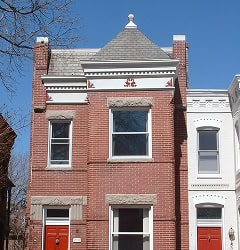
We work on rowhouses, apartment buildings, chimneys, and commercial structures throughout Washington, DC, including many of its historic neighborhoods, as well as Old Town Alexandria.
Failing Mortar Is More Than a Surface Problem
Many owners first notice masonry issues as staining, loose bricks, or worn joints around windows, doors, or rooflines. In older brick buildings, those visible symptoms usually point to a broader wall condition. Once mortar begins to fail, water can move into the masonry and eventually into the building’s interior.
This is why timely mortar repair matters. Replacing deteriorated mortar with the appropriate material, correcting failed joints, and addressing related brick damage helps stabilize the wall, reduce moisture intrusion, and extend the life of the building.
What Tuckpointing Means on a Historic Building
Tuckpointing, or repointing, is the process of removing deteriorated mortar from the joints between bricks and replacing it with new mortar that is appropriate for the building. When done correctly, it restores the integrity of the masonry while preserving the character of the original brickwork.
Older brick structures in Washington, DC were built differently from newer buildings. Many were constructed with load-bearing brick walls and lime-based mortar rather than the harder materials used in later construction. That is why historic buildings require a specific restoration strategy. The new mortar needs to work with the original wall, not against it.
For owners who want a more detailed explanation of materials and best practices, our tuckpointing brochure provides useful background on how proper masonry restoration is approached on historic buildings.
Stop Mortar Deterioration Before It Damages Your Historic Brick Facade
- Historic masonry specialists
- Lime mortar restoration specialists
- Serving DC since 2004


Request a Free Estimate!
Tell us what you are seeing.
Describe the mortar or brick issue and our team will follow up about your property and next steps.
Masonry Services
Our Tuckpointing &
Brick Repair Services
Whether you call it tuckpointing, repointing, mortar repair, or historic brick restoration, Renaissance Development provides guaranteed protection for older brick buildings by utilizing appropriate methods, materials, in addition to superior workmanship.

Tuckpointing
Complete mortar joint restoration for historic brick façades, row houses, and other older masonry structures in Washington, DC.
- Brick tuckpointing
- House tuckpointing
- Tuckpointing contractor in Washington, DC

Repointing
For homeowners searching for repointing services, Renaissance Development carefully removes deteriorating mortar and restores the joints with compatible mortar appropriate for historic structures.
- Brick repointing
- Masonry repointing
- Repointing brick walls and houses

Mortar Repair
When mortar joints are cracking or crumbling, mortar restoration will help stop water intrusion and protect the integrity of the historic brick wall.
- Mortar joint repair
- Brick mortar replacement
- Repair damaged brick joints
- Lime mortar repointing
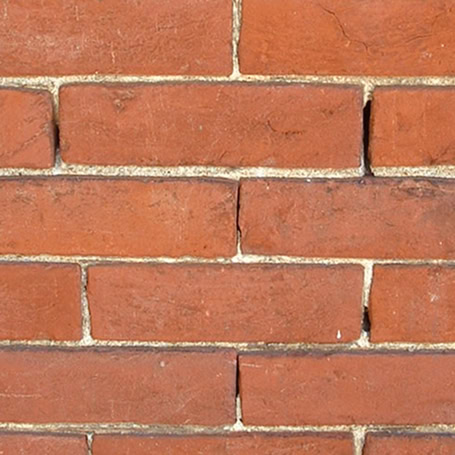
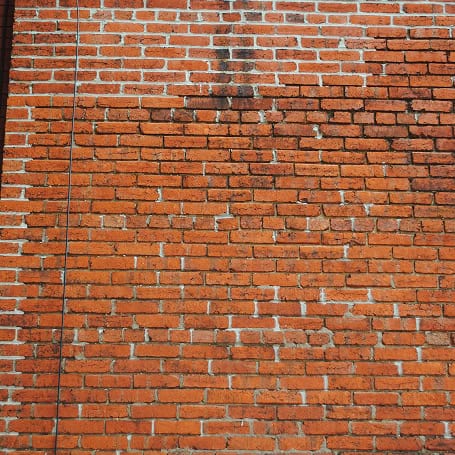
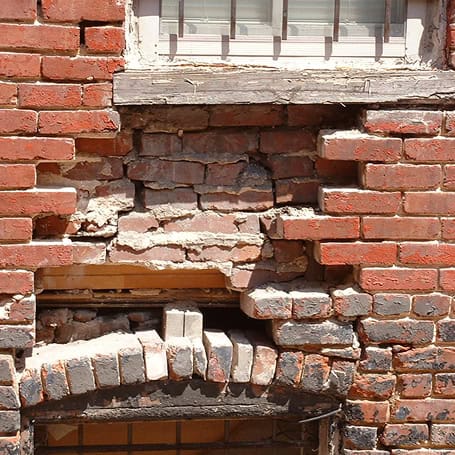
Common Signs a Building May Need Tuckpointing
- Crumbling, missing, or recessed mortar joints
- Cracks in mortar near windows, doors, or rooflines
- Loose, shifting, or deteriorating bricks
- White staining, dark streaks, or damp interior walls
- Spalling, flaking, or broken brick faces
- Older cement patches that do not match the adjacent joints or appear to be failing
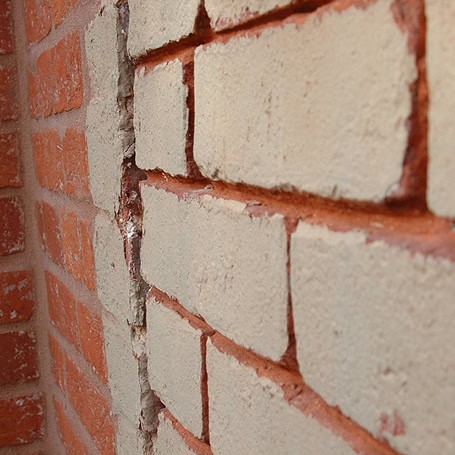
Why the Right Tuckpointing Approach Matters
Historic masonry is not well served by superficial cosmetic patching. A repair may look acceptable for a short time but will ultimately fail to address the actual condition of the wall.
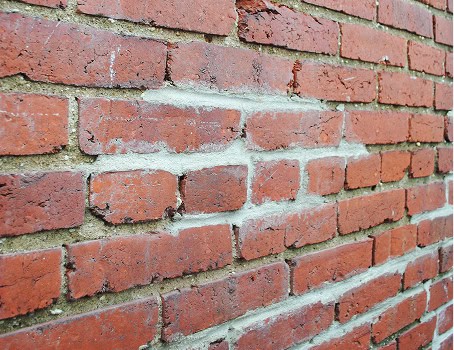
Cement repairs can damage older brick
Historic buildings were originally constructed with lime-based mortar. When modern cement is used for repairs, it can create even more damage. This type of repair will not perform the same way as the original materials, which can contribute to cracking, trapped moisture, and further damage to the historic brick.
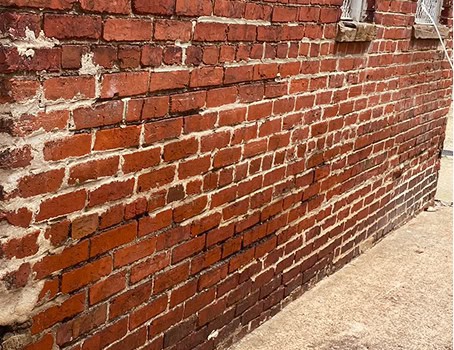
Spot repairs do not solve the larger problem
Spot repairs do not solve the larger problem
Mortar failure that is visible at eye level is generally only part of the story. Water does not limit itself to the small area where damage is easiest to see. On older buildings, walls need to be evaluated in their entirety so the actual source and extent of deterioration can be addressed properly.
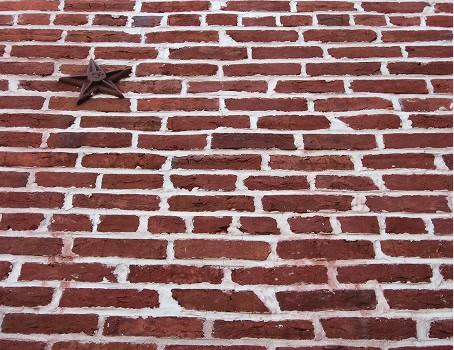
Good tuckpointing depends on both historic knowledge and expert execution
Proper masonry restoration is not just about refilling joints. It requires an understanding of how historic walls were built, how moisture moves through them, and how the correct replacement materials should be used. It also requires careful craftsmanship from start to finish.
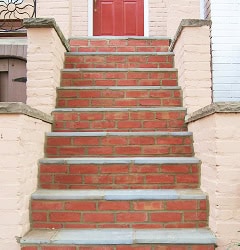
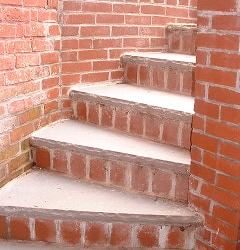
Mr. Nelson Amador and his crew, especially Jaime provided AWESOME service in the professional and careful repair of the original brick exterior stairs of our 1913 rowhouse. Their work resulted in a very clean, consistent, and aesthetic finish. We have always used Renaissance to maintain the brickwork inside and outside of our home. The entire Renaissance team, from the Monique in the office through estimates and contracts with David, and final customer service meeting with Antonio, is exceptional!
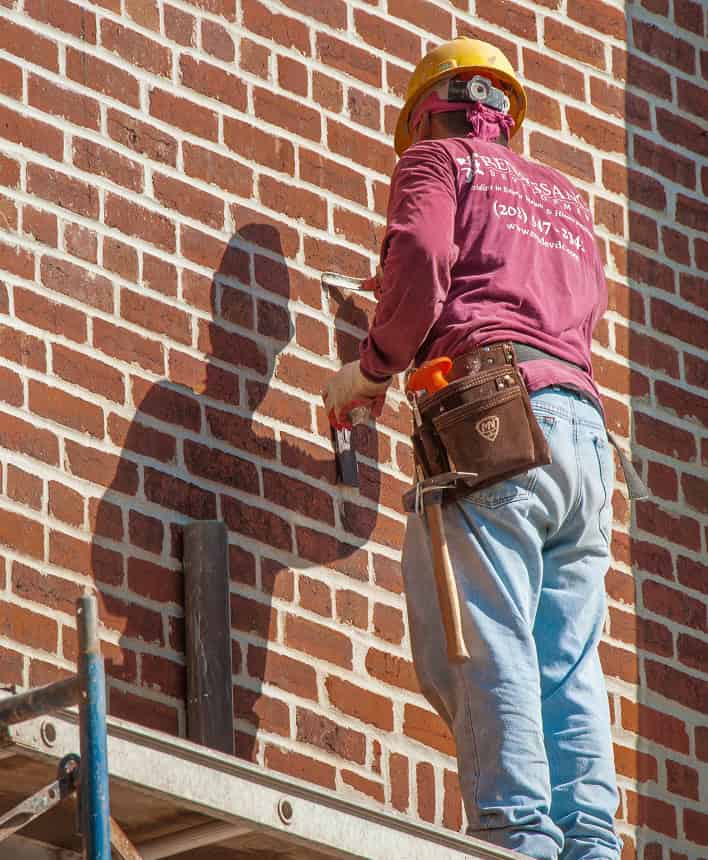
Our Approach to Tuckpointing Historic Masonry
Renaissance Development approaches tuckpointing as a preservation project, not a patch job. Our goal is to restore the wall in a way that is appropriate to the building and durable over time.
A typical project includes:
- Careful evaluation of the masonry included in the scope of work
- Removal of deteriorated mortar and incompatible prior repairs
- Repair or replacement of damaged bricks as needed
- Installation of mortar compatible with historic buildings
- Proper joint finishing to improve both performance and appearance
- Thorough cleaning of restored masonry at the end of the project
- Final review with the client once work is complete
When the building and scope require it, we use scaffolding so the masonry can be accessed safely and restored correctly. We also obtain permits when required and protect adjacent areas before work begins.
Where Tuckpointing Is Commonly Needed
In many cases, tuckpointing is part of a broader restoration scope that may also include chimney repair, brick replacement, or correction of moisture-related wall damage.
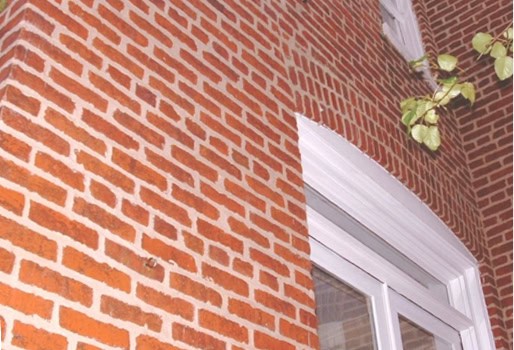
Front, side, and rear brick façades
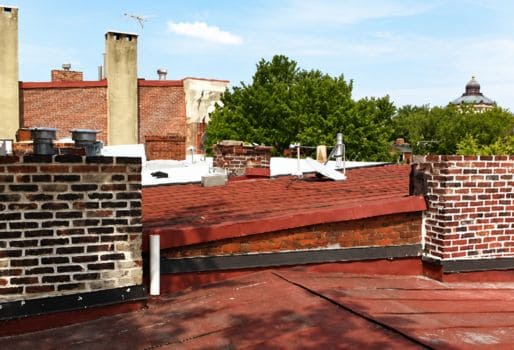
Chimneys
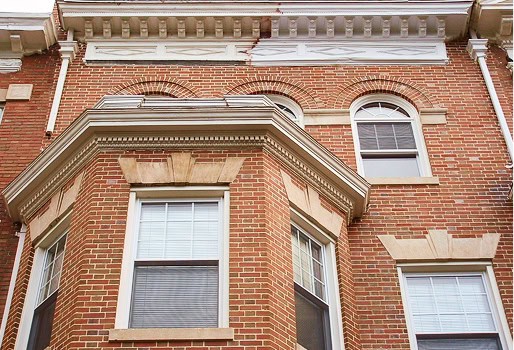
Walls around windows and doors
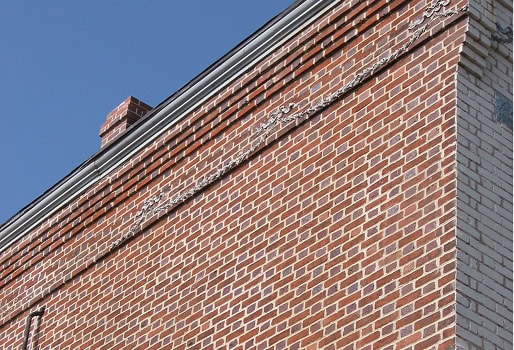
Brickwork adjacent to rooflines
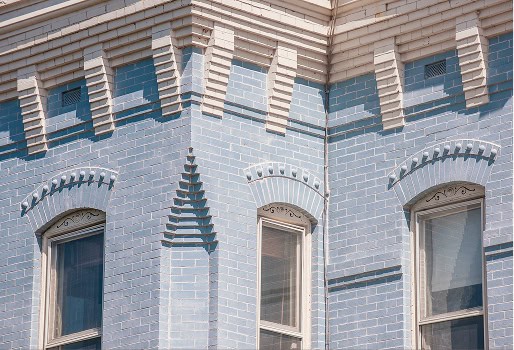
Painted brick façades
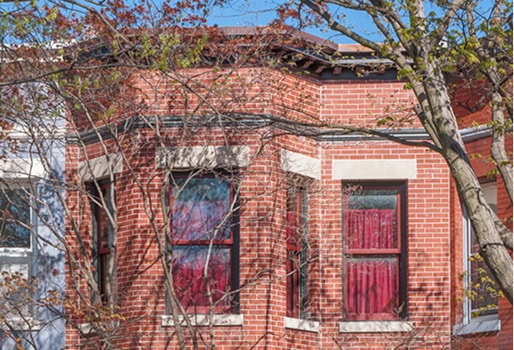
Rowhouses, apartment buildings, and commercial properties constructed with historic masonry
What to Expect From the Process
From initial evaluation project completion, our process is thoughtful, thorough, and tailored to the special needs of your building.
Evaluate the Masonry
We inspect the visible condition of the wall and look closely at how moisture, structural movement, and prior repairs may be affecting the building.
Recommend the appropriate scope of work
After the evaluation, we provide a detailed written proposal outlining the recommended restoration approach.
Prepare the site and obtain permits as needed
Before work begins, we obtain all the required permits. Upon job commencement, we coordinate access, protect the building, surrounding landscaping, and adjacent properties.
Complete meticulous restoration work
Failed mortar is removed, damaged masonry is addressed, and new mortar is installed with careful attention to compatibility, appearance, and long-term performance.
Review the results
At the end of the project, we discuss the completed work with the client to make sure everything has been addressed thoroughly.
Why Homeowners Choose Renaissance Development
Owners of historic brick buildings are not looking for a quick patch. They want a company that understands how older masonry behaves, uses the right materials and methods, and approaches restoration with care. Renaissance Development is chosen for its preservation-minded expertise, skilled craftsmanship, and professional project management, all of which help protect both the appearance and long-term stability of historic buildings.
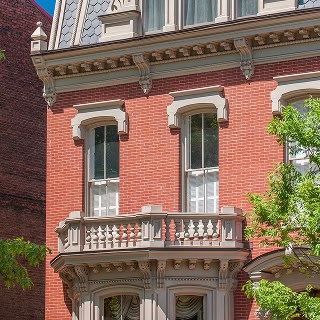
Preservation-Minded Approach
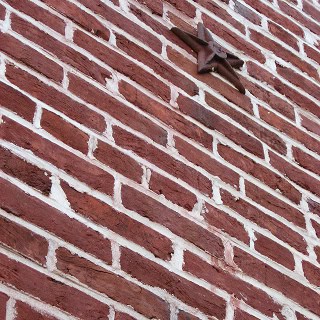
We approach tuckpointing as a preservation project, not a patch job. Older brick buildings require materials and methods that work with the original walls, not against them. That is why we focus on historically appropriate restoration that protects both a building’s appearance and long-term performance.
Careful Attention to Detail
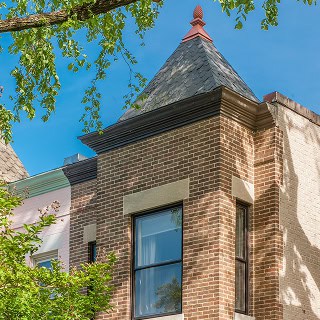
Quality tuckpointing should not look like a minor or haphazard repair. We pay close attention to mortar color, joint profile, and brick compatibility so the finished work supports the character of the building while improving its longevity.
Thorough Execution, Not Superficial Repair
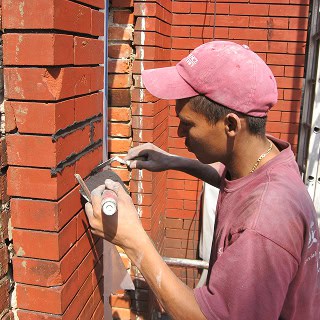
Good masonry restoration begins with understanding the full condition of the wall. We look beyond isolated and readily visible problem areas, evaluate the broader scope of deterioration, and recommend a scope of work that addresses the building properly rather than relying on short-term patching.
Professionalism From Start to Finish
Clients value the way we manage projects as much as the finished product itself. We provide clear communication, respectful work practices, careful treatment of the property, and experienced crews focused on quality craftsmanship throughout the course of the job.

Serving Washington, DC and Old Town Alexandria
Contact Renaissance Development for a free estimate and learn how proper masonry restoration can protect your brick home.
Download Our Brochure
Our brochure provides general background on tuckpointing as well as recommended practices for masonry restoration projects.
The Renaissance Difference, In Our Clients’ Words
Frequently Asked Questions
Common Questions
About Tuckpointing & Brick Repair
What is the difference between tuckpointing and repointing?
These terms are used interchangeably. Both refer to removing deteriorated mortar from brick joints and replacing it with new mortar so the wall can be properly restored.
Can failing mortar cause a brick wall to leak?
Yes. Open or deteriorated joints allow water to enter walls. When owners see damp interior walls, staining, or recurring moisture problems, the source is often failing masonry that needs to be addressed.
Why do older brick buildings require a special approach?
Historic buildings were constructed with load-bearing structural brick walls and soft, lime-based mortar. These walls behave differently from newer masonry systems, so repairs need to be compatible with the original materials rather than based on modern construction methods.
Do painted brick façades need tuckpointing?
Yes. Paint can hide failing joints, but it does not stop mortar deterioration. In some cases, it can also trap moisture in the wall. Painted brick still needs to be evaluated and repaired appropriately.
Do you repair chimneys?
Yes. Chimney deterioration is one of the most common reasons owners contact us. Missing mortar and loose bricks on chimneys are strong signs that restoration work is needed.
How long do tuckpointing projects usually take?
Project duration depends on the size of the building, the number of walls included, access conditions, and the extent of deterioration. Many projects on older buildings are completed in roughly one to two weeks, though larger or more complex scopes may take longer.
Do you provide free estimates?
Yes. We provide free estimates and are glad to answer questions about the condition of your building and the appropriate next step.
Schedule a Free Inspection
If your building is showing signs of failing mortar, loose bricks, or moisture intrusion, Renaissance Development can evaluate the masonry and recommend the appropriate scope of work.
We serve homeowners and commercial clients throughout Washington, DC and Old Town Alexandria, with a strong focus on historic brick buildings.
More questions? Schedule a free inspection now.
Restoration • Rejuvenation • Rebirth
Exterior Masonry & Historic Preservation Specialists
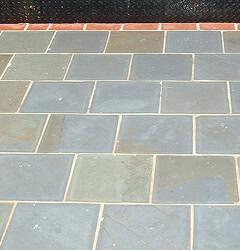
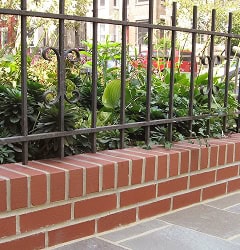
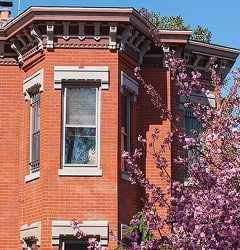
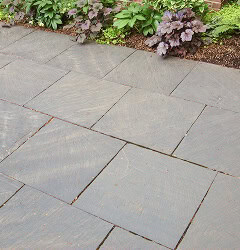
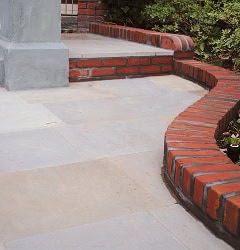
Renaissance Development is Washington, DC’s premiere company providing tuckpointing and brick façade restoration. In addition, we build patios, walkways, steps, and retaining walls, elements essential to urban gardens.
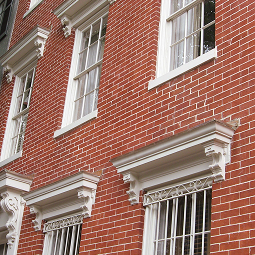
Tuckpointing
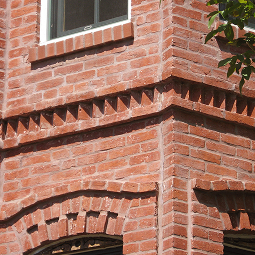
Masonry Restoration
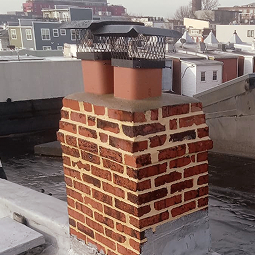
Chimney Repair
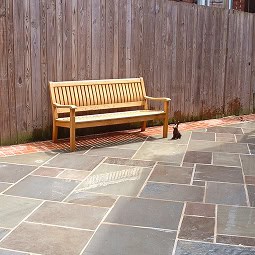
Patios
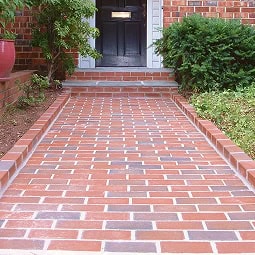
Walkways
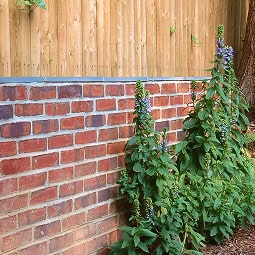
Retaining Walls


