
Historic Masonry Specialists
Chimney Repair & Chimney Tuckpointing in Washington, DC
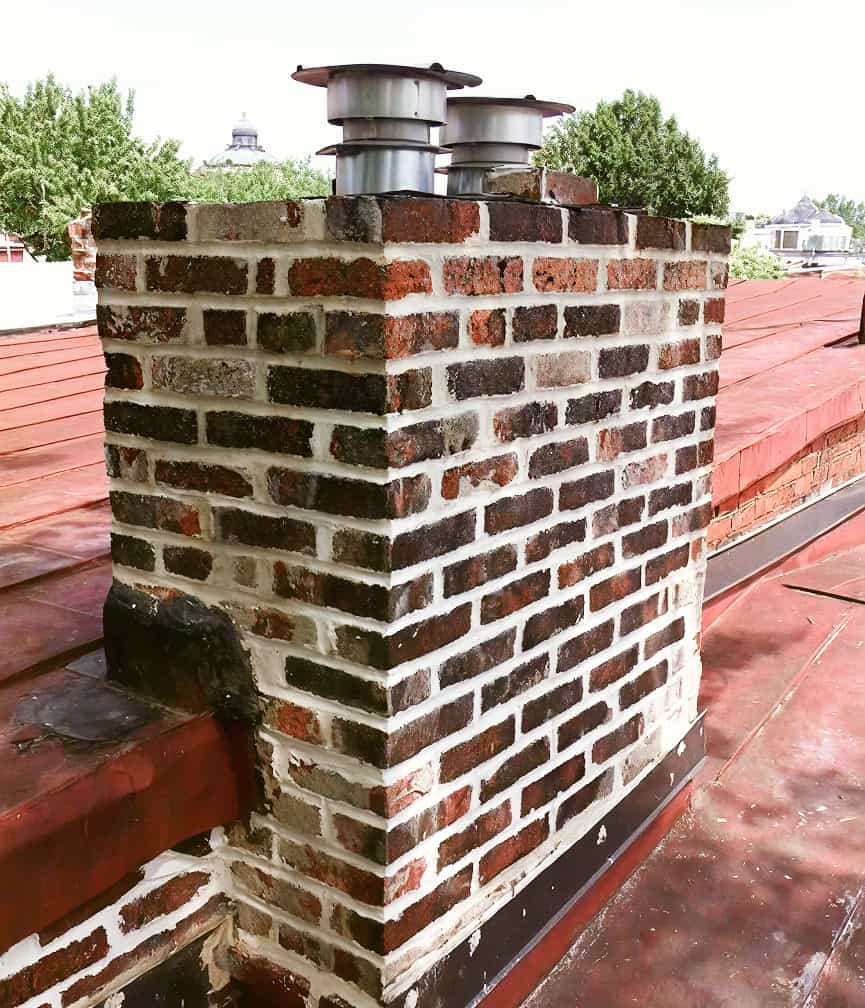
A chimney is one of the most exposed parts of a brick building. Precipitation, wind, and freeze-thaw cycles erode mortar joints and weaken the masonry. Moisture will eventually enter the chimney, leading to leaks and damaged bricks. If this continues, it will cause extensive structural damage. Renaissance Development repairs and restores historic brick chimneys with a careful, preservation-minded approach.


Trusted by Owners of Historic Properties
Historic Masonry Specialists
Chimney Repair & Tuckpointing with
Renaissance Development
What Can Go Wrong With Your Chimney?
The chimney is one of the most vulnerable parts of a brick building. Over time, chimneys endure the impact of wind, rain, snow, heat, and freeze-thaw cycles, which can erode mortar joints and compromise the integrity of the masonry. If this deterioration is overlooked, moisture may infiltrate the chimney, resulting in leaks, damaged bricks, and potentially severe structural problems. To prevent water damage, loose masonry, and more significant issues, it is crucial to protect your chimney. Addressing failing mortar, cracking joints, and deteriorating bricks, along with any improper existing repairs, is essential for the upkeep of older buildings in general, and chimneys in particular.
Why Chimney Repair Matters
Chimney problems first appear to be cosmetic: mortar joints that look recessed, bricks that appear loose, or white staining on the masonry. These visible symptoms indicate a much larger problem. Once mortar begins to fail, water can penetrate the chimney system and eventually damage the masonry as a whole.
This is why chimney repair should never be approached as a superficial patching job. Proper chimney tuckpointing restores deteriorating mortar with historically appropriate material, strengthens the masonry assembly, and helps prevent further moisture intrusion. For older Washington, DC houses, this kind of careful restoration is essential.
What Is Chimney Tuckpointing?
Chimney tuckpointing, also called repointing, is the process of removing deteriorating mortar from between the bricks and replacing it with historically appropriate mortar. When done properly, chimney tuckpointing restores stability, improves weather resistance, and protects the long-term structural integrity of the chimney.
In many cases, chimney repair also includes replacing damaged bricks and correcting previous repairs completed with inappropriate materials. The objective is not merely to improve appearance. It is to restore the chimney in a way that is structurally sound, visually appropriate, and consistent with the overall needs of an older brick building.
Stop Chimney Deterioration Before It Damages Your Brick Building
- Rowhouse masonry specialists
- Lime mortar restoration specialists
- Serving DC since 2004


Request a Free Estimate!
Tell us what you are seeing.
Describe the mortar or brick issue and our team will follow up about your property and next steps.
Common Warning Signs of Chimney Deterioration
Crumbling, missing, or recessed mortar joints
Open mortar joints are one of the clearest signs that chimney tuckpointing is required.
Cracks in mortar joints
Cracking mortar joints, particularly along the roofline, can signal more extensive structural issues.
Loose, shifting, or deteriorating bricks
When pronounced spaces appear between the bricks, this is a clear indication that the mortar is no longer performing as it should.
White staining, dark streaks, or persistent discoloration
These are common signs that moisture is penetrating the masonry.
Spalling, flaking, or broken brick faces
When brick surfaces begin to fail, water penetration is often already occurring.
Interior dampness or staining near the fireplace or chimney wall
Visible moisture inside a building can be related to failed masonry joints on the exterior, particularly with chimneys.
Haphazard cement patches or obviously haphazard repairs
Older chimneys are often harmed by hard, inappropriate repair materials that are not compatible with historic masonry.
Visible leaning or obvious shifting of the chimney walls
A chimney that appears unstable should be evaluated promptly.
If you notice any of these conditions, it is wise to have the chimney inspected before the damage becomes more extensive.
Masonry Services
Our Chimney Repair & Tuckpointing Services
Whether it is called chimney repair, tuckpointing, repointing, or mortar joint restoration, Renaissance Development repairs and restores brick chimneys with a careful, preservation-minded approach. We use historically appropriate methods and materials to help protect older masonry from water intrusion and structural problems.

Chimney Tuckpointing
When mortar joints begin to crack, recede, or crumble, tuckpointing helps restore the masonry and protect it from further deterioration.
- Chimney tuckpointing
- Brick chimney tuckpointing
- Historic chimney mortar restoration
- Tuckpointing for historic chimneys in Washington, DC

Chimney Repointing
For homeowners searching for chimney repointing services, Renaissance Development removes deteriorated mortar and replaces it with mortar appropriate for historic brick chimneys.
- Chimney repointing
- Repointing chimney bricks
- Masonry joint restoration for chimneys
- Historic chimney repointing

Chimney Mortar Repair
Failing mortar joints allow water to enter the chimney, which can lead to loose bricks, staining, and structural damage. Mortar repair helps protect the chimney and prevents more extensive structural failure.
- Chimney mortar repair
- Repair cracked chimney joints
- Replace missing chimney mortar
- Chimney masonry joint repair

Historic Chimney Masonry Restoration
Older chimneys require more than a superficial repair. Renaissance Development restores historic chimney masonry with methods that respect original materials, structural integrity, and the character of historic Washington, DC homes.
- Historic chimney repair
- Chimney brick repair
- Chimney restoration for older homes
- Chimney tuckpointing for historic properties

The professionalism of Renaissance Development is second to none. If you're looking for an honest contractor for your project, look no further!
Mike Civetti
Why Older Chimneys Require a Specialized Approach
Historic houses were constructed differently from more modern buildings. Older Washington, DC homes were built with load-bearing brick walls and chimneys made of coal-fired bricks assembled with lime-based mortar. These materials behave very differently from contemporary masonry products.
Because of this, older chimneys require a specialized and careful restoration strategy. Inappropriate mortar or inadequate repair methods can create new problems while also aggravating existing conditions. A repair that may look acceptable at first can fail to address the underlying issues common in deteriorating masonry and, in some cases, can accelerate damage. Sound chimney repair is not just about filling joints It is about understanding how historic masonry was constructed, how moisture enters the wall system, and how new repair materials interact with original brick and mortar.
Modern cement repairs are especially problematic for historic chimneys. Cement is harder and far denser than traditional lime mortar and is harmful to older brick. It traps moisture, contributes to cracking, and leaves the chimney in worse condition than before the repair was executed. Isolated patching is only a temporary stopgap and will not solve larger problems. A chimney needs a careful and holistic restoration effort rather than scattered spot repairs if it is to be stabilized properly.
Our Chimney Repair Process
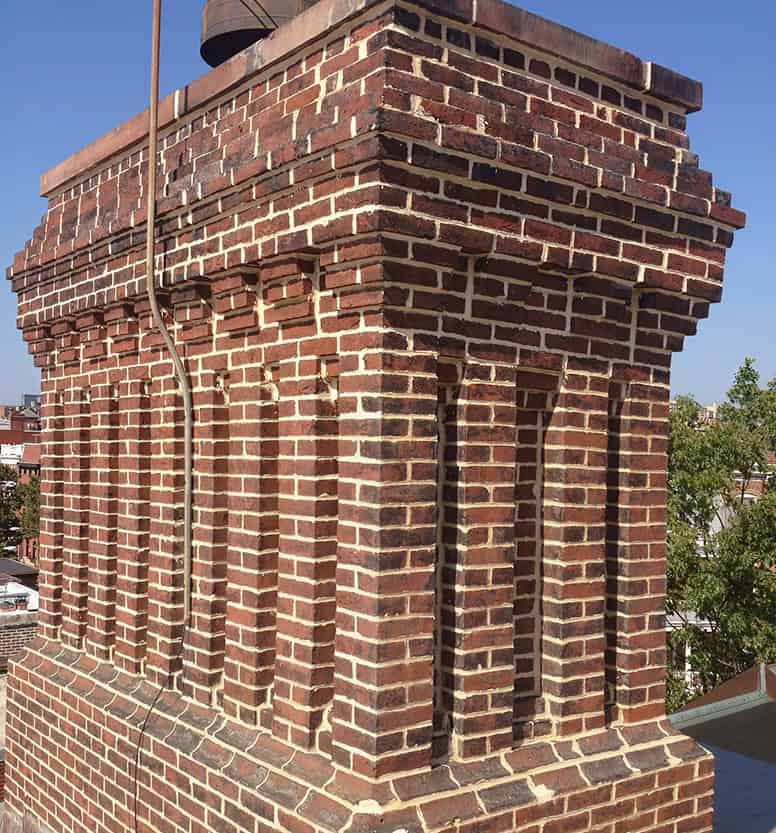
Proper chimney repair requires safe access and careful preparation. In most cases, scaffolding is required because it allows workmen to access the work area safely and securely.
Evaluate the chimney
We inspect masonry carefully to understand the condition of the mortar joints, brick surfaces, and areas affected by moisture penetration and potential structural failure.
Recommend the appropriate scope of work
After a careful evaluation, we provide a detailed written proposal that explains the recommended restoration strategy.
Obtain permits where required
For many masonry restoration projects, obtaining the proper permits is an essential part of the process.
Prepare and protect
Before work begins, we take care to protect the building and surrounding areas. This also includes working carefully to protect adjacent buildings.
Complete comprehensive masonry restoration
We remove deteriorated mortar to the proper depth, replace damaged bricks as needed, install historically appropriate new mortar, and execute the work with careful attention to detail and superb craftsmanship.
Review the results
At the conclusion of the project, we conduct a thorough review to ensure the work has been completed properly and that all concerns have been addressed.
What Professional Chimney
Repair May Include
Every chimney is different. Some require straightforward mortar restoration, while others need a broader restoration strategy. The correct scope of work should always be based on close evaluation, not guesswork.
Depending on the condition of the chimney, the scope of work may include:
- Comprehensive chimney tuckpointing
- Removal of inappropriate prior repairs
- Replacement of damaged or spalling bricks
- Repair of loose or visibly failing masonry elements
- Matching mortar color and joint profile for the most appropriate finished appearance
- Careful cleaning of the restored masonry after work is complete
Why Homeowners Choose Renaissance Development
For homeowners who value both aesthetic appearance and structural longevity, we provide thoughtful, preservation-minded masonry restoration. Our work reflects a deep understanding of historic materials and a commitment to produce the best quality work for every client we serve.
More than just appearance
Owners who care about both appearance and long-term stability deserve far more than haphazard repairs. They need an experienced company that understands historic masonry and delivers work with care. References are available upon request.
Proven track record
Renaissance Development has completed hundreds of projects throughout Washington, DC and Old Town Alexandria during the past two decades. Our work is well known for thoughtful restoration, careful craftsmanship, and respect for the overall character of historic buildings.
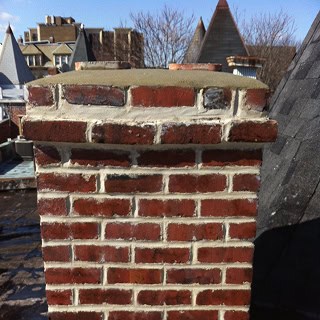
Quality masonry restoration
We are preservation-minded in both approach and execution. Quality masonry restoration should not look like an obvious patch that is incompatible with the original brickwork. We pay close attention to details such as mortar composition, mortar color, joint profiles, and the overall appearance of the finished masonry.
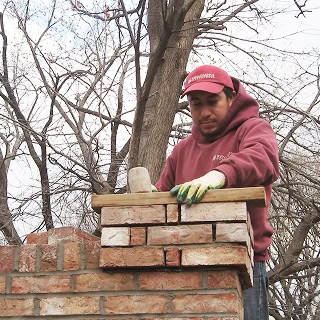
Professionalism
Clients value the professionalism we bring to every project from start to finish. We provide clear communication, careful treatment of the property, and respectful work practices throughout the course of every job.

Led by an Expert in Historic Preservation
Renaissance Development was founded in 2004 by Dr. Christina K. Wilson. She holds a doctorate in architectural history from the University of Virginia and teaches architectural history and theory at The Catholic University of America in Washington, DC.
Dr. Wilson’s combination of academic knowledge and hands-on field experience gives Renaissance Development unparalleled expertise in historic masonry restoration. This means that chimney restoration work is guided not only by academic experience, but by a true hands-on understanding of historic buildings, traditional materials, and appropriate preservation practices.
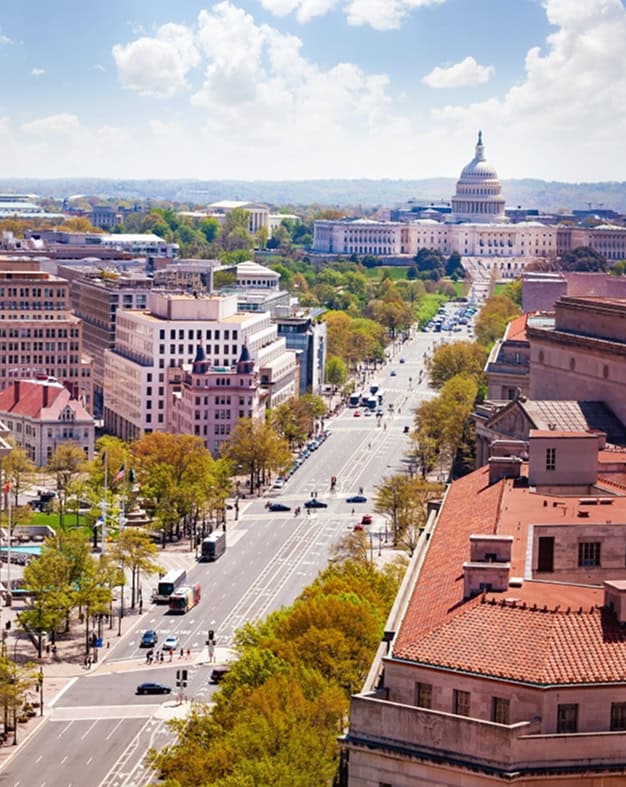
Serving Washington, DC and Old Town Alexandria
Contact Renaissance Development for a free estimate and learn how appropriate masonry restoration can protect your brick home.
The Renaissance Difference, In Our Clients’ Words
Download Our Brochure
Our brochure provides general background on tuckpointing as well as recommended practices for historic masonry restoration projects. Renaissance Development is proud to be a trusted educational resource as well as a masonry restoration company.
Frequently Asked Questions
Common Questions About Chimney Repair
What is chimney tuckpointing?
Chimney tuckpointing, or repointing, is the restoration of masonry joints by removing deteriorating mortar and replacing it with historically appropriate mortar. When completed properly, this effort helps restore structural integrity, prevents water intrusion, and extends the life of the chimney.
How do I know if my chimney needs repair?
Common signs include cracked or missing mortar, loose or spalling bricks, white staining, and moisture appearing inside the chimney. If the masonry looks worn, recessed, or uneven, it should be evaluated by a skilled masonry professional.
Can failing chimney mortar cause leaks?
Yes. Deteriorating mortar joints allow water to enter the chimney and surrounding masonry. This condition must be carefully addressed to prevent further moisture penetration problems.
Why do historic chimneys require a special approach?
Older chimneys were built with soft, coal-fired bricks assembled with traditional lime-based mortar. Using the wrong materials can damage the masonry rather than protect it. Historic chimneys require methods and materials appropriate to their original construction.
Does chimney repair involve the entire chimney?
Yes. While every condition must be evaluated individually, chimney repair generally requires comprehensive tuckpointing rather than intermittent patches. A comprehensive approach is almost always the best way to address the variety of issues inherent with aging brick chimneys.
Do you provide free estimates?
Yes. Estimates are provided free of charge. We are also happy to answer any general questions you might have about your historic home.
How long does chimney tuckpointing take?
The timeline depends on the size of the chimney, the extent of deterioration, access conditions, and whether damaged bricks must be replaced. After inspection, we will provide a specific project timeline as part of the proposal.
Do you provide references?
Yes. Renaissance Development has completed hundreds of projects during the past two decades, and we are happy to provide references.
Schedule Your Free Chimney Inspection
Do not wait for failing mortar to cause more extensive structural damage. If your chimney appears to show signs of failing mortar, loose bricks, or haphazard repairs, Renaissance Development can help.
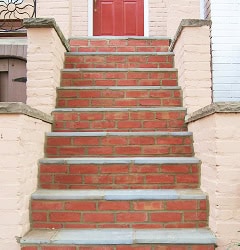
Restoration • Rejuvenation • Rebirth
Exterior Masonry & Historic Preservation Specialists
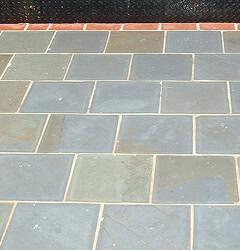
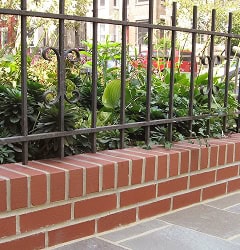
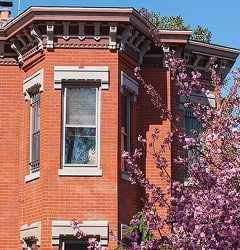
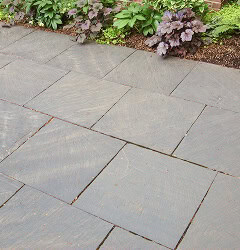
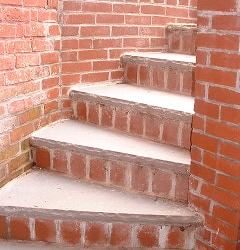
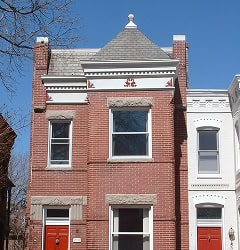
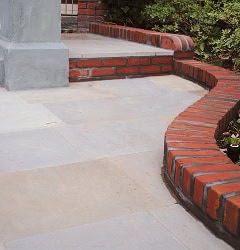
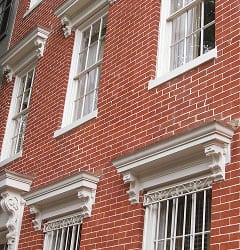
Renaissance Development is Washington, DC’s premiere company providing tuckpointing and brick façade restoration. In addition, we build patios, walkways, steps, and retaining walls, elements essential to urban gardens.
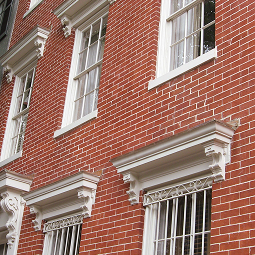
Tuckpointing
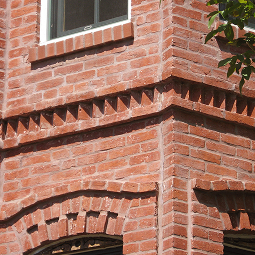
Masonry Restoration
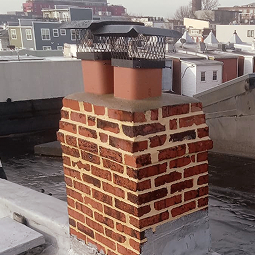
Chimney Repair
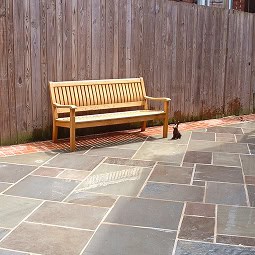
Patios
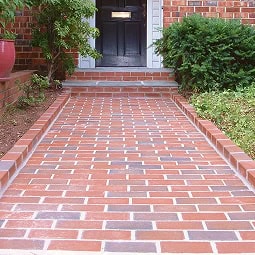
Walkways
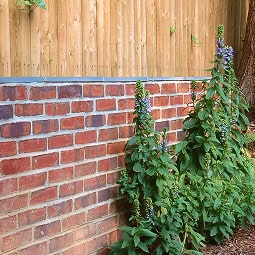
Retaining Walls


