
Exterior Masonry Specialists
Retaining Walls for Historic Properties in Washington, DC
Stabilize sloped ground, manage drainage, and restore unsafe or failing walls with a careful, preservation-minded masonry approach. Renaissance Development repairs, rebuilds, and restores retaining walls in Washington, DC for properties where performance, appearance, and compatibility with older masonry all matter. We work with homeowners and property managers throughout Washington, DC and Old Town Alexandria, with a strong focus on older properties and exterior masonry that must be both durable and visually compatible.


Trusted by Owners of Historic Properties
Failing Retaining Walls Are More Than a Surface Problem
Many owners first notice a retaining wall issue as a cosmetic concern: a crack, a slight lean, staining, or a section that no longer looks straight. In reality, those visible signs often point to a larger performance problem involving water pressure, soil movement, failed joints, settlement, erosion, or deterioration within the wall itself.
This is why timely retaining wall repair matters. A wall that is beginning to move or deteriorate rarely improves on its own. Addressing the masonry, drainage, and site conditions together can help protect the wall, reduce further damage, improve safety, and preserve the appearance of the surrounding property.
Common Warning Signs a Retaining Wall May Be Failing:
Leaning, bulging, or bowing
Movement in the face of the wall often indicates that the wall is no longer resisting the pressure behind it properly.
Cracking in masonry joints or through units
Horizontal cracks, step cracks, open joints, and displaced masonry can all signal structural distress.
Separation from steps, walkways, stoops, or adjacent walls
When a wall begins to pull away from connected masonry, it may point to movement below grade or ongoing drainage problems.
Settlement at the base or along the wall line
Uneven support, washout, or deteriorated construction can allow sections of the wall to sink or rotate.
White staining, moisture marks, or efflorescence
These signs often suggest repeated water movement through or behind the wall.
Soil erosion or washout
Missing soil, voids, or loose fill near the wall can indicate that water is carrying material away from the structure.
Standing water or poor drainage after rain
Retaining walls perform best when water does not remain trapped behind them.
Loose coping, displaced caps, or unstable top courses
Deterioration at the top of the wall can allow more water into the system and accelerate failure.
Older patch repairs that are failing or no longer compatible
Quick fixes may hide the problem briefly without correcting the wall’s underlying condition.
Safety concerns around walking areas or gathering spaces
A failing retaining wall can become a hazard for people using adjacent steps, paths, patios, or garden areas.
If your retaining wall is leaning, cracking, separating, or showing signs of drainage-related damage, we can evaluate the masonry and recommend the appropriate next step.
Protect Your Retaining Wall Before It Leads to Structural Damage
- Historic masonry specialists
- Respects original character of the building
- Stop any signs of broader retaining wall deterioration


Request a Free Estimate!
Tell us what you are seeing.
Describe the mortar or brick issue and our team will follow up about your property and next steps.
Retaining Wall Services for Historic Properties
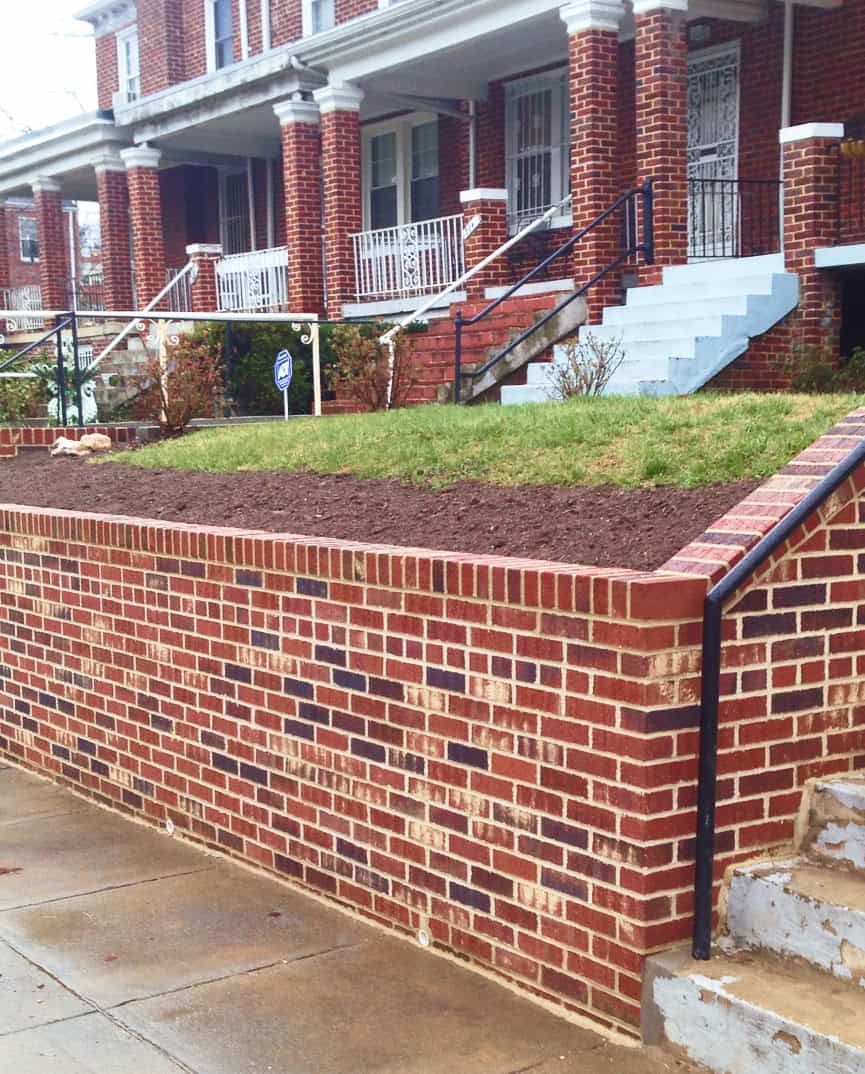
Renaissance Development approaches retaining walls as masonry restoration work, not generic hardscaping. The goal is to restore stability, improve drainage performance, and create a finished result that belongs with the property.
01
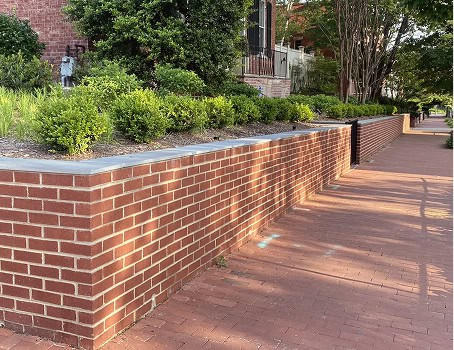
Retaining Wall Repair and Stabilization
Some walls can be repaired when deterioration is identified early, before damage becomes too advanced. Depending on conditions, repairs may include repointing open joints, resetting displaced masonry, rebuilding localized sections, repairing failed caps or coping, improving drainage, and stabilizing areas showing early movement. The work is guided by the overall condition of the wall, not just the most visible crack alone.
02
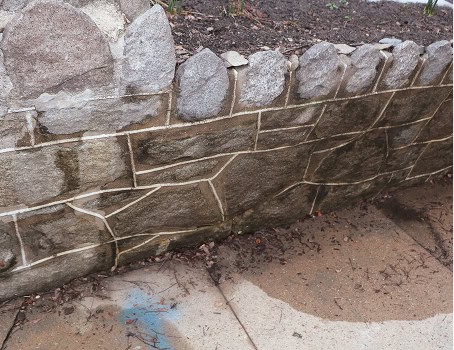
Rebuilding Failed or Unsafe Retaining Walls
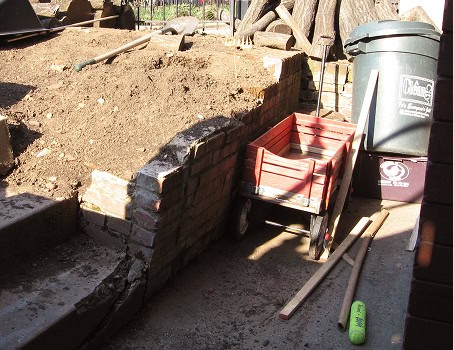
When a wall has significantly leaned, bulged, rotated, or lost integrity, rebuilding may be the more appropriate solution. This approach addresses the full wall system, including base conditions, drainage, and finished masonry. For historic or architecturally sensitive properties, careful attention is given to scale, proportions, and material selection so brick, stone, mortar, jointing, caps, and finishes match the existing work and feel consistent with the building and site.
03
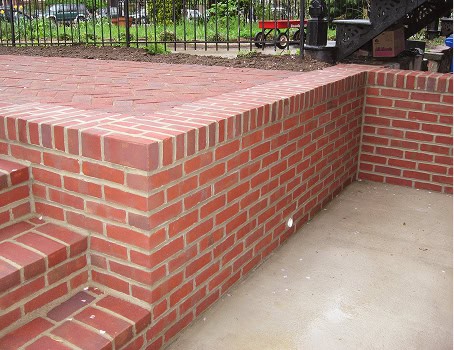
Repointing and Masonry Restoration for Retaining Walls
Brick and stone retaining walls often begin to fail at the joints long before major displacement occurs. Repointing deteriorated mortar with materials appropriate to the masonry can help restore continuity, improve water resistance, and protect the wall from further deterioration, with mortar type, joint profile, and finish details chosen to work with the existing wall rather than against it.
04
Drainage Corrections and Water Management
Water is one of the primary reasons retaining walls fail. Where existing conditions call for it, wall restoration may include correcting the way water moves through and around the wall system using drainage stone, weep openings, outlet points, piping, regrading, or related corrective measures intended to reduce trapped moisture and pressure. The right solution depends on the wall slope, surrounding hardscape, and the path water is currently taking through the site.
05
Grading and Site Coordination
Retaining wall performance is closely tied to grading. If the surrounding ground directs water toward the wall, or if the wall was not built to work with the slope it supports, surface repair alone will not be enough. We evaluate how grading, drainage patterns, and soil conditions affect wall performance, then recommend adjustments such as regrading, improved drainage, or coordination with adjacent features so the restored wall functions properly and remains stable over time.
06
Steps, Stoops, Walkways, and Patio Tie-Ins
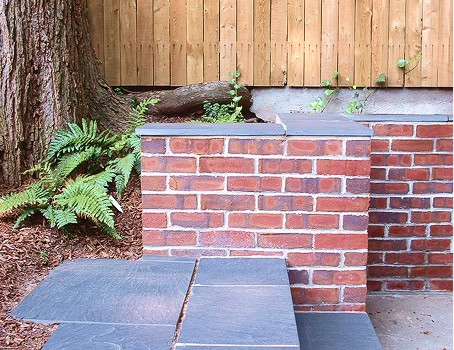
Retaining walls are often connected to other key masonry elements such as steps, walkway transitions, stoop landings, or patio edges. For this reason, a retaining wall project is sometimes best evaluated as part of a larger exterior masonry system rather than as an isolated feature. Because Renaissance Development also restores and builds these related elements, we approach the connections in a coordinated and consistent way.
Materials and Craftsmanship Matter on Historic Properties
Retaining walls in Washington, DC vary widely in age, construction, and materials. Some are brick masonry tied closely to the main building, while others use stone, mixed masonry, or concrete systems. Each requires an approach that considers both performance and appearance.
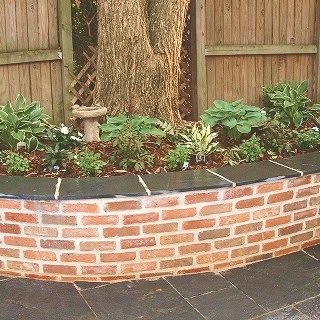
Brick Retaining Walls
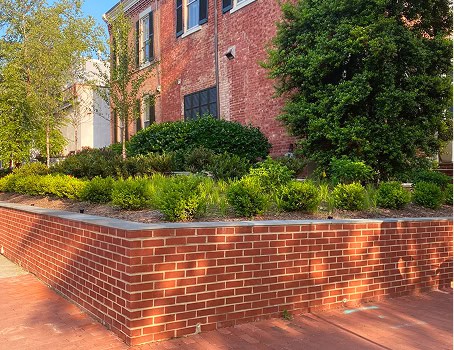
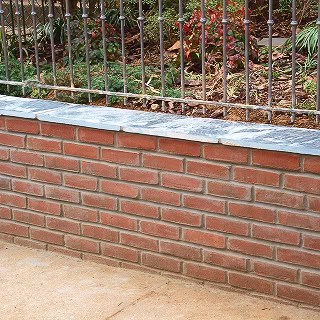
Brick retaining walls on older properties need careful attention to bonding patterns, mortar compatibility, joint finishing, and the condition of the brick itself. If the wall is restored poorly, the result can look patched, perform inconsistently, and age badly.
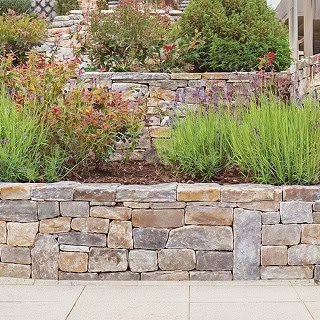
Stone Retaining Walls
Stone walls require similar care, but the visual effect depends heavily on selection, placement, coursing, and the treatment of joints and caps. Where a property already includes stone features, the restored retaining wall should feel integrated with those elements.
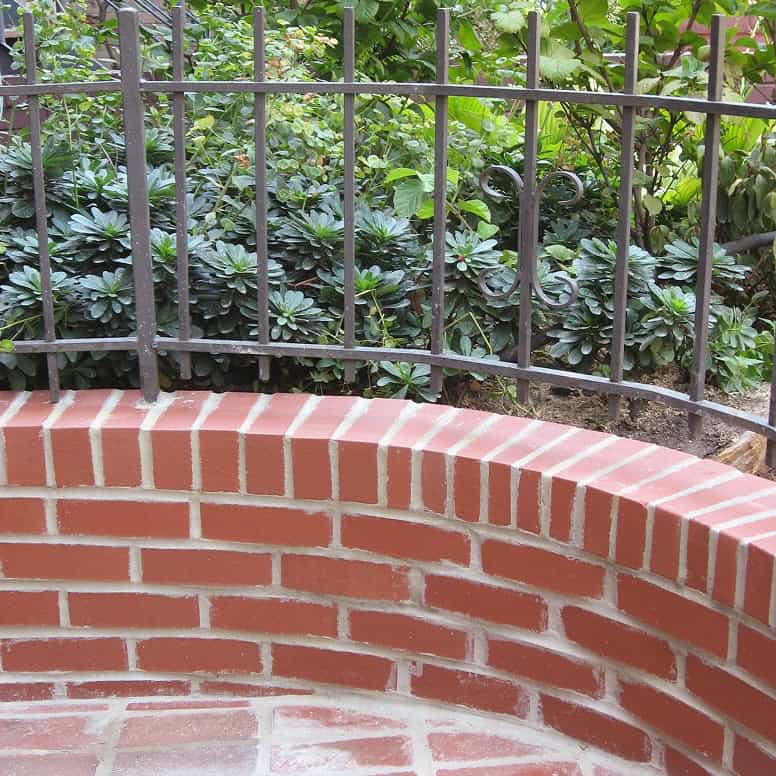
Mortar Compatibility and Jointing
In historic masonry, the mortar should suit the wall rather than overpower it. Joint profile, color, density, and installation quality all influence the finished appearance and long-term performance of the work.
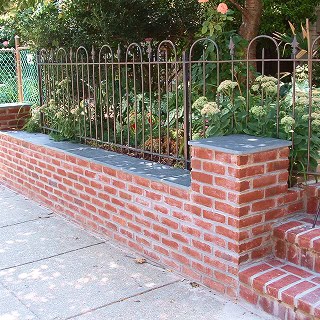
Coping, Caps, and Finish Details
The top of a retaining wall is not merely decorative. Caps and coping help shed water, protect the wall below, and complete the appearance of the finished structure. These details deserve the same care as the wall body itself.
Download Our Brochure
Quality masonry restoration should not announce itself as an obvious repair. Careful material selection, thoughtful detailing, and skilled workmanship make the difference between work that merely fills a problem area and work that restores the wall properly.
For owners who want more background on Renaissance Development’s approach to exterior masonry and historic preservation, our brochure provides helpful context.
Drainage and Wall Performance
A retaining wall must resist the weight of the soil behind it, but soil is only part of the story. Water is often the greater problem.
When rain or groundwater collects behind a wall and cannot escape, it creates pressure against the masonry. Over time, that pressure can push the wall outward, open joints, wash out supporting soil, stain the face of the masonry, and eventually lead to more serious movement or failure.
That is why drainage matters so much. In plain terms, a retaining wall should not have to hold back trapped water in addition to soil.
Building for Long-Term Performance
The right retaining wall repair or rebuild is shaped by the site. Some walls need localized masonry restoration. Others need more extensive reconstruction together with improved drainage and grading conditions. The goal is always the same: to create a wall that performs properly while also looking appropriate for the property.
Where project conditions indicate the need for additional design or technical coordination, we can discuss the appropriate next step during the evaluation stage.
We Look at More Than the Visible Face
- The wall’s alignment, movement, and visible cracking
- Evidence of soil washout, voids, or settlement near the wall base
- The condition of mortar joints, units, caps, and adjacent masonry
- Existing drainage paths, weep conditions, and likely blocked or ineffective drainage areas
- Signs of trapped moisture, staining, or efflorescence
- How the wall connects to steps, walkways, patios, or other site features
- Surface grading and where water currently flows during and after rain
What to Expect From the Process
A retaining wall project should feel organized and well understood from the beginning. Our process is designed to provide clarity, careful preparation, and quality execution.
Inspection and initial evaluation
We begin by reviewing the visible condition of the retaining wall and the surrounding site, with attention to cracking, movement, drainage, erosion, material condition, and how the wall connects to other masonry elements.
Diagnosis of the wall and site conditions
The visible damage is only part of the picture. We consider what is likely causing the problem so the recommendation addresses the wall system rather than just the symptom.
Recommendation and written scope of work
After evaluation, we provide a written proposal outlining the recommended restoration or rebuilding approach and the areas included in the scope.
Protection, coordination, and permits when required
Before work begins, we prepare the site carefully and protect adjacent areas, including landscaping, walkways, and nearby structures that may be affected by the project. When permits are required for the work, that is addressed as part of project planning.
Demolition and preparation
If rebuilding or deeper repair is required, failed masonry and unsuitable materials are removed in a controlled way so the wall can be restored on a sound basis.
Base and drainage preparation
Where existing conditions require correction, the base, grading, and drainage components are addressed so the restored wall has a better opportunity to perform properly over time.
Masonry repair, rebuilding, and finish work
The wall is restored or rebuilt with careful attention to compatibility, alignment, appearance, and craftsmanship. This may include repointing, rebuilding sections, replacing units, resetting caps, and completing the required finish details.
Cleanup and final review
At the end of the project, the work area is cleaned thoroughly and the completed scope is reviewed so clients understand what has been done and how the wall has been addressed.
A Good Fit for Our Approach
This service is likely a good fit for you if:
- You own an older home, rowhouse, apartment building, or commercial property with a retaining wall issue
- You are seeing leaning, cracking, separation, settlement, or drainage-related damage
- You want the work to complement the architecture rather than look patched or out of place
- You want a thoughtful recommendation that considers the wall, drainage, and surrounding masonry together
- You value clear communication, careful workmanship, and respectful treatment of your property
Why Owners Choose Renaissance Development
Owners who care about both appearance and long-term performance deserve more than a quick fix. They need a company that understands historic masonry, communicates clearly, and treats the entire property with care. Renaissance Development’s work is shaped by a consistent set of priorities:
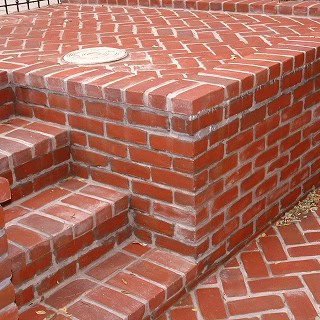
Preservation-Minded Approach
We approach retaining walls as a preservation project, not just a quick fix. Older structures require materials and techniques that complement the original design, not undermine it. That’s why we emphasize historically appropriate restoration that safeguards both the wall’s aesthetics and its long-term durability.
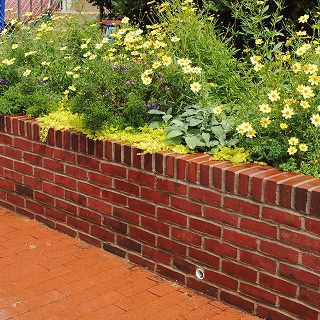
Careful Attention to Materials & Detailing
Quality retaining walls should not appear as minor or careless repairs. We pay meticulous attention to material color, joint design, and compatibility to ensure that the final result enhances the character of the structure while boosting its lifespan.
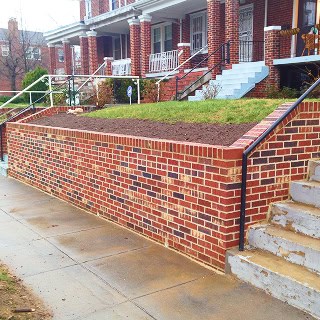
Thorough Project Planning & Communication
Effective masonry restoration starts with a comprehensive assessment of the retaining wall's condition. We look beyond obvious issues, evaluate the overall extent of deterioration, and propose a plan that properly addresses the wall rather than relying on temporary fixes.
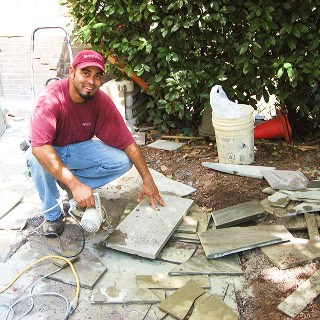
Professionalism From Start to Finish
Clients appreciate our project management as much as the end result. We ensure clear communication, respectful work practices, careful handling of the site and the neighboring properties, and skilled teams dedicated to quality craftsmanship throughout the project.

Led by an Expert in Historic Preservation
Renaissance Development was founded in 2004 by Dr. Christina K. Wilson. She holds a doctorate in architectural history from the University of Virginia and teaches architectural history and theory at The Catholic University of America in Washington, DC.
Dr. Wilson’s combination of academic knowledge and hands-on field experience gives Renaissance Development unparalleled expertise in historic masonry restoration. This means that chimney restoration work is guided not only by academic experience, but by a true hands-on understanding of historic buildings, traditional materials, and appropriate preservation practices.

Serving Washington, DC and Old Town Alexandria
Renaissance Development serves homeowners and commercial clients throughout Washington, DC and Old Town Alexandria, Virginia, with a strong focus on historic masonry and exterior work that must fit older properties appropriately.
From retaining walls supporting steps and walkways to site walls that shape urban gardens and manage grade changes, our work is designed to improve both function and appearance.
The Renaissance Difference, In Our Clients’ Words
Frequently Asked Questions
Can a retaining wall be repaired, or does it need to be rebuilt?
That depends on the extent of movement, cracking, settlement, material deterioration, and drainage-related damage. Some walls can be stabilized and repaired effectively, while others are too far gone for a durable repair and are better rebuilt. The right answer comes from evaluating the wall as a system rather than focusing on one visible defect.
What usually causes retaining walls to fail?
Common causes include trapped water behind the wall, poor drainage, soil movement, settlement, erosion, deteriorated mortar joints, failed prior repairs, and base conditions that no longer support the wall properly. In many cases, more than one issue is involved.
Why does drainage matter so much behind a retaining wall?
Because trapped water adds pressure. When water has nowhere to go, it pushes against the back of the wall and can contribute to cracking, leaning, staining, washout, and eventual failure. A good retaining wall strategy accounts for both the masonry and the way water moves through the site.
Do retaining walls need weep holes or drainage provisions?
Many do, but the appropriate solution depends on the wall type, the amount of retained soil, the grading, and the overall site conditions. In some situations, drainage stone, weeps, outlets, or piping may all be part of a better-performing wall system.
Can you match brick, stone, mortar, and finish details on a historic property?
That is an important part of the work. On older properties, the restored wall should feel consistent with the building and surrounding masonry. Material selection, jointing, caps, and finish details are all considered carefully so the completed work looks appropriate.
Can retaining wall work include connected steps, walkways, stoops, or patios?
Yes. Many retaining wall problems affect adjacent masonry elements, and many retaining walls are built directly into those transitions. When that is the case, it is often best to evaluate the connected features together so the finished work performs properly and looks cohesive.
What affects the cost of retaining wall repair or rebuilding?
Cost is influenced by the wall’s size and height, the extent of failure, access conditions, the type of masonry involved, how much demolition is required, drainage or grading corrections, and whether adjacent steps, walkways, or other site elements are part of the scope.
How long does a retaining wall project usually take?
Timing depends on the wall size, degree of deterioration, access, weather, material needs, and the complexity of the site. Smaller repairs may move quickly, while larger rebuilds or walls with drainage and grading issues may require more time. A project-specific timeline is part of the evaluation and proposal process.
Will permits or historic district requirements ever apply?
They may, depending on the property location, wall visibility, project scope, and the nature of the work. Permit needs and any likely approval considerations should be discussed early so the project can be planned appropriately.
Is a leaning or bulging retaining wall a safety concern?
It can be. Visible movement may indicate that the wall is no longer performing as intended. If the wall is near steps, walkways, play areas, patios, or neighboring property, it is wise to have it evaluated before the condition worsens.
How can I help my retaining wall last longer after repair or rebuilding?
The best long-term protection usually involves keeping drainage paths clear, watching for new movement or cracking, addressing small masonry problems early, and preventing conditions that cause water to collect behind the wall. Periodic evaluation is wise, especially on older properties.
Do you provide free estimates?
Yes. If your retaining wall is leaning, cracking, separating, settling, or showing signs of drainage-related damage, Renaissance Development can evaluate the masonry and recommend the appropriate scope of work. We serve Washington, DC and Old Town Alexandria with a careful, preservation-minded approach to exterior masonry and historic properties.
Restoration • Rejuvenation • Rebirth
Exterior Masonry & Historic Preservation Specialists
Renaissance Development is Washington, DC’s premiere company providing tuckpointing and brick façade restoration. In addition, we build patios, walkways, steps, and retaining walls, elements essential to urban gardens.
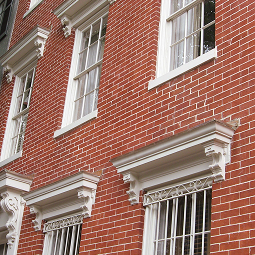
Tuckpointing
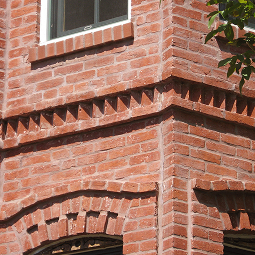
Masonry Restoration
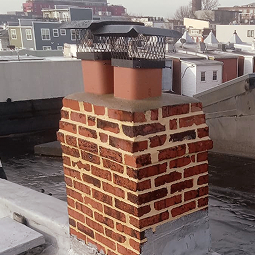
Chimney Repair
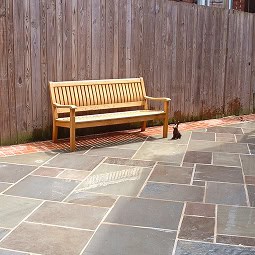
Patios
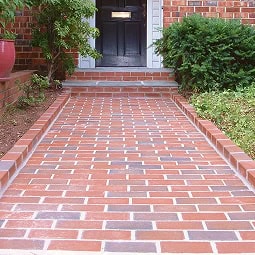
Walkways
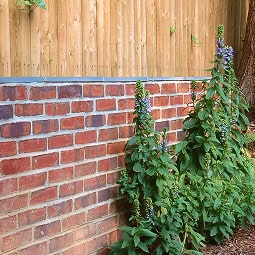
Retaining Walls


