
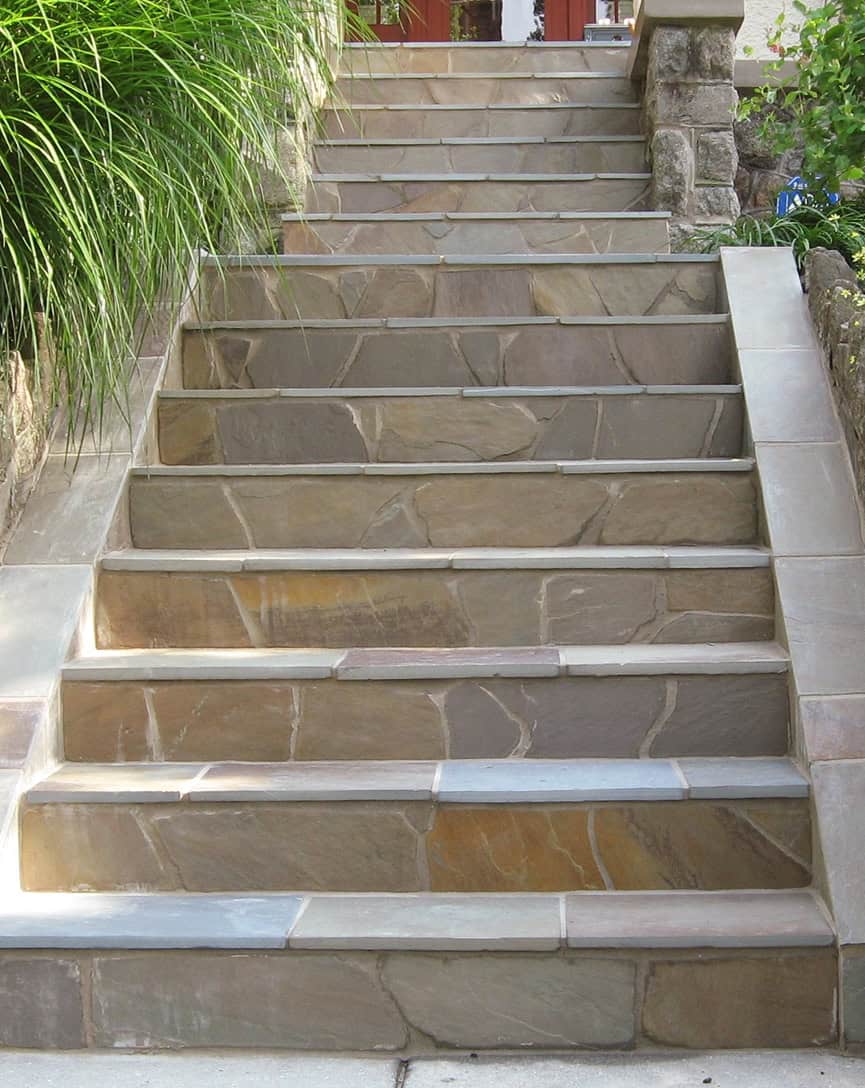
Historic Masonry Specialists
Steps: Historic Masonry Restoration for Washington, DC Entryways
Restore the safety, stability, and historic character of your entry steps with Renaissance Development. We specialize in repairing and restoring brick and stone steps, stoops, and landings in older homes throughout Washington, DC. Your front steps are integral to the architecture and masonry of your home, and when they start to settle or crack, it can impact both their usability and longevity.


Trusted by Owners of Historic Properties
Historic Entry Steps Deserve More Than a Surface Repair
Many step problems first appear as small annoyances: a loose brick at the edge of a tread, a cracked capstone, a tilted riser, or a puddle that remains after rain. These conditions may seem isolated, but they often point to larger issues involving deteriorated joints, unstable base conditions, water movement, or failed prior repairs.
Proper step restoration requires more than replacing a few visible pieces. The work must consider how the steps connect to the landing, stoop, walkway, railing, threshold, cheek walls, and adjacent masonry. It also requires materials and workmanship that suit the age and character of the building.
Renaissance Development approaches steps as historic masonry restoration, not generic hardscaping. The goal is to restore safe, stable, and attractive access while respecting the historic fabric of the property.
Signs Your Steps Need Repair
Entry steps should feel secure, drain properly, and provide a stable transition from the sidewalk or walkway to the door. If you are seeing one or more of the conditions below, it is time to have the masonry evaluated.
Settlement or sinking
Steps that have dropped, shifted, or pulled away from the landing may indicate base movement or washout below the masonry.
Tilting or uneven treads
Treads that slope, rock, or feel unstable can create daily safety concerns and may continue to worsen.
Cracked treads, caps, or coping stones
Cracked horizontal surfaces allow water to enter the masonry below, accelerating deterioration.
Loose bricks or stones
Loose units are a sign that the mortar or support conditions are no longer holding the step assembly together properly.
Crumbling mortar joints
Missing, recessed, or powdery mortar allows water to enter the joints and weaken the surrounding masonry.
Spalling or flaking surfaces
Brick or stone faces that chip, flake, or break apart often indicate moisture-related deterioration.
Gaps between steps, landings, or adjacent walls
Separation can signal movement, failed joints, or deterioration where different masonry elements meet.
Drainage-related washout
Soil loss or hollow areas around the steps can undermine stability and lead to further movement.
Trip hazards
Uneven risers, loose edges, or inconsistent transitions should be addressed before they become more serious.
Water pooling
Standing water on treads, landings, or at the base of the steps can shorten the life of masonry repairs.
Separation from the stoop or entry landing
Movement at the connection point should be evaluated carefully, especially on older homes
Entry steps should feel secure, drain properly, and provide a stable transition from the sidewalk or walkway to the door. If you are seeing one or more of the conditions below, it is time to have the masonry evaluated.
Quality Workmanship for Your Entry Steps
Small step problems rarely improve on their own. A loose brick, cracked tread, shifting stone, or pooling water can lead to more extensive masonry deterioration if the underlying condition is not addressed.
Renaissance Development can evaluate your steps, explain the likely causes, and recommend a restoration strategy appropriate for your historic home or building.


Request a Free Estimate!
Tell us what you are seeing.
Describe the mortar or brick issue and our team will follow up about your property and next steps.
Steps & Stoop Services
Renaissance Development repairs and restores masonry steps with attention to safety, durability, material compatibility, and historic appearance. The scope of work depends on the condition of the steps, the adjacent masonry, and the underlying causes of deterioration.
01
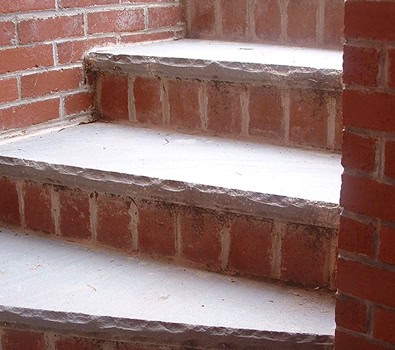
Brick Step Repair and Rebuilding
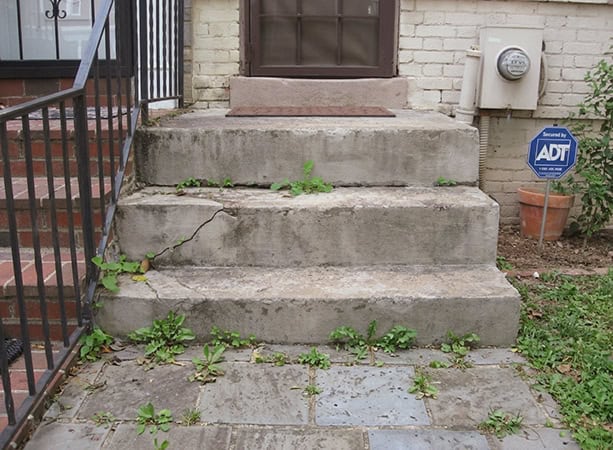
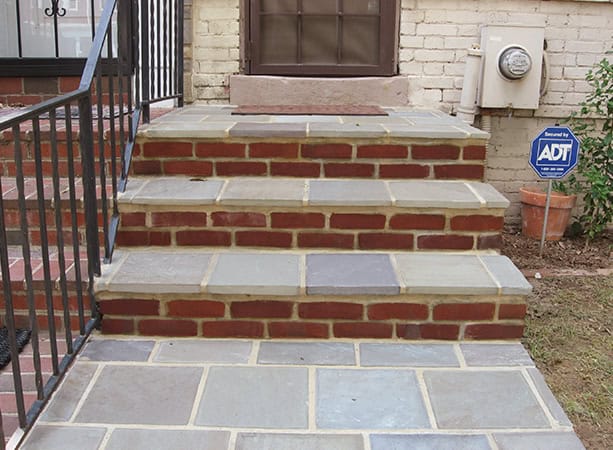
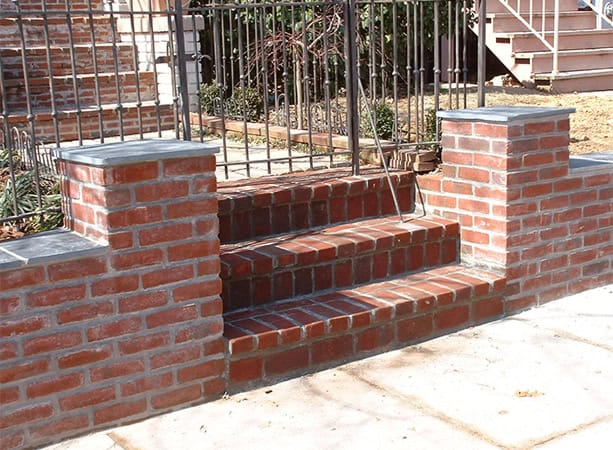
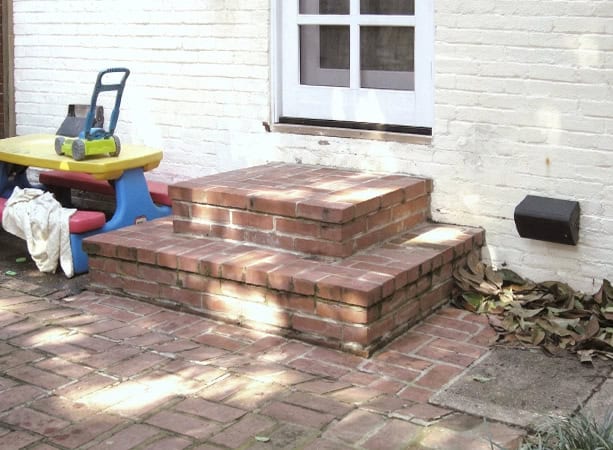
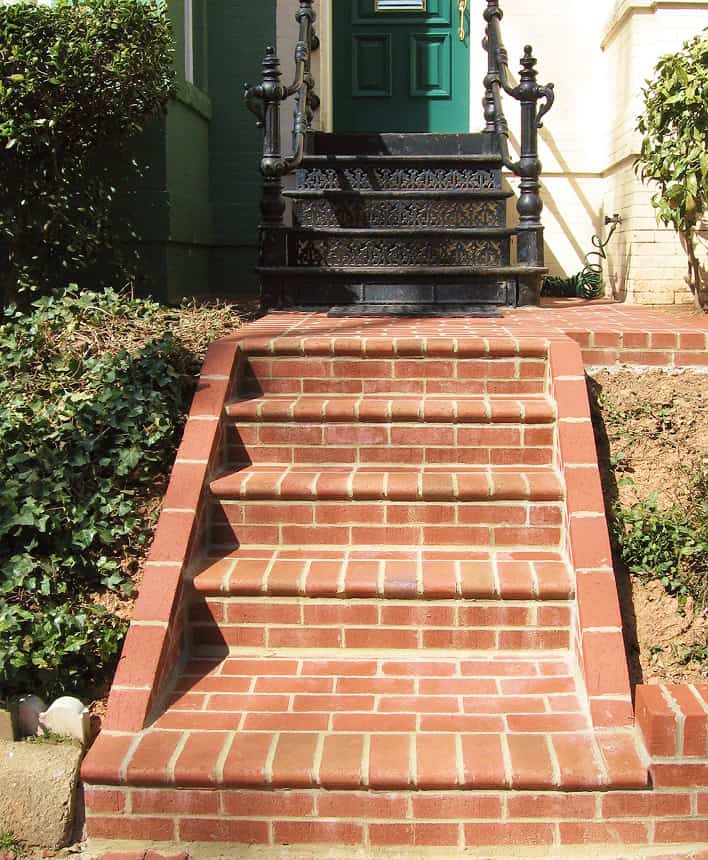
Brick steps are common throughout Washington, DC’s historic neighborhoods. When brick steps are cracked, loose, uneven, or deteriorating, we evaluate whether targeted repair or a more comprehensive rebuild is the appropriate solution. Where rebuilding is needed, the work is planned to restore both the function of the steps and the visual character of the entry.
02
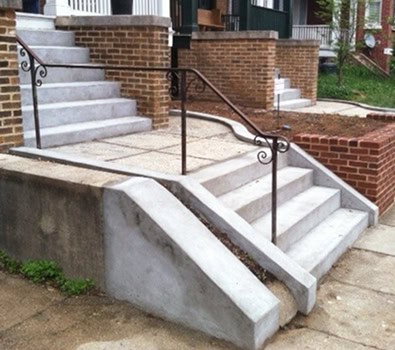
Stone Step Repair, Resetting, and Leveling
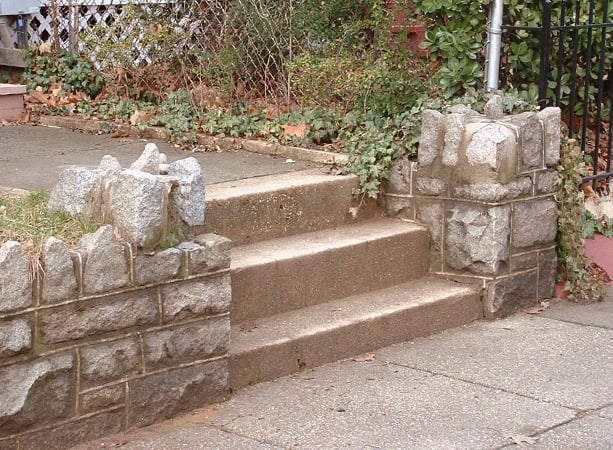
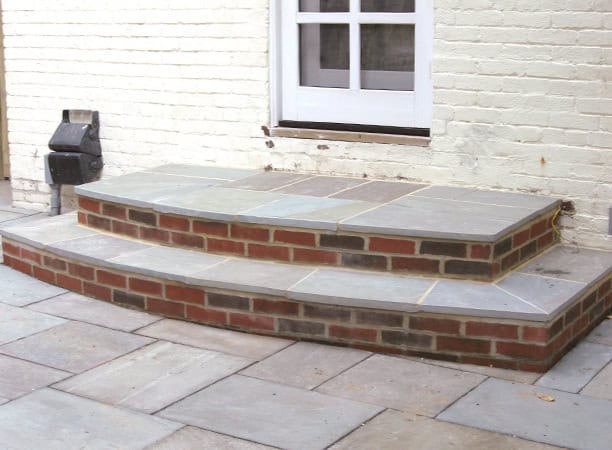
Stone treads, caps, and landings can shift, crack, or become unstable over time. We repair and reset stone elements where appropriate, with careful attention to alignment, bearing conditions, mortar joints, edges, and the way the stone connects to the rest of the entry.
03
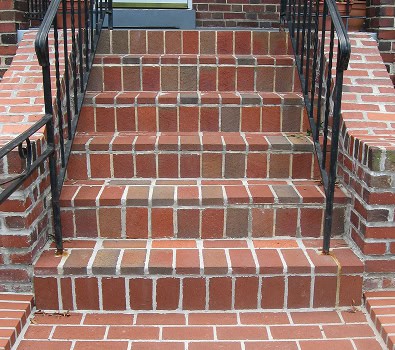
Repointing and Tuckpointing at Steps, Landings, and Adjacent Masonry
Steps often fail where mortar joints have deteriorated or where earlier repairs used incompatible materials. Repointing the joints around steps, risers, cheek walls, and landings helps reduce water intrusion and restore integrity to the masonry assembly.
04
Replacing Failed Brick or Stone Units
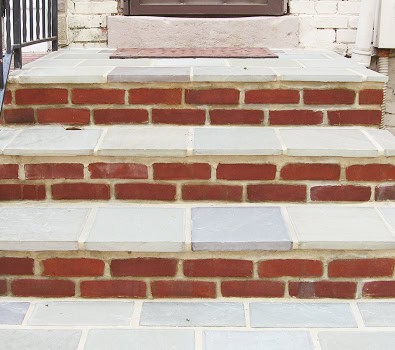
Where individual units have cracked, spalled, or broken beyond repair, selective replacement may be necessary. We pay careful attention to size, color, texture, and overall appearance so new work does not look like a haphazard patch.needed for conditions beyond the masonry itself.
05
Stoop and Landing Restoration
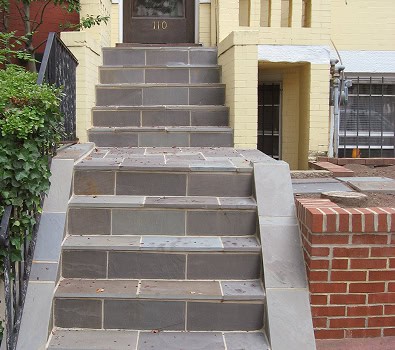
On many DC homes, the steps and landing function as one system. If the landing is cracked, loose, sloped improperly, or separating from the steps or façade, it should be reviewed as part of the overall entry condition. We recommend a scope of work that addresses the visible damage and the surrounding masonry conditions that may be contributing to it.
06
Drainage and Base Conditions
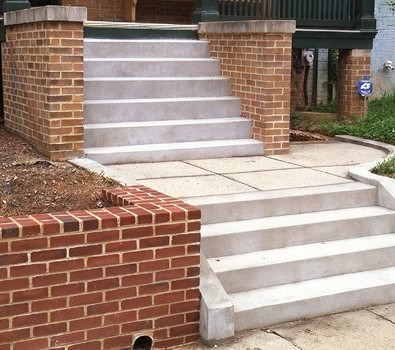
Water is one of the most common causes of masonry deterioration. During evaluation, we look for pooling water, washout, gaps, failed joints, and conditions that may be allowing water to undermine the steps. When the scope calls for it, we address accessible base and drainage-related conditions as part of the masonry repair strategy. For issues requiring engineering design or specialized drainage systems, we can identify when additional expertise may be appropriate.hat have failed.
07
Safety and Usability Improvements
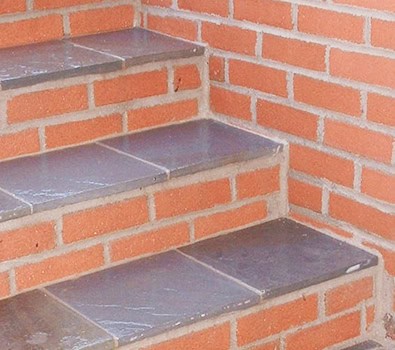
Good step restoration should improve how the entry feels underfoot. We look at loose edges, inconsistent transitions, worn nosing, unstable treads, and other conditions that affect daily use. The goal is a secure, stable entry that fits the property and functions well over time.
08
Integration With Walkways and Entry Paths
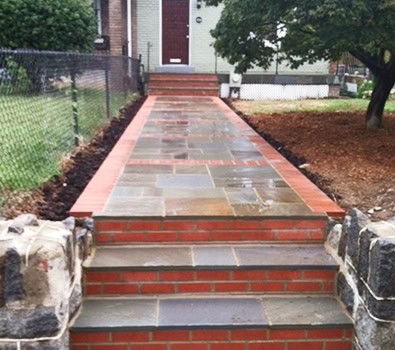
Steps rarely exist in isolation. The connection between the steps, walkway, front path, retaining wall, and adjacent masonry is often where water and movement problems appear. When needed, we coordinate step restoration with walkway or entry path improvements so the approach to the home works as a cohesive whole.
Historic Rowhouse & Entry Step Considerations
Washington, DC entry steps are exposed to heavy foot traffic, rain, freezing temperatures, deicing salts, tree roots, soil movement, and decades of prior repairs. In historic neighborhoods such as Capitol Hill, Georgetown, Dupont Circle, Logan Circle, Shaw, Adams Morgan, Mount Pleasant, and Old Town Alexandria, many entry steps also contribute directly to the building’s character.
That is why the best restoration strategy balances several priorities:
- Safe and stable daily access
- Durable performance in exterior conditions
- Appropriate drainage at the entry
- Material compatibility with the existing brick or stone
- Clean lines, consistent edges, and careful joint finishing
- Preservation of the entry’s historic appearance wherever possible
A step repair that ignores any of these priorities may solve one visible problem while creating another. Renaissance Development evaluates the entry as a whole so the recommended scope supports both immediate function and long-term masonry performance.
Materials + Craftsmanship for Historic Steps

Matching Brick and Stone Appearance
Historic masonry restoration should not draw attention to itself for the wrong reasons. When brick or stone must be replaced, we consider color, size, surface texture, coursing, and the way the new material will look beside older masonry. Exact matches are not always possible, but careful selection helps the finished work feel appropriate to the building.

Mortar Compatibility and Joint Finishing
Mortar is not simply filler. It affects how masonry absorbs, sheds, and releases moisture. On older brick and stonework, the replacement mortar should be appropriate for the existing materials and conditions. We pay attention to mortar color, texture, strength, and joint profile so the repair supports both durability and appearance.

Caps, Coping, Edges, and Clean Transitions
Horizontal surfaces take the hardest weather exposure. Treads, caps, coping stones, edges, and landings need careful detailing so water does not sit in vulnerable areas or enter open joints. Clean lines and consistent transitions also help the entry look intentional rather than patched together.

Craftsmanship That Suits the Architecture
The goal is not to make historic steps look new in a way that feels out of place. The goal is to restore stability, usefulness, and visual harmony. That requires a knowledgeable eye, experienced hands, and a restoration strategy suited to the building.
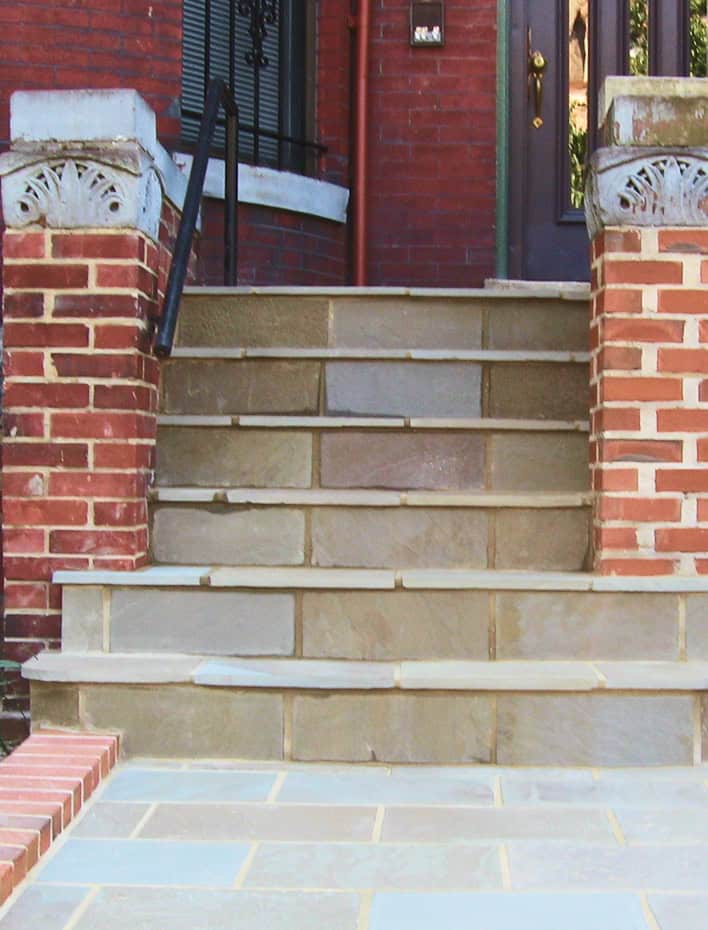
On-Site Protection &
Working at Your Entry
Steps are often located at the primary entrance to the home, so the work must be planned with special care. Homeowners want the final result to be excellent, but they also need clear communication and respectful work practices while the project is underway.
Before work begins, Renaissance Development plans for the protection of the property and the practical realities of working at the entry.
What We Protect and Plan For:
- Thresholds, doors, and adjacent façade materials
- Railings, handrails, and nearby metalwork where present
- Garden beds, plantings, and front yard features
- Walkways, sidewalks, and neighboring property edges
- Dust, debris, and material storage around the work area
- Clear access planning whenever the primary entry is affected
- End-of-day organization and cleanup
- Communication about the sequence of work and what to expect
Every property is different. Some entries allow easy temporary access, while others require more careful coordination. We discuss these details before work begins so homeowners understand how the project will be handled.

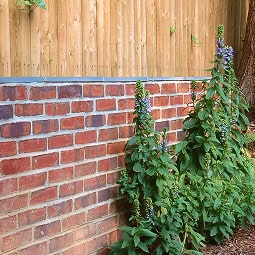
We used Renaissance to replace a deteriorating faux wall with brick and they did a fantastic job, attached are before and after photos! I would highly recommend them for all jobs big and small!
What to Expect From the Process
From the first site visit through project completion, our process is designed to clarify the problem, recommend the appropriate repair strategy, and complete the work with careful attention to the building and surrounding property.
Inspect the steps and adjacent masonry
We evaluate the visible condition of the steps, landing, joints, treads, caps, railings, walkway connection, and surrounding masonry. We look for signs of movement, water-related deterioration, failed repairs, and unsafe transitions.
Diagnose the likely causes
Step damage can come from several conditions, including deteriorated mortar, settlement, water pooling, washout, failed base conditions, or incompatible previous repairs. Understanding the cause helps determine whether repair, rebuilding, repointing, resetting, or a broader scope is appropriate.
Recommend the appropriate scope of work
After the evaluation, we provide a written proposal that explains the recommended work and the areas to be addressed. The goal is to define a scope that solves the problem as thoroughly as possible rather than simply covering the most visible symptoms.
Plan access and protect the site
Before work begins, we coordinate entry access, protect adjacent surfaces and landscaping, and discuss any practical considerations related to the primary entrance.
Prepare the work area and address base conditions where needed
Depending on the scope, work may involve removing failed units, opening deteriorated joints, preparing the base, correcting accessible washout or instability, and preparing the masonry for proper repair.
Complete the masonry restoration work
Brick, stone, and mortar work is completed with careful attention to alignment, joint finishing, material compatibility, and visual appearance.
Clean the area and review the finished work
At the end of the project, the work area is cleaned and the completed masonry is reviewed. We walk through the results with the client and answer any remaining questions.
Provide practical maintenance guidance
When appropriate, we explain what to watch for after the work is complete, including drainage concerns, new cracks, joint wear, or conditions that should be addressed before they become larger problems.
Why Homeowners Choose Renaissance Development
Owners of historic homes are not looking for a quick patch. They want a company that understands older masonry, respects the building, and can complete the work with care. Renaissance Development brings a preservation-minded perspective to exterior masonry restoration throughout Washington, DC and Old Town Alexandria.
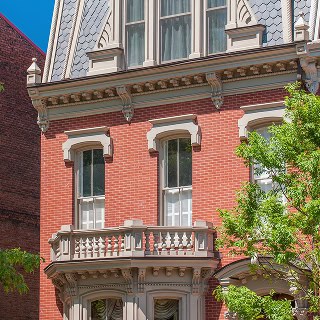
Led by Expertise in Historic Buildings
Renaissance Development was founded in 2004 by Dr. Christina K. Wilson, whose doctorate in architectural history from the University of Virginia brings uncommon depth to the company’s work with historic buildings and traditional masonry materials.
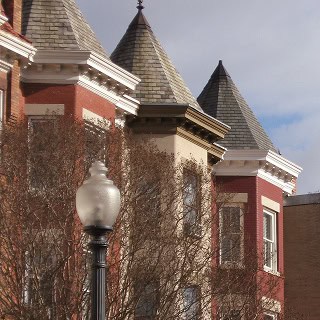
Focused on Exterior Masonry and Historic Preservation
The company specializes in exterior masonry and historic preservation, including tuckpointing, brick restoration, steps, walkways, patios, retaining walls, and related entry features designed to complement historic properties.
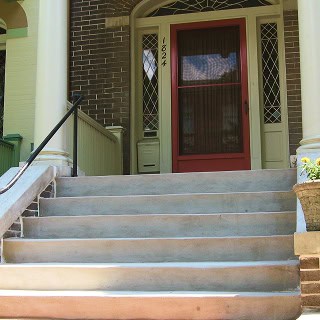
Careful Craftsmanship and Preservation-Minded Work
Step restoration requires careful alignment, proper joint finishing, appropriate material selection, and attention to the building’s original character to ensure both appearance and long-term performance.
Professionalism From Start to Finish
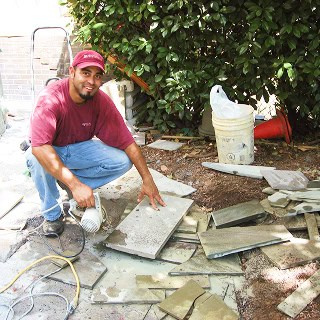
Clients value clear communication, respectful treatment of the property, organized work practices, and thorough cleanup, especially for projects taking place at highly visible front entries.
Serving Washington, DC and Old Town Alexandria
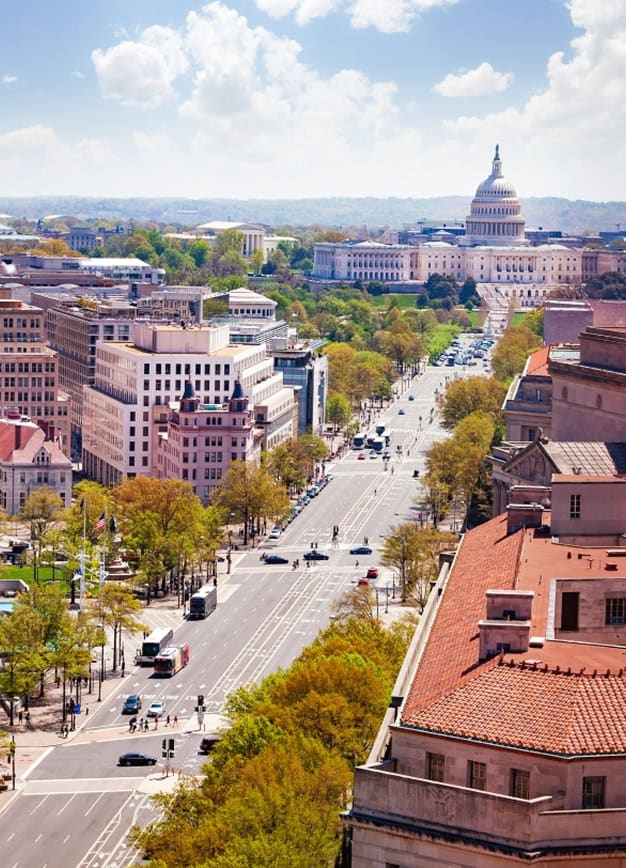
Renaissance Development serves homeowners and commercial clients throughout Washington, DC and Old Town Alexandria, with a strong focus on historic masonry and older brick buildings.
Interior masonry restoration is especially relevant in neighborhoods with historic rowhouses, apartment buildings, and masonry commercial structures, including:
The Renaissance Difference, In Our Clients’ Words
Common Questions About Interior Masonry Restoration
Can my existing steps be repaired, or do they need to be rebuilt?
It depends on the condition of the masonry and the cause of the damage. If the steps are generally stable and only certain joints or units have failed, repair or repointing may be appropriate. If the steps have settled, shifted, separated, or lost support below the surface, partial or full rebuilding may be the better long-term solution.
Why do brick or stone steps sink, shift, or pull away from the landing?
Common causes include water pooling, drainage-related washout, soil movement, freeze/thaw exposure, failed mortar, or base conditions that no longer support the steps properly. Older steps may also have been repaired several times without the underlying issue being addressed.
How do you address drainage and water problems around entry steps?
We look for signs of pooling water, open joints, washout, poor transitions, and water moving toward or through the masonry. When the needed work is within the masonry scope, we address accessible conditions as part of the repair. If the property requires a more specialized drainage or engineering solution, we identify that during the evaluation.
Can you match historic brick or stone?
We make every reasonable effort to select brick or stone that is compatible with the existing masonry in size, color, texture, and overall appearance. Exact matches are not always available, especially on older buildings, but careful material selection and joint finishing help the repair blend with the historic entry.
Do you work on stone steps as well as brick steps?
Yes. Renaissance Development works with exterior masonry materials including brick and stone. Stone step restoration may involve resetting, leveling, repointing, replacing failed units, or repairing adjacent masonry depending on the condition of the entry.
How long does step repair or rebuilding usually take?
The timeline depends on the size of the steps, the extent of damage, access conditions, material availability, weather, and whether the scope includes adjacent walkways, landings, stoops, or drainage-related work. After the site evaluation, we can provide a more specific timeline in the proposal.
Will I be able to use my front entry during the project?
In some cases, access can be maintained for portions of the work. In other cases, the entry may need to be limited while masonry is being removed, reset, rebuilt, or cured. We discuss access before work begins so you know what to expect and can plan accordingly.
What affects the cost of step restoration?
Cost depends on the materials involved, the extent of deterioration, whether the steps need repair or rebuilding, access conditions, the condition of the base, drainage-related issues, matching requirements, railings or adjacent masonry, and the amount of work needed at the landing or walkway connection.
Can you work around existing railings or handrails?
Often, railings and handrails can be protected or worked around, but some projects require temporary removal or coordination depending on how the railing is attached and how much masonry must be rebuilt. We evaluate this during the site visit and include the relevant details in the recommended scope.
Can you coordinate step repairs with walkway or entry path improvements?
Yes. Steps, walkways, landings, and entry paths often work together. If the connection between these areas is part of the problem, we can recommend a scope that addresses the entry sequence as a whole.
How can I maintain restored masonry steps?
Keep the steps clean, avoid letting water pool, watch for new cracks or loose joints, and address small problems before they spread. It is also wise to avoid harsh treatments or incompatible patching materials that can damage older brick or stone.
Do you provide free estimates?
Yes. Renaissance Development provides free estimates. Tell us what you are seeing — settling, cracking, loose brick or stone, crumbling joints, water pooling, or separation from the landing — and we can recommend the appropriate next step.
Restoration • Rejuvenation • Rebirth
Exterior Masonry & Historic Preservation Specialists
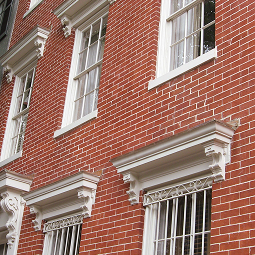
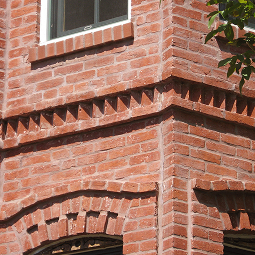
Renaissance Development is Washington, DC’s premiere company providing tuckpointing and brick façade restoration. In addition, we build patios, walkways, steps, and retaining walls, elements essential to urban gardens.
Tuckpointing
Masonry Restoration
Chimney Repair
Patios
Walkways
Retaining Walls


