
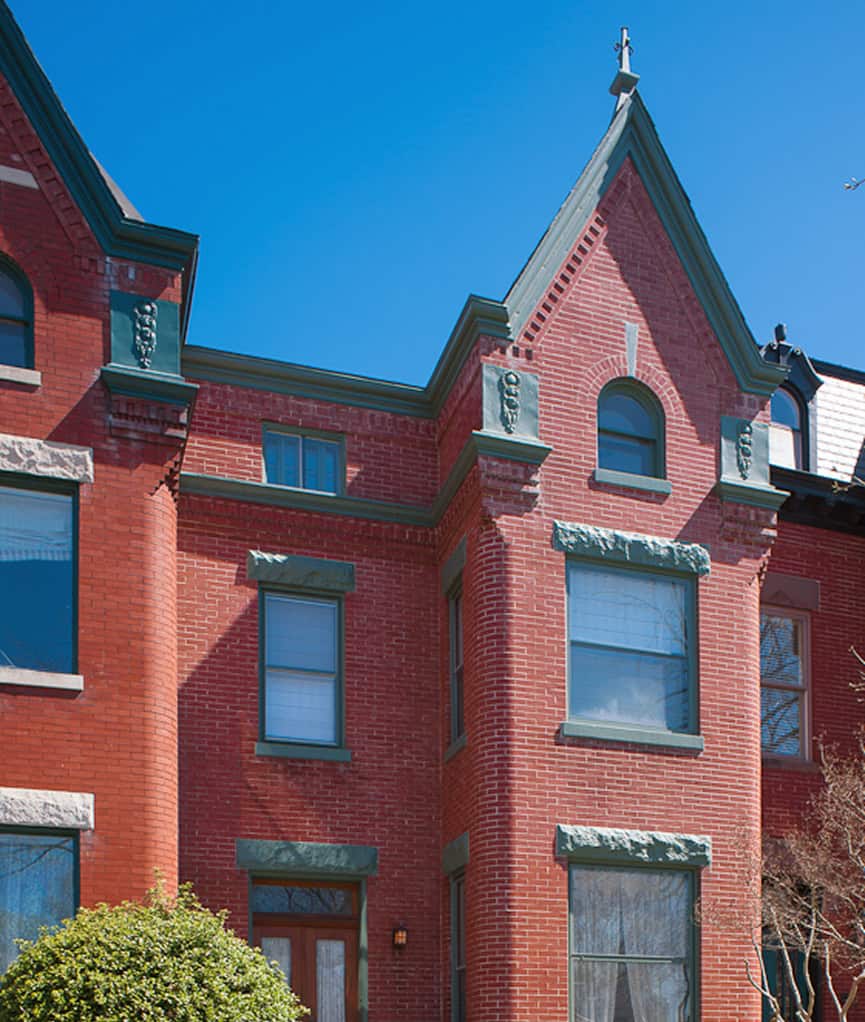
Historic Masonry Specialists
Skills, Certifications & Safety Standards
Historic masonry restoration requires more than careful craftsmanship. It also requires trained supervision, safe access, responsible jobsite practices, and a clear understanding of how to work around older buildings without creating unnecessary risk or disruption.
Renaissance Development brings preservation-minded expertise and professional project standards to tuckpointing, brick restoration, chimney repair, façade restoration, and exterior masonry projects throughout Washington, DC and Old Town Alexandria.


- Trained Supervision
- Scaffolding and Fall Protection Awareness
- Lead Abatement Certification
- Careful Treatment of Historic Properties
Why Safety Standards Matter on Historic Masonry Projects
Older buildings require careful work practices
Work on historic brick buildings is different from ordinary masonry repair. Many older structures were built with load-bearing brick walls, lime-based mortar, softer brick, and details that can be easily damaged by inappropriate methods or rushed work.
A restoration project may involve scaffolding, mortar removal, brick repair, cleaning, access through tight urban spaces, coordination around landscaping, and careful protection of neighboring properties. These conditions make training, supervision, and jobsite planning essential.
For Renaissance Development, safety is not separate from craftsmanship. The same care that guides mortar selection, joint tooling, and brick compatibility also guides how the work is accessed, organized, protected, and completed.
Trained Supervision for Historic Masonry Projects
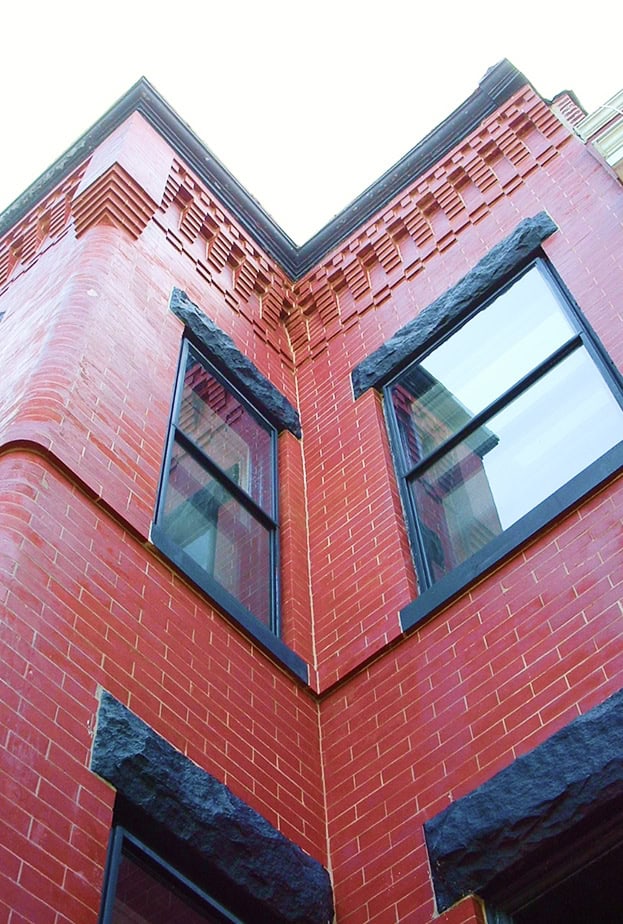
Projects Are Guided by People Who Understand the Work
A well-executed masonry restoration project depends on more than the crew on the wall. It requires evaluation, scope development, scheduling, access planning, site preparation, supervision, and communication with the client.
Renaissance Development’s supervisors help support that process by bringing training and oversight to the jobsite. Their role is to help ensure that restoration work is performed carefully, safely, and in keeping with the project scope.
This matters for homeowners and building owners because historic masonry projects often involve more than one visible issue. Failing mortar, damaged brick, moisture intrusion, chimney deterioration, painted façades, and previous cement patches all need to be understood before work begins.
Supervisor standards include:
- Understanding the scope of work before project commencement
- Coordinating safe access to the masonry included in the project
- Supporting careful site preparation and protection
- Helping crews follow appropriate work practices
- Maintaining communication as work progresses
- Reviewing completed work before final walkthrough
Supervisor Certifications
Verified Training That Supports Better Project Execution

Projects Are Guided by People Who Understand the Work
Many older buildings may contain materials or surface conditions that require careful handling. Lead Abatement certification helps support safer work practices when projects involve conditions where lead-related precautions may be relevant.
For clients, this provides added confidence that the company understands the importance of proper procedures, containment awareness, and responsible project planning around older properties.

OSHA 30-Hour Construction Certification
OSHA 30-hour Construction training reflects a broader understanding of jobsite safety. This training supports awareness of common construction hazards, safe work practices, protective measures, and supervisory responsibilities.
For masonry restoration, that awareness is particularly useful when crews are working on scaffolding, around tight access areas, near neighboring properties, or on multi-day projects that require careful coordination.
Crew Training & Scaffolding Safety
Safe Access Is Essential to Careful Restoration
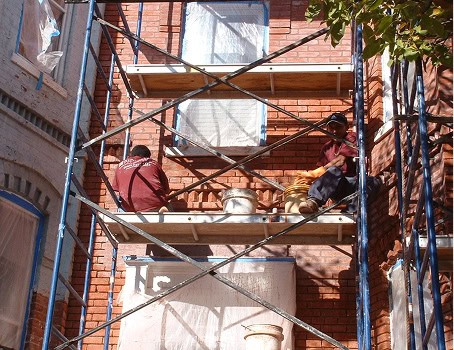
Historic masonry cannot be restored properly if crews cannot safely reach and work on the full area included in the project. Ladders are not always appropriate for comprehensive tuckpointing or façade restoration because the work requires tools, materials, careful joint preparation, and consistent access across the wall.
When the building and scope require it, Renaissance Development uses scaffolding so masonry can be accessed more safely and restored more thoroughly.
Crew members are certified in OSHA Scaffolding / Fall Protection. Current company training also includes, where applicable, additional safety training in areas such as stairways and ladders, hazard communication, personal protective equipment, concrete and masonry safety, and walking and working surfaces.
These training standards help support work that is more organized, more controlled, and better suited to the demands of historic masonry restoration.
What this means for clients
- Crews are trained to understand scaffolding and fall protection concerns
- Access is planned around the building and scope of work
- Work areas are approached with awareness of surrounding property conditions
- Restoration can be performed more thoroughly when crews have stable access
- Safety planning supports both the crew and the property owner
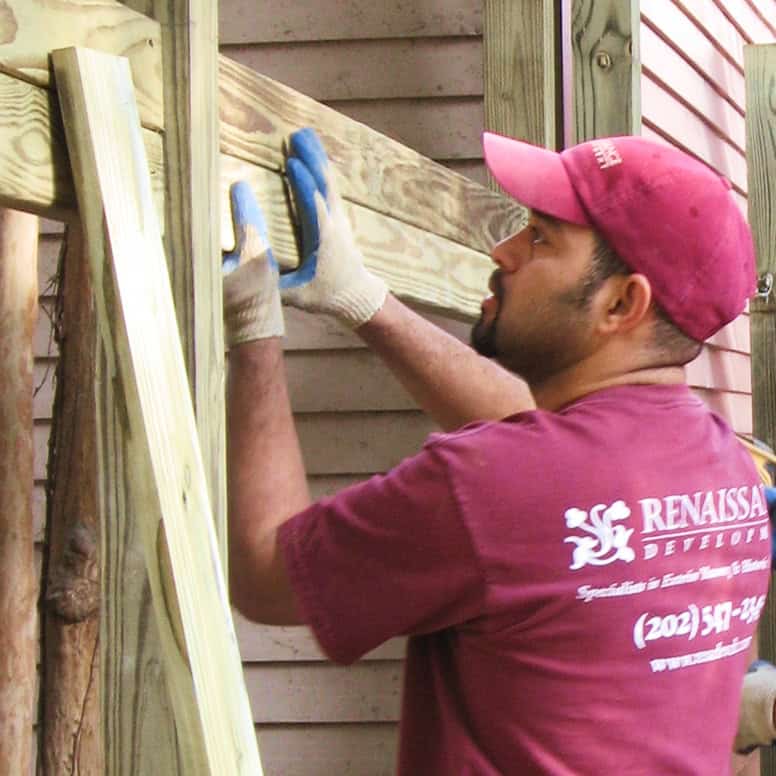
Jobsite Protection Standards
Careful Preparation Before the Work Begins
A masonry project affects more than the wall itself. Dust, debris, access routes, landscaping, adjacent surfaces, neighboring structures, and pedestrian areas all need to be considered before work begins.
Renaissance Development approaches site protection as part of the project, not an afterthought. Before restoration begins, the team evaluates the areas that may be affected by the work and takes appropriate steps to protect the building and surrounding property.
This is especially important in Washington, DC’s historic neighborhoods, where rowhouses, gardens, alleys, sidewalks, shared walls, and adjacent properties are often close together.
Site protection may include attention to:
- Landscaping and garden areas near the work zone
- Adjacent brick, stone, wood, or painted surfaces
- Neighboring structures or shared access areas
- Walkways, patios, steps, and hardscape features
- Windows, doors, trim, and nearby architectural details
- Worksite cleanup and debris management
- Final review of completed work with the client
The goal is to complete the masonry restoration carefully while respecting the building, the property, and the surrounding environment.
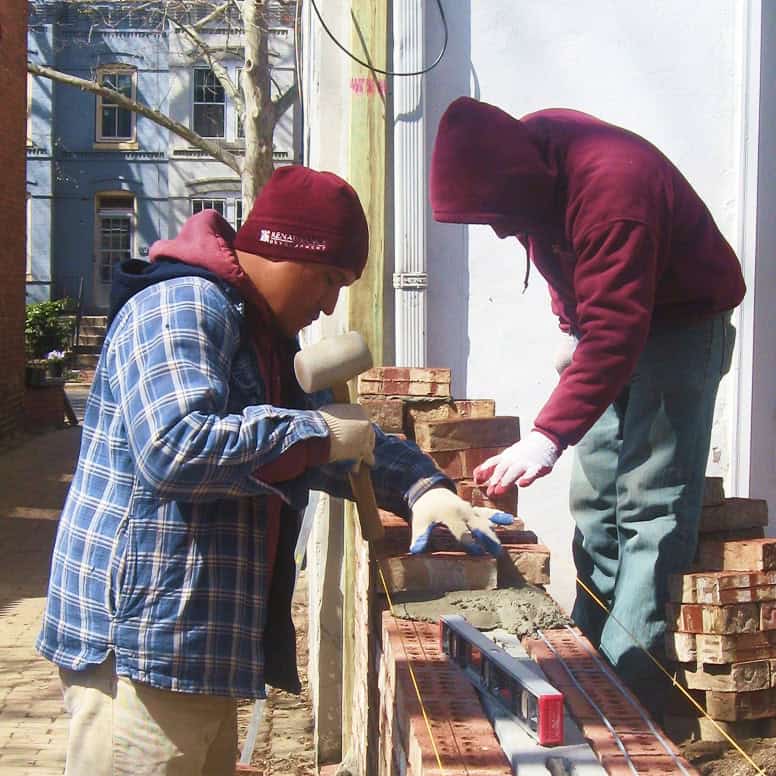
Background Checks & Substance Testing
Professional Standards for the People on Site
Renaissance Development’s current company standards include background checks and substance testing for employees.
For clients, this is a meaningful trust signal. Masonry restoration often requires crews to work around private residences, occupied buildings, commercial properties, courtyards, gardens, and shared urban spaces. Professional screening standards help reinforce the level of care expected from the people representing the company on site.
These standards support a more professional project experience from first arrival through final cleanup.
Working Safely Around Historic Buildings
Safety and Preservation Belong Together
Historic masonry restoration is careful work. The wall must be protected, but so must the people working on it and the property surrounding it.
Renaissance Development’s safety standards support the company’s broader preservation-minded approach. A project is not successful simply because the new mortar looks appropriate. It must also be planned responsibly, accessed safely, performed carefully, and completed with respect for the building and its surroundings.
That means thinking through the practical details before work begins:
- How will the wall be accessed?
- What needs to be protected?
- Are permits required?
- Is scaffolding needed?
- How will mortar removal and cleaning be controlled?
- How will the property be left at the end of each workday?
- What should the client expect before, during, and after the project?
When those questions are addressed early, the project is more organized, the client is better informed, and the finished work can be completed with greater care.
Standards That Support Better Restoration
The Same Discipline That Protects the Jobsite Protects the Building
Renaissance Development’s standards are not limited to certificates and training. They show up in the way projects are evaluated, planned, and completed.
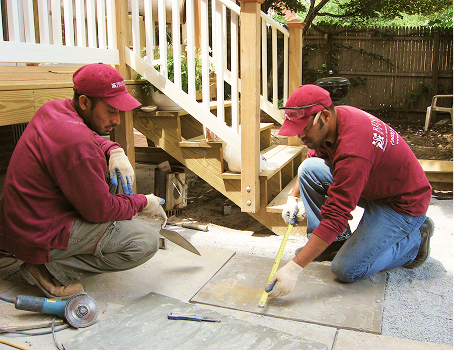
01
Careful Evaluation
We look closely at visible deterioration, moisture patterns, failed prior repairs, access conditions, and the overall condition of the masonry before recommending a scope of work.
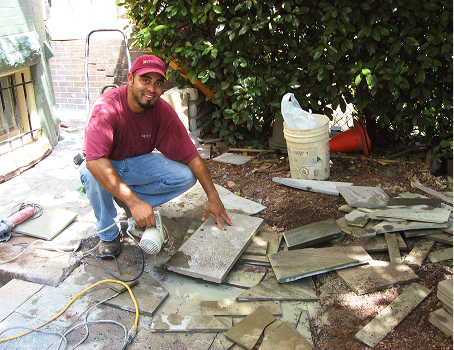
02
Appropriate Materials
Historic masonry requires materials that are compatible with the original wall. Mortar selection, density, color, texture, and joint profile all affect the final result.
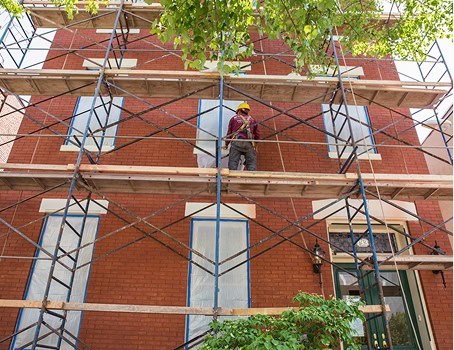
03
Safe Access
When scaffolding is required, stable access allows crews to work more carefully and thoroughly across the full wall area included in the scope.
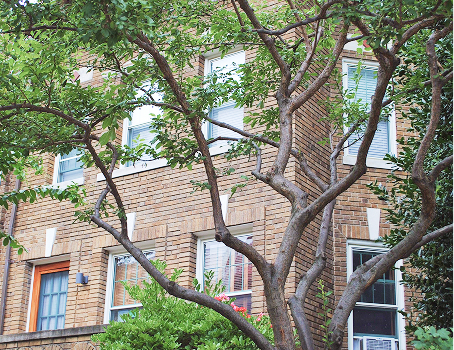
04
Respect for Surrounding Property
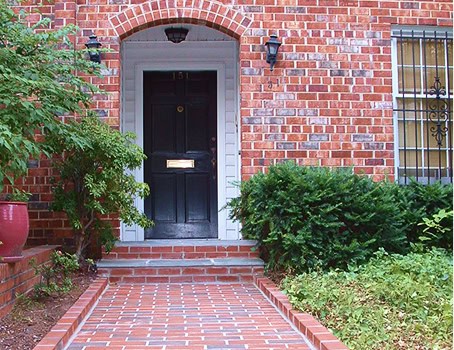
Landscaping, adjacent buildings, shared walls, sidewalks, and neighboring properties are considered as part of the project setup.
05
Clear Communication
Clients receive a defined scope of work and a clear understanding of the process before work begins.
06
Final Review
At the end of the project, completed work is reviewed so questions can be addressed and the client understands what has been done.
A Professional Project Experience
From Start to Finish
When Renaissance Development evaluates a building, the goal is to determine the appropriate restoration approach and carry it out with care. That includes more than the technical masonry work itself.
A clear first conversation
Tell us what you are seeing, whether it is crumbling mortar, loose brick, chimney deterioration, staining, damp interior walls, or previous cement repairs.
A careful masonry evaluation
We inspect the visible conditions and consider how moisture, prior repairs, access, and surrounding property conditions may affect the scope.
A detailed written proposal
The recommended work is outlined clearly so you understand the restoration strategy before the project begins.
Preparation and protection
Access, permits when required, scaffolding needs, landscaping, adjacent areas, and property protection are addressed before work proceeds.
Careful execution
Restoration work is completed with attention to compatible materials, appearance, durability, and jobsite conditions.
Cleanup and final walkthrough
The work area is cleaned and the completed work is reviewed with the client.


Training & Standards at a Glance
Lead Abatement Certified Supervision
Trained supervision supports safer planning and appropriate precautions when working around older properties and legacy materials.
OSHA 30-Hour Construction Certified Supervision
Supervisory training supports broader jobsite safety awareness and responsible project oversight.
OSHA Scaffolding / Fall Protection Certified Crew Members
Scaffolding and fall protection training supports safer access for comprehensive masonry restoration.
Additional Safety Training
Current company training includes areas such as stairways and ladders, hazard communication, PPE, concrete and masonry safety, and walking and working surfaces.
Background Checks & Substance Testing
Employee screening standards support professionalism and client confidence on residential and commercial jobsites.
Property Protection Practices
Projects are planned with attention to landscaping, adjacent surfaces, neighboring properties, and final cleanup.
Common Questions About
Certifications & Safety
Are Renaissance Development supervisors certified?
Current company certification standards include supervisors with Lead Abatement certification and OSHA 30-hour Construction certification.
Are crew members trained for scaffolding and fall protection?
Yes. Crew members are certified in OSHA Scaffolding / Fall Protection, and current company training also includes additional safety topics related to common construction and masonry jobsite conditions.
Why does scaffolding matter for tuckpointing?
Comprehensive masonry restoration often requires stable access across the full wall area included in the scope. Scaffolding allows crews to work more safely and carefully than ladders would allow on many projects.
Do you handle permits when required?
When permits are required for a masonry restoration project, Renaissance Development incorporates that step into the project process.
Are employees screened?
Current company standards include background checks and substance testing for employees.
Why are safety standards important on historic masonry projects?
Older buildings often involve tight access, scaffolding, legacy materials, neighboring properties, and fragile historic fabric. Strong safety and training standards help support a more careful, organized, and professional restoration process.
Restoration • Rejuvenation • Rebirth
Request a Masonry Evaluation
If your building is showing signs of failing mortar, loose bricks, chimney deterioration, staining, moisture intrusion, or prior repairs that appear to be failing, Renaissance Development can evaluate the masonry and recommend the appropriate scope of work.
Our work is guided by preservation-minded expertise, trained supervision, careful site protection, and professional standards from first contact through final walkthrough.
Tuckpointing
Mortar Restoration
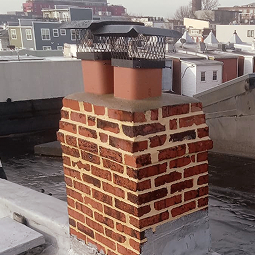
Chimney Repair
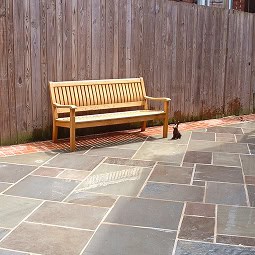
Patios
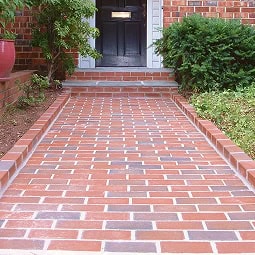
Walkways
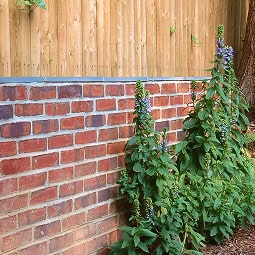
Retaining Walls


