
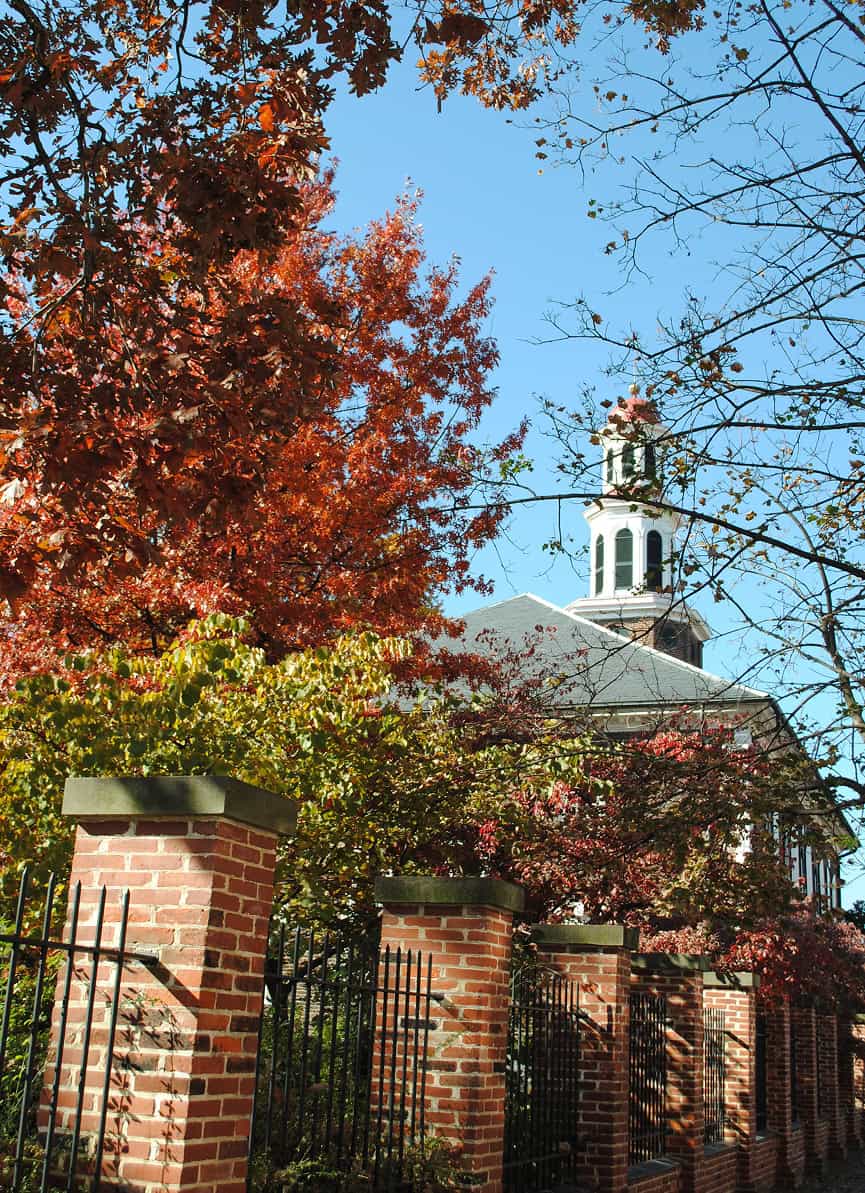
Historic Masonry Specialists
Why Choose
Renaissance Development
Your historic brick home deserves more than a quick patch. Renaissance Development helps homeowners protect older masonry with careful evaluation, appropriate materials, clear communication, and restoration work designed to support both appearance and long-term stability.
From rowhouse façades and chimneys to patios, walkways, steps, and retaining walls, our work is shaped by a preservation-minded understanding of Washington, DC’s older brick buildings and the homes that give the region its character.
- Founded in 2004 by Dr. Christina K. Wilson
- Historic masonry and exterior masonry specialists
- Hundreds of completed projects in Washington, DC and Old Town Alexandria
- Licensed in the District of Columbia and Virginia
- Fully bonded and insured


What Homeowners Can Expect From Renaissance Development
Renaissance Development repairs and restores masonry steps with attention to safety, durability, material compatibility, and historic appearance. The scope of work depends on the condition of the steps, the adjacent masonry, and the underlying causes of deterioration.
01
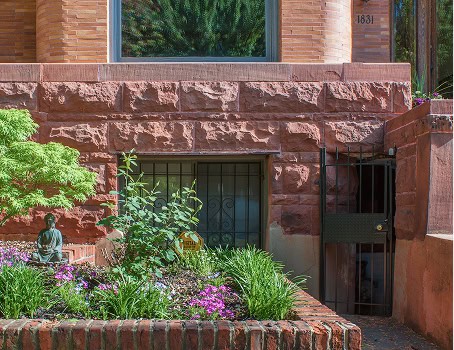
Careful Craftsmanship
Good masonry restoration should look appropriate to the building. We pay close attention to the details that determine both appearance and durability, including mortar color, mortar texture, joint profile, brick condition, and the overall character of the wall.
02
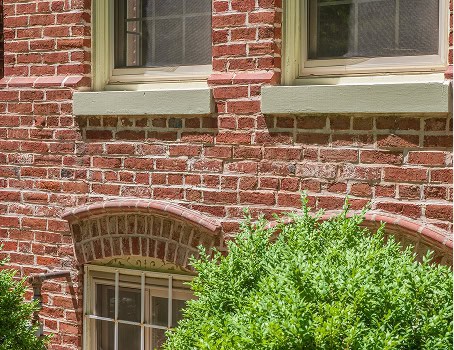
Materials That Work With Older Brick
Historic brick buildings require materials that are compatible with the original construction. Mortar should support the wall without trapping moisture or placing unnecessary stress on older brick. That is why we approach repair decisions with care, not shortcuts.
03
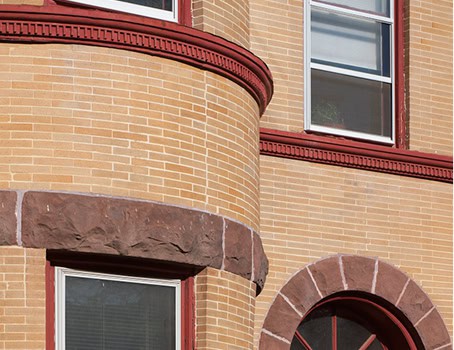
A Scope That Addresses the Real Condition
Visible deterioration is often only part of the problem. Recessed mortar, staining, loose bricks, chimney damage, and damp interior walls may indicate broader moisture or structural conditions. We evaluate the masonry so the recommended scope reflects what the building actually needs.
04
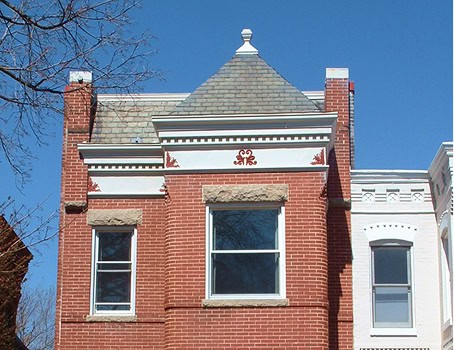
Respect for Your Home and Surrounding Areas
Before work begins, we plan for access, protection, and site care. That may include protecting landscaping, entry areas, neighboring surfaces, and other areas affected by the project.
05
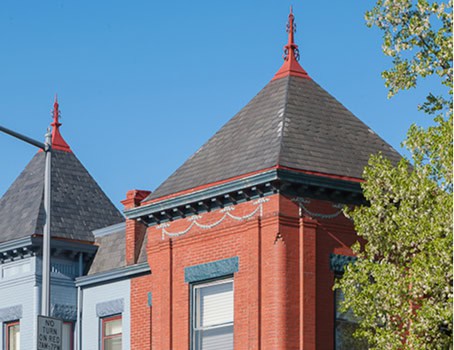
Clear Communication From Start to Finish
Homeowners should understand what is being recommended and why. We provide a written proposal, explain the work clearly, and keep the process organized through completion.
06
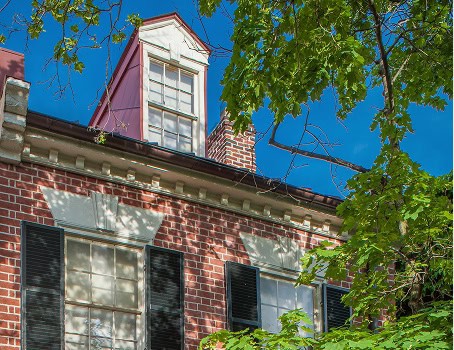
Cleanup and Final Review
Restoration work is not complete until the work area is cleaned and the finished masonry has been reviewed. At the end of the project, we walk through the completed work and address questions before closing out the job.
A Thoughtful Process for Historic Brick Homes
Evaluate the masonry
We inspect visible wall conditions such as failing mortar, damaged bricks, staining, moisture-related symptoms, chimney deterioration, and prior repairs that may no longer be performing properly.
Recommend the appropriate scope of work
After the evaluation, we provide a written proposal that defines the recommended restoration approach. The goal is to address the actual condition of the masonry, not simply cover the most visible symptoms.
Prepare and protect
Before work begins, we coordinate access, obtain required permits when the project requires them, and protect the building, landscaping, entry areas, and nearby surfaces.
Complete the restoration work
Deteriorated mortar is removed, damaged masonry is addressed, and compatible mortar is installed with careful attention to appearance, joint profile, and long-term performance.
Review the finished work
At completion, we review the project with the homeowner, answer questions, and make sure the completed work has been addressed clearly and thoroughly.
What Quality Masonry Restoration Should Look Like
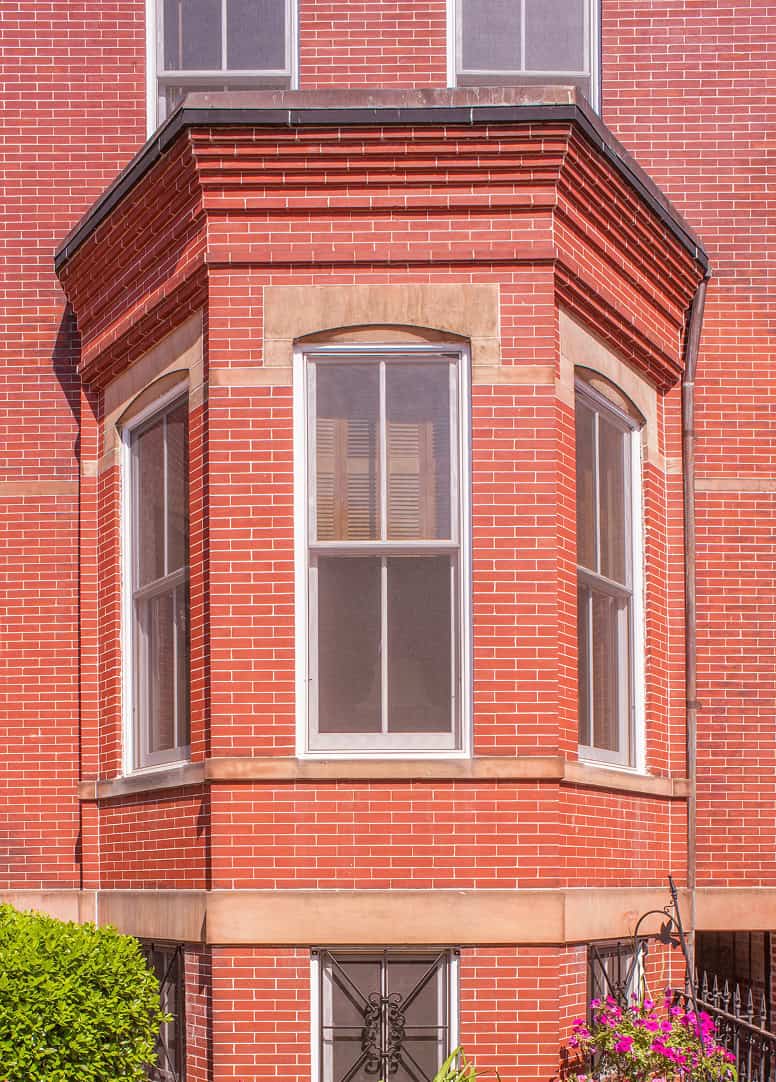
Quality masonry restoration should not appear as a haphazard repair or an obvious patch. On an older brick home, the best work supports the building quietly: the wall looks cared for, the brickwork retains its character, and the repair is compatible with the materials already in place.
Mortar compatibility
Replacement mortar should be selected with the age and condition of the building in mind. For many historic brick homes, lime-based mortar is essential because it behaves differently than hard cement-based repairs.
Proper joint preparation
Deteriorated mortar must be removed carefully so new mortar can bond properly. This work takes patience and skill because the surrounding brick must be protected during the process.
Brick and mortar appearance
The finished work should consider mortar color, texture, tooling, and the relationship between new and existing masonry. These details determine whether the repair improves the wall without distracting from the home’s character.
Durability over shortcuts
Quick surface patching may look acceptable at first, but it often fails to address the underlying condition. We focus on repair work that is appropriate to the wall and intended to last.
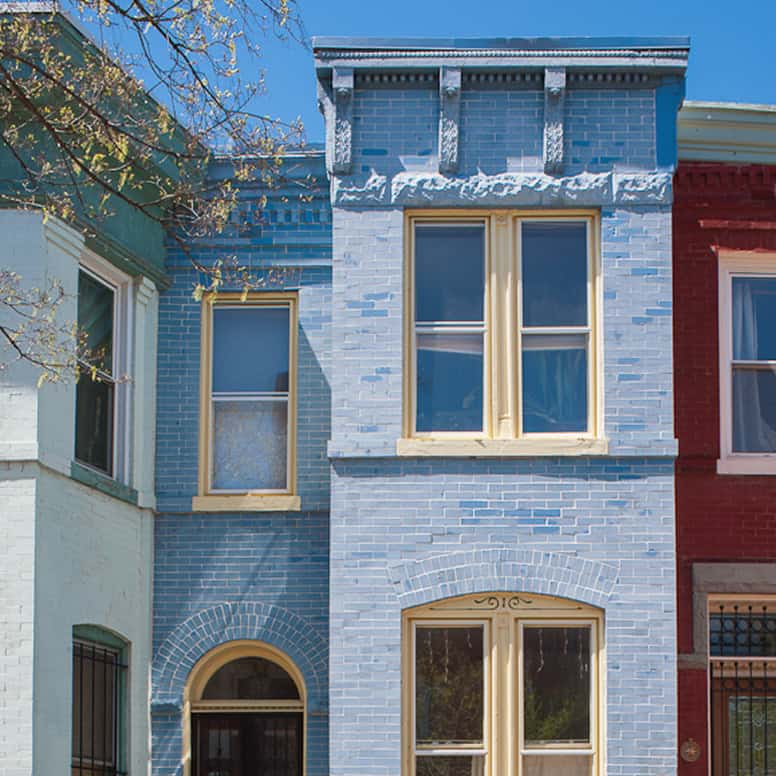
Respect for the Materials That Make Your Home Distinctive
Washington, DC’s older brick homes were built with materials and methods that differ from newer construction. Many historic walls rely on the relationship between brick and mortar for structural integrity. When the wrong material is introduced, it can trap moisture, damage softer brick, and accelerate deterioration.
Renaissance Development approaches these homes with respect for original materials, careful repair strategy, and a clear understanding of how older walls behave. The goal is not to erase the history of the wall. It is to restore the masonry in a way that protects the home while preserving the character that makes it worth protecting.
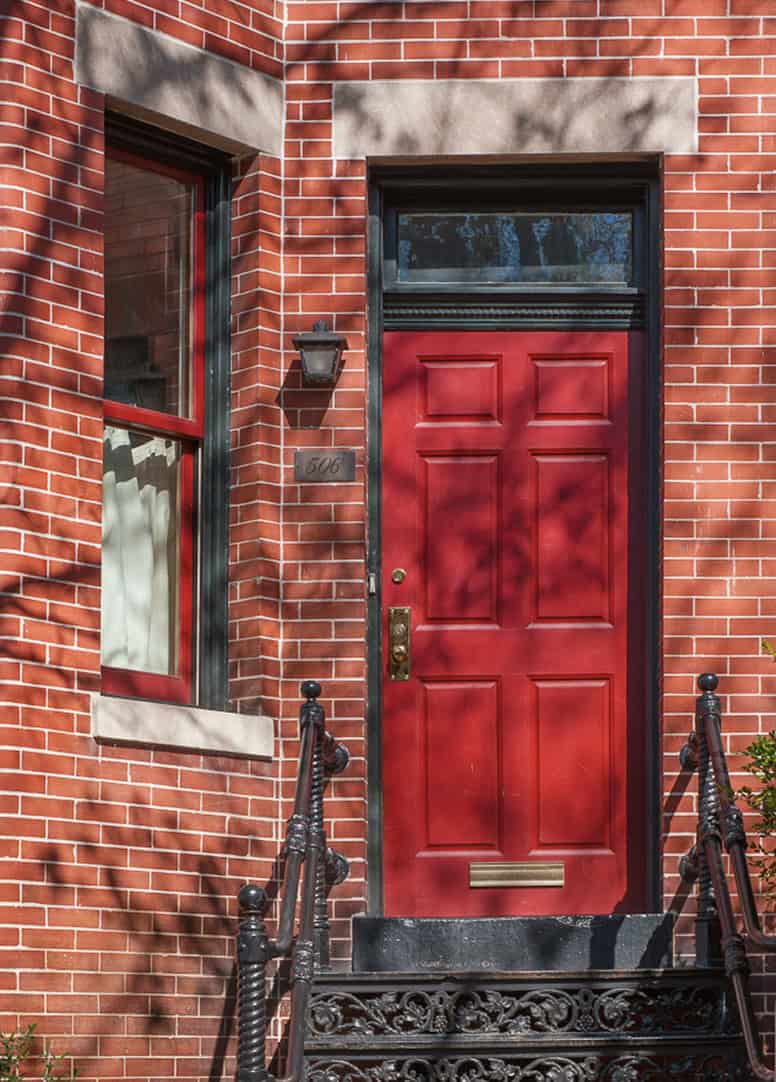
A Better Experience During the Work Itself
Homeowners often have practical concerns before masonry work begins: How long will it take? What will happen to the garden? How much dust or disruption should be expected? What if the wall reveals a larger issue once work begins?
Those questions matter. Our process is designed to make the experience more organized and less uncertain.
Scheduling clarity
Project timing depends on the size of the scope, access conditions, weather, and the condition of the masonry. We explain expected timing during the proposal process and communicate if conditions affect the schedule.
Protection of surrounding areas
We plan for the realities of working on older homes in dense neighborhoods. Landscaping, walkways, entry areas, neighboring surfaces, and adjacent structures are considered before work begins.
Updates when conditions change
Older masonry can reveal hidden deterioration once prior repairs or failed mortar are removed. When that happens, we explain what was found, why it matters, and how it affects the recommended work.
Respectful cleanup
Jobsite care is part of the work. We maintain an organized work area, clean up after the project, and review the completed masonry with the homeowner.
Led by Historic Preservation Expertise
Guided by an Architectural Historian

Meet Dr. Christina K. Wilson
Renaissance Development was founded in 2004 by Dr. Christina K. Wilson, whose background brings considerable depth to the company’s work with older buildings. Dr. Wilson holds a doctorate in architectural history from the University of Virginia and teaches architectural history and theory at The Catholic University of America.
That perspective matters because historic masonry restoration is not just a trade skill. It requires an understanding of how buildings were constructed, how materials age, and how repair decisions affect both appearance and durability. Under Dr. Wilson’s leadership, Renaissance Development approaches residential masonry with the combination of preservation knowledge and skilled field execution that older homes require.
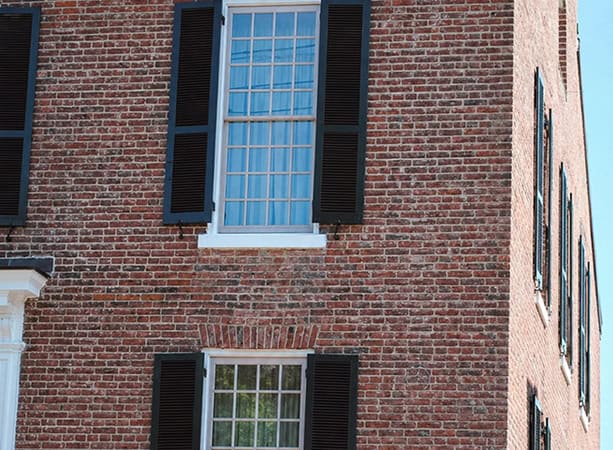
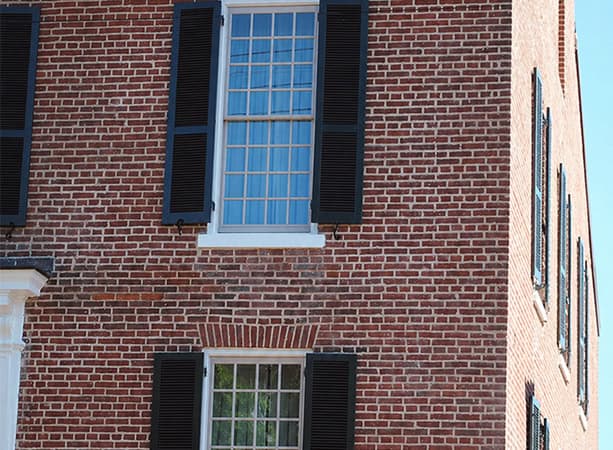
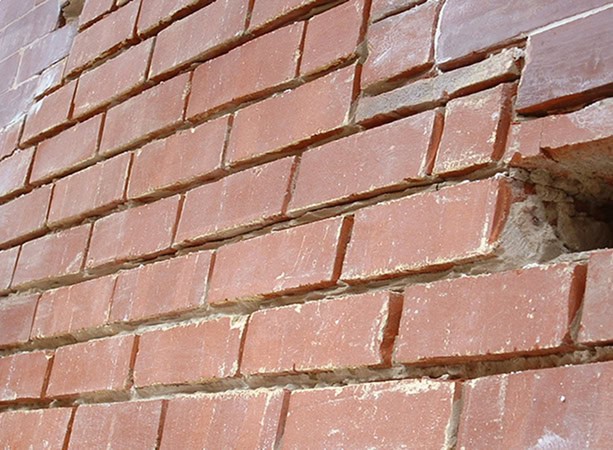
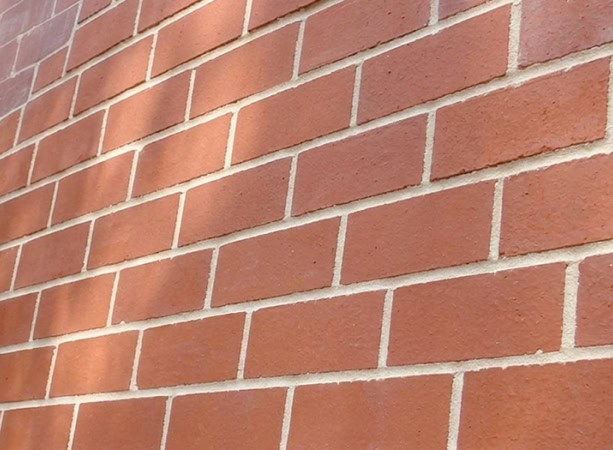
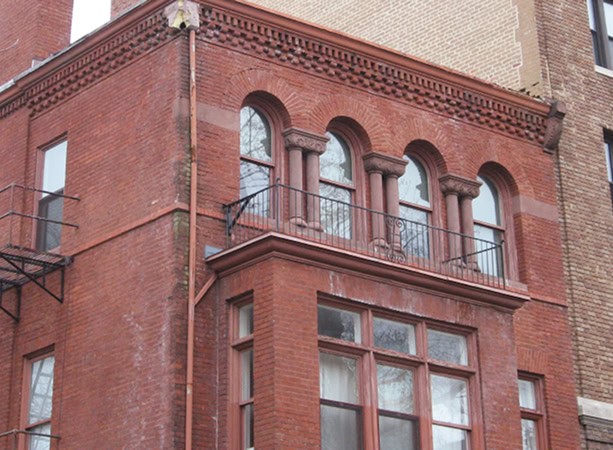
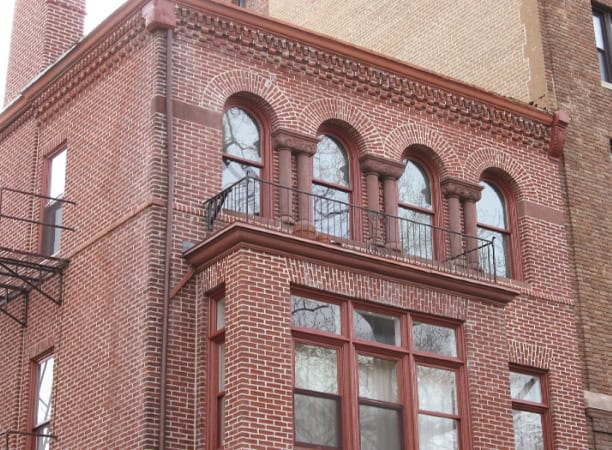
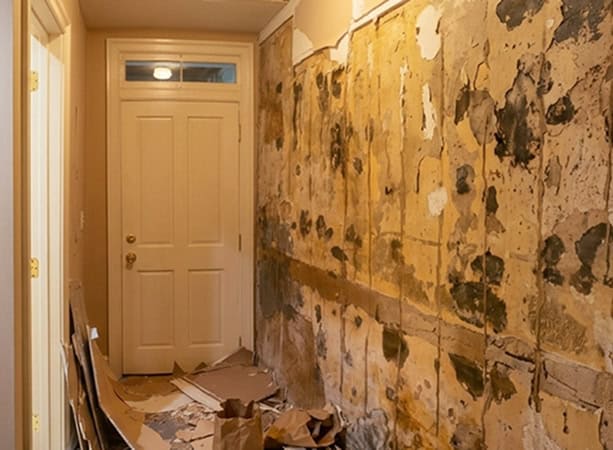
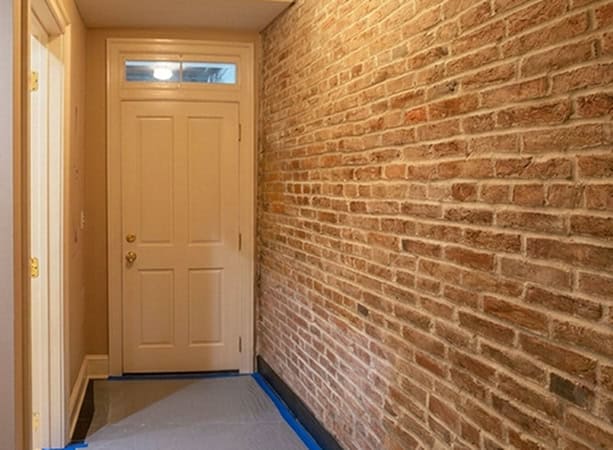
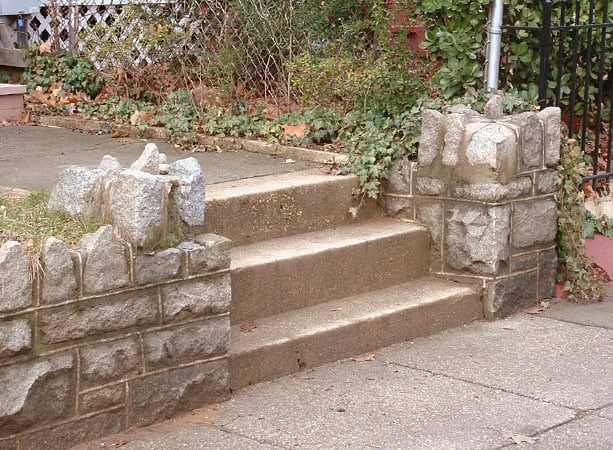
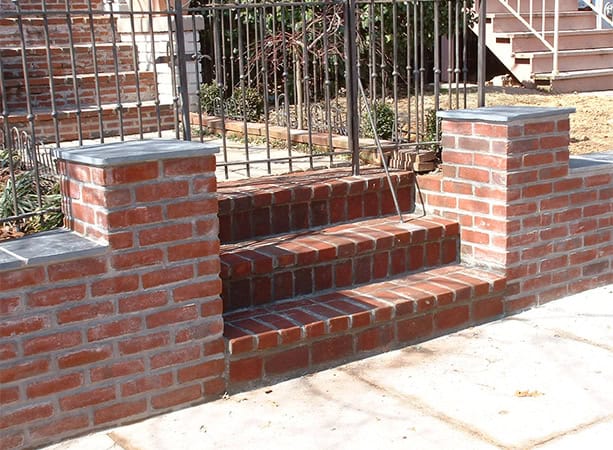
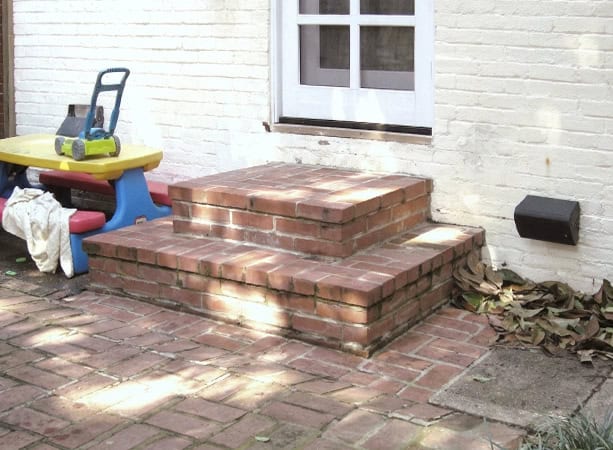
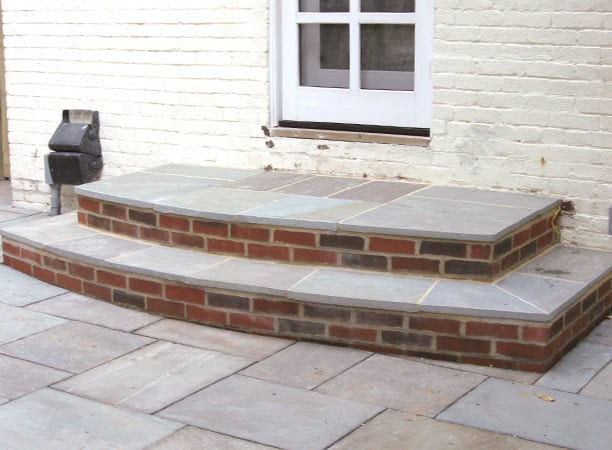
Before & After:
See How Careful Masonry Restoration Changes the Appearance and Stability of a Historic Brick Home

Serving Washington, DC and Old Town Alexandria
Renaissance Development serves homeowners and commercial clients throughout Washington, DC and Old Town Alexandria, with a strong focus on historic masonry and older brick buildings.
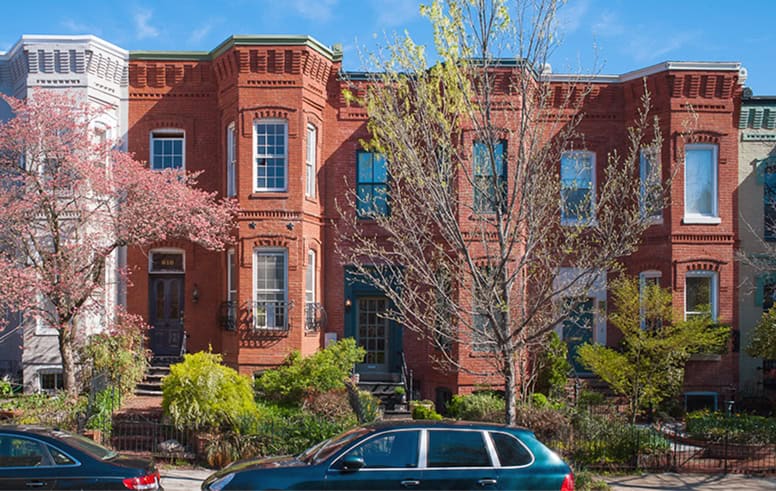
Interior masonry restoration is especially relevant in neighborhoods with historic rowhouses, apartment buildings, and masonry commercial structures, including:
From Defined Repairs to Full Façade Restoration
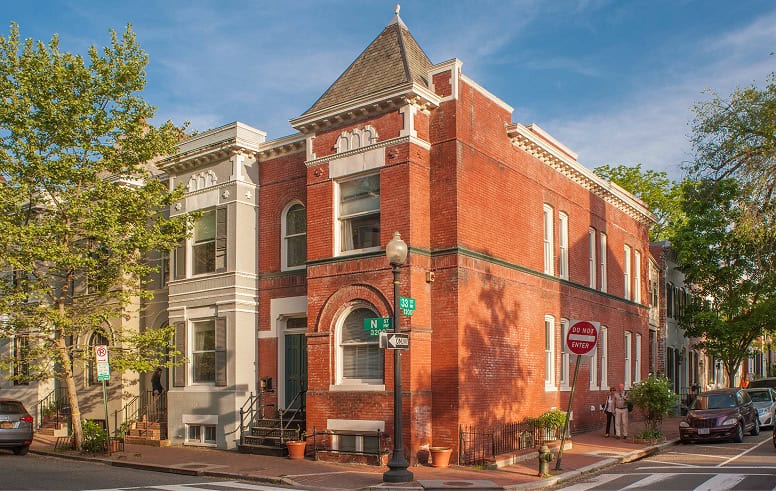
Some homeowners call about a single chimney, entry step, or visible area of deteriorated mortar. Others need a broader façade or exterior masonry scope. In either case, the process begins the same way: evaluate the condition, explain the appropriate next step, and recommend work that fits the building.
Helpful Educational Resources
Renaissance Development’s tuckpointing brochure provides useful background on proper masonry restoration practices for older brick buildings. It can be offered as a supporting link for homeowners who want to understand the work before scheduling.


Licenses & Certifications
Renaissance Development maintains licensing, certification, bonding, and insurance information for homeowner peace of mind.
Certifications
- Women Business Enterprise (WBE)
- Certified Business Enterprise — District of Columbia DSLBD Certification # LSZR53696112023
Licenses
- District of Columbia Contractor’s License #86109XXXX-54000214
- Virginia Contractor’s License #2705-1411239
- City of Alexandria Business License #127132
Bonding & Insurance
- Fully bonded and insured
- Western Surety Company Bond #71221564
- Erie Insurance Property Casualty — General Liability and Worker’s Compensation
Questions Homeowners Ask
Before Choosing a Masonry Company
How do you evaluate what my home needs?
We begin by looking at visible masonry conditions such as failing mortar, loose or damaged brick, staining, chimney deterioration, prior repairs, and signs of moisture intrusion. From there, we recommend a scope of work that reflects the condition of the masonry and the areas that need attention.
How do you make repairs match the existing brick and mortar?
Matching is part of the restoration strategy. We look closely at mortar color, texture, tooling, joint profile, and the surrounding brickwork so the finished repair supports the appearance of the home rather than standing out as an obvious patch.
How do you protect my home, landscaping, and entry areas?
Protection is planned before work begins. Depending on the scope, that may include protecting landscaping, walkways, entry areas, neighboring surfaces, and other areas that could be affected by the work.
What happens if unexpected conditions are found?
Older masonry can reveal additional deterioration after failed mortar or prior repairs are removed. When that happens, we explain what was discovered, why it matters, and whether it affects the original scope or recommended next step.
What affects timeline and cost?
Timeline and cost depend on several factors, including the size of the wall area, the number of elevations involved, access conditions, scaffolding needs, the amount of deteriorated mortar, brick replacement needs, prior repairs, weather, and permit requirements when applicable.
How do you communicate during the project?
We begin with a written proposal and continue with clear communication as the work progresses. Homeowners should know what is happening, what has been completed, and whether any conditions need to be discussed.
How do I know whether repointing is needed instead of brick replacement?
Repointing addresses deteriorated mortar joints. Brick replacement is considered when individual bricks are spalling, broken, loose, or too deteriorated to perform properly. Many projects include repointing along with selective brick repair or replacement where needed.
Can you help with moisture-related symptoms?
Yes, we can evaluate masonry conditions that may be contributing to moisture intrusion, such as open joints, failing mortar, damaged bricks, deteriorated chimneys, or incompatible prior repairs. Because moisture can come from more than one source, we avoid overpromising until the masonry has been evaluated.
Do painted brick homes still need masonry evaluation?
Yes. Paint can hide deteriorated joints and may trap moisture in the wall. A painted brick façade can still require repointing or other masonry restoration work, especially when staining, flaking paint, damp interior walls, or visible cracking are present.
Do you provide free estimates?
Yes. Homeowners can contact Renaissance Development to schedule a free estimate and discuss what they are seeing on their historic brick home.
The Renaissance Difference, In Our Clients’ Words
Restoration • Rejuvenation • Rebirth
Protect the Character and Stability
of Your Historic Brick Home
Masonry problems on older homes may begin as worn mortar, staining, loose brick, or chimney deterioration. Left alone, those conditions can allow moisture to move into the wall and create more serious problems over time.
Renaissance Development can evaluate your masonry, explain the appropriate scope of work, and restore your home with the careful, preservation-minded approach historic brick deserves.
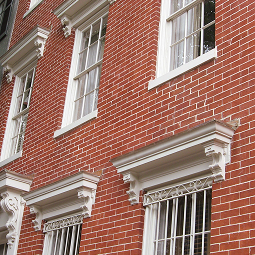
Tuckpointing
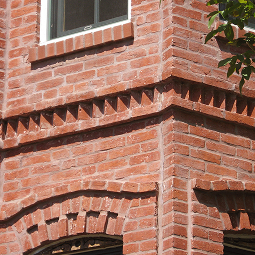
Mortar Restoration
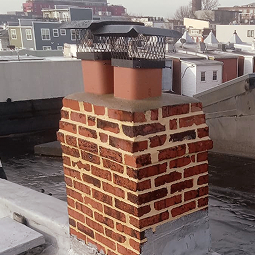
Chimney Repair
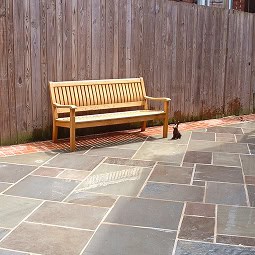
Patios
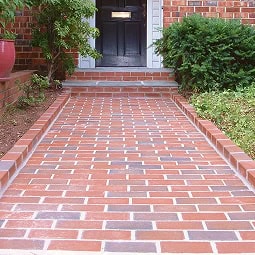
Walkways
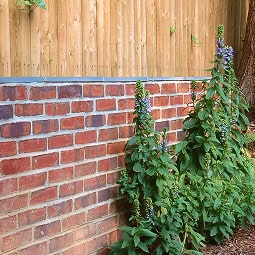
Retaining Walls


