
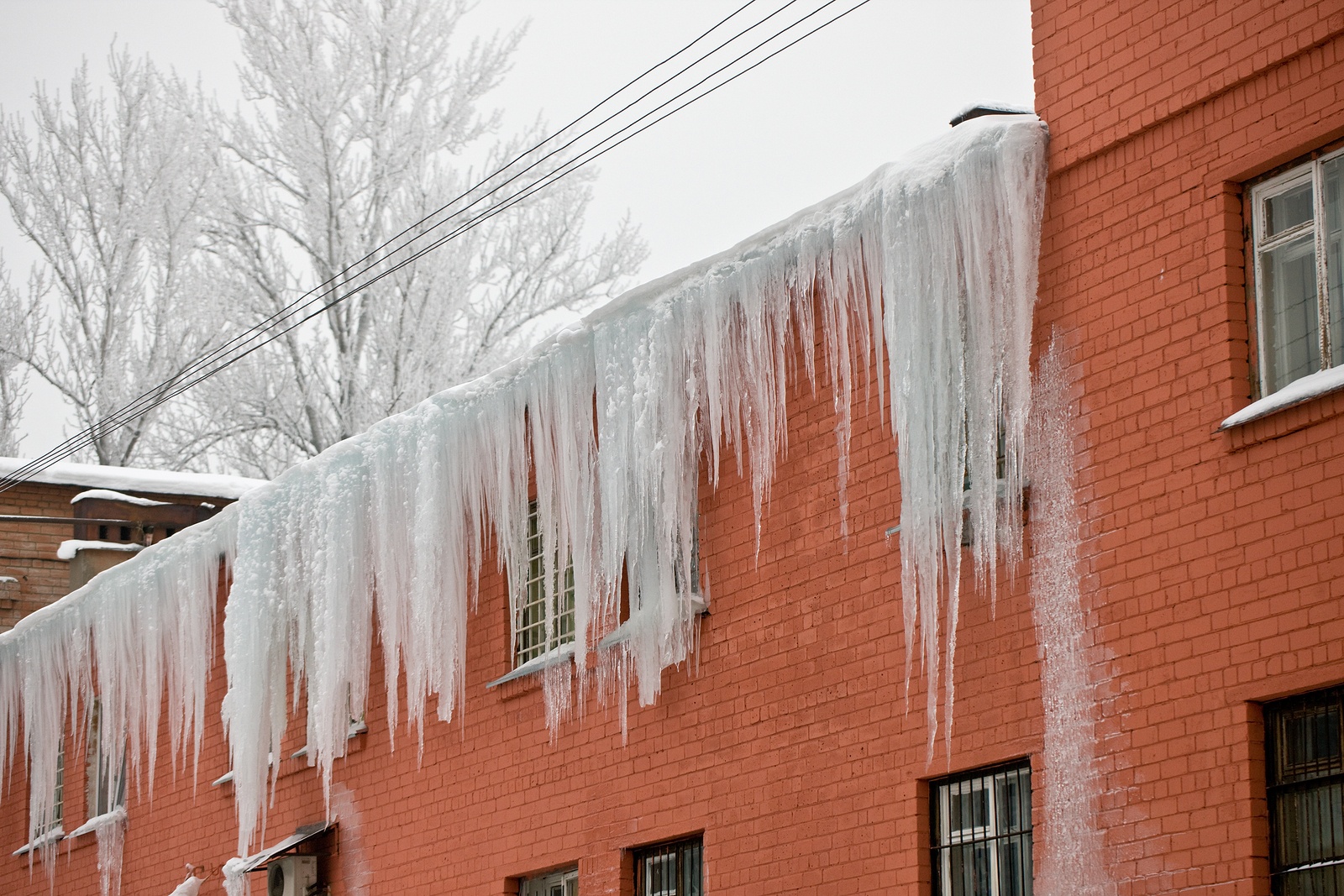
How does an ice dam form?
Ice dams form when heat escapes through the roof and melts the snow that has settled there. When the melting water reaches the eaves, it is exposed to cold air and refreezes. Over time, the ice builds up and prevents water from draining off the roof. As the ice dam grows, water is trapped and can work its way under the shingles. From there it can travel into the interior of the home.
What should you look for?
The first warning might come with the sight of water dripping from a soffit panel under the eaves. Next, water may form icicles on the siding. If left unchecked, it can move into the home’s interior, where you may see drips from the ceiling or running down the walls. Damage to the interior can vary from a small spot on the ceiling to saturated insulation and drywall. In some cases problems with mold will develop.
How can ice dams be prevented?
Use heated cables. Attached with clips along the roof’s edge in a zigzag pattern, heated cables combat ice dams that lift shingles and cause leaks.
Blow in cold air. Take a box fan into the attic and aim it at the underside of the roof where water is actively leaking in. This targeted dose of cold air will freeze the water in its tracks. 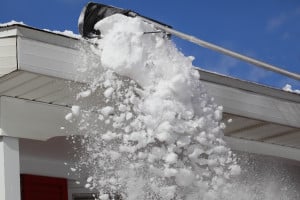
Rake the snow. Pull off snow with a long-handled aluminum roof rake while you stand safely on the ground. If the snow and ice dam buildup is significant, home owners should consider hiring a professional service to clear the roof of ice and snow.
Renaissance Development, masonry contractors in Washington DC, is a leader in brick restoration and historic preservation. If your DC brick home has sustained damage from ice dams or winter weather, contact us.
“We are proud to have been nominated for Best Contractor in DC. Don’t forget to vote for us, with the buttons on the right, by March 1, 2015. Thanks!”


