
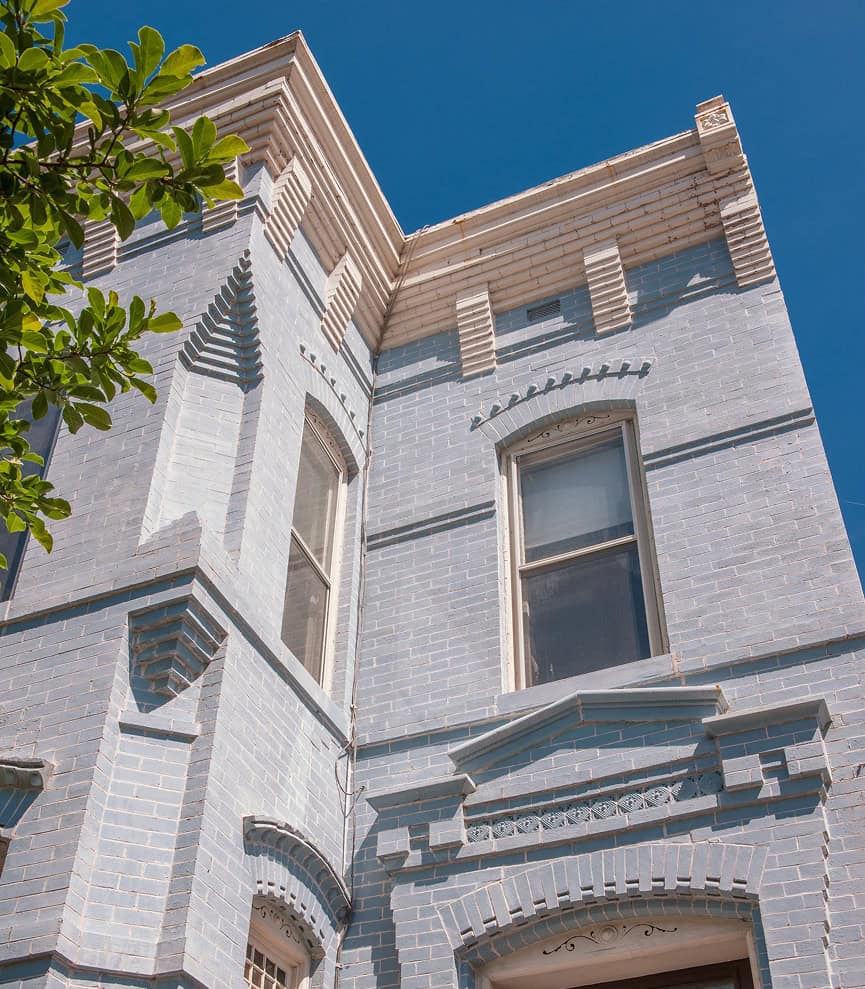
Historic Masonry Specialists
Our Masonry
Restoration Process
Historic masonry restoration should begin with a careful understanding of the building. Renaissance Development follows a clear process designed to evaluate the condition of older brick walls, recommend the appropriate scope of work, protect the property, and complete restoration with care.
From the first conversation to the final walkthrough, our work is guided by preservation-minded expertise, clear communication, and respect for the building and surrounding property.


- Careful
Evaluation - Detailed Written Proposals
- Site
Protection - Skilled
Masonry Crews - Final
Walkthrough
Every Project Begins With Understanding the Building
Historic masonry requires more than a quick look.
Many masonry problems first appear as small visual concerns: crumbling mortar, recessed joints, staining, loose bricks, or damp interior walls. On an older brick building, those symptoms may point to a larger wall condition.
That is why Renaissance Development does not approach masonry restoration as a simple patch. We look closely at how the wall was built, how moisture may be moving through it, whether previous repairs are compatible, and what scope of work will best protect the building’s appearance and long-term stability.
A thoughtful process helps prevent superficial repairs and gives clients a clearer understanding of what the building needs.
Step 1 — Initial Contact
Tell us what you are seeing.
The process begins with a conversation. You may be seeing mortar that crumbles to the touch, cracks around windows or doors, loose brick, chimney deterioration, staining on the façade, interior moisture, or older cement patches that no longer match the surrounding wall.
At this stage, we want to understand the visible concern, the type of building, the location of the problem, and whether there are any access issues or timing considerations.
Common reasons clients contact us include:
- Crumbling, missing, or recessed mortar joints
- Loose, shifting, or deteriorating bricks
- Cracks near windows, doors, or rooflines
- Chimney deterioration
- Spalling or flaking brick faces
- White staining, dark streaking, or damp interior walls
- Painted brick façades with hidden mortar problems
- Older cement repairs that appear to be failing
Step 2 — On-Site Masonry Evaluation
We look closely at the condition of the wall.
During the evaluation, Renaissance Development inspects the visible masonry conditions and considers what may be happening beyond the most obvious area of damage.
On older brick buildings, mortar failure is often not limited to one isolated location. Water may enter through open joints, deteriorated chimneys, damaged brick, roofline conditions, or previous repairs that are no longer performing properly.
The evaluation helps determine whether the project requires tuckpointing, brick repair, chimney restoration, broader façade restoration, or another masonry scope.
What we consider during evaluation:
- Condition of mortar joints
- Areas of cracking, staining, or moisture intrusion
- Loose, damaged, or displaced brick
- Prior repairs, including cement patches or incompatible mortar
- Chimney condition, if applicable
- Painted or coated masonry surfaces
- Access needs and scaffolding requirements
- Adjacent landscaping, surfaces, or neighboring properties
- Whether permits or approvals may be required
This step allows us to recommend work based on the building’s actual condition rather than the most visible symptom alone.
Step 3 — Scope Development & Written Proposal
A clear recommendation before work begins.
After the evaluation, Renaissance Development prepares a written proposal outlining the recommended scope of work. The proposal is intended to help clients understand what areas will be addressed and how the project will be approached.
A clear scope is especially important with historic masonry. The work may involve removal of deteriorated mortar, correction of failed prior repairs, selective brick repair or replacement, chimney work, cleaning, scaffolding, permits, and protection of adjacent areas.
The goal is to define the work before the project begins so the client has a clear path forward.
A typical proposal may address:
- Areas of masonry included in the scope
- Recommended restoration approach
- Access and scaffolding requirements
- Permit considerations, when applicable
- Masonry repair or brick replacement needs
- Preparation and property protection
- General project sequencing
- Estimated project timeline based on scope and conditions
Step 4 — Permits, Access & Scheduling
Preparing the project before crews arrive.
Before restoration work begins, Renaissance Development coordinates the practical details needed to move the project forward. Depending on the building, location, and scope of work, this may include permits, access planning, scaffolding coordination, scheduling, and communication about what the client should expect.
This step is especially important in Washington, DC’s historic neighborhoods, where rowhouses, alleys, gardens, sidewalks, neighboring structures, and tight access conditions can affect how the work is planned.
Planning may include:
- Confirming project schedule and expected sequence
- Coordinating access to the work area
- Determining whether scaffolding is required
- Obtaining required permits when needed
- Reviewing protection needs for landscaping and adjacent surfaces
- Identifying neighboring property considerations
- Communicating what should be moved, cleared, or protected before work begins
Good preparation helps the project run more smoothly and reduces surprises once the work is underway.
Step 5 — Site Preparation & Protection
Protecting the building and surrounding property.
Masonry restoration can affect more than the wall being repaired. Dust, debris, cleaning, scaffolding, tools, materials, and access routes all need to be considered before work begins.
Renaissance Development approaches site protection as part of the restoration process. The building, landscaping, adjacent structures, hardscape, windows, doors, and neighboring properties are considered so the work can proceed responsibly.
Site preparation may include attention to:
- Landscaping and garden areas
- Patios, walkways, steps, and hardscape features
- Adjacent brick, stone, wood, or painted surfaces
- Windows, doors, trim, and architectural details
- Shared walls, adjoining buildings, or neighboring spaces
- Walkways, sidewalks, and access areas
- Worksite organization and debris management
The objective is straightforward: prepare the work area carefully so the masonry can be restored with respect for the property and its surroundings.
Schedule a free Inspection
Step 6 — Careful Masonry Restoration
Restoration work performed with attention to compatibility and detail.
Once the project is prepared, Renaissance Development completes the masonry work according to the approved scope. The exact work depends on the building and condition of the masonry, but the guiding principles remain consistent: appropriate materials, careful execution, and respect for the historic fabric.
For tuckpointing and mortar restoration, deteriorated mortar is removed from the joints and replaced with mortar appropriate for the building. Where brick units have failed, selective repair or replacement may be needed. If chimneys or specific façade areas are included in the scope, those conditions are addressed as part of the project.
Restoration work may include:
- Removing deteriorated mortar from masonry joints
- Removing incompatible prior repairs where appropriate
- Repairing or replacing damaged bricks as needed
- Installing mortar compatible with older brick buildings
- Matching mortar color, texture, and joint profile as closely as possible
- Restoring chimney or façade areas included in the scope
- Tooling joints for both appearance and performance
- Cleaning restored masonry at the appropriate stage of work
The finished work should support both the appearance and durability of the building. Quality masonry restoration should not look like a careless patch. It should feel considered, compatible, and appropriate to the structure.
Step 7 — Cleanup & Final Walkthrough
Reviewing the completed work with the client.
At the end of the project, the work area is cleaned and the restored masonry is reviewed. This final stage gives the client an opportunity to see what has been completed, ask questions, and understand the work performed.
The final walkthrough is part of the same professional approach that guides the project from the beginning. The goal is to close the job clearly, thoroughly, and with the property treated respectfully.
The final stage includes:
- Cleaning the restored masonry as appropriate
- Removing project-related debris from the work area
- Reviewing the completed work
- Addressing client questions
- Confirming that the scope has been completed
- Leaving the property in orderly condition
Process at a Glance
A simple path from concern to completed restoration.
Contact Renaissance Development
Tell us what you are seeing and where the concern is located.
Schedule an evaluation
We inspect the masonry and consider the visible condition, prior repairs, moisture patterns, and access needs.
Receive a written proposal
You receive a clear scope of work and recommended restoration approach.
Prepare for the project
Permits, access, scaffolding, scheduling, and site protection are coordinated as needed.
Restoration work begins
Our crews complete the masonry restoration with attention to materials, detail, and property protection.
Review the completed work
The project concludes with cleanup and a final walkthrough.
Why Our Process Matters
Better Planning Leads to Better Restoration
Historic masonry projects are often more complex than they first appear. The visible issue may be only one part of the building’s condition. Moisture may be entering through deteriorated mortar, loose brick, chimney joints, roofline conditions, or failed prior repairs.
A careful process allows Renaissance Development to evaluate the masonry more thoroughly, recommend a scope that fits the building, and complete the work with greater attention to detail.
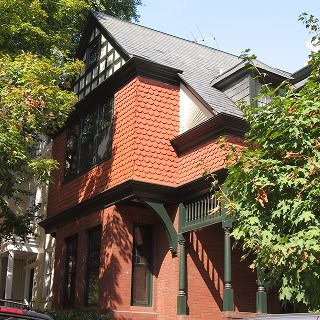
It helps protect the historic fabric
Older brick and lime-based mortar require compatible materials and careful handling. A thoughtful process helps preserve the original character of the wall while improving performance.
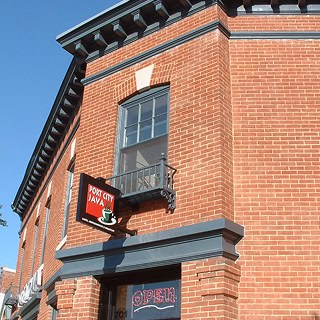
It reduces uncertainty for the client
A written proposal, defined scope, scheduling communication, and final walkthrough help clients understand what will happen and why.
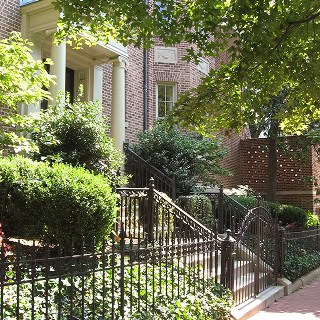
It supports better site protection
Planning for access, scaffolding, landscaping, adjacent surfaces, and neighboring properties helps the project proceed more responsibly.

It improves the final result
When evaluation, preparation, materials, craftsmanship, and cleanup are all treated as part of the same process, the finished restoration is more likely to support both appearance and durability.
What Clients Should Know
Before Work Begins
A few practical details help the project move smoothly.
Every building and scope of work is different, but clients are often asked to help prepare access to the areas being restored. Renaissance Development will provide project-specific guidance when work is scheduled.
Before work begins, clients may be asked to:
- Move personal items away from affected walls or work areas
- Clear access to gates, alleys, side yards, patios, or rear façades
- Identify delicate landscaping or exterior features that require special attention
- Notify neighbors if access or adjacent areas may be affected
- Confirm parking, staging, or entry details when needed
- Ask any questions about schedule, access, noise, or cleanup expectations
Clear preparation supports a more organized project and helps the team protect the property from the start.
Common Project Types That Follow This Process
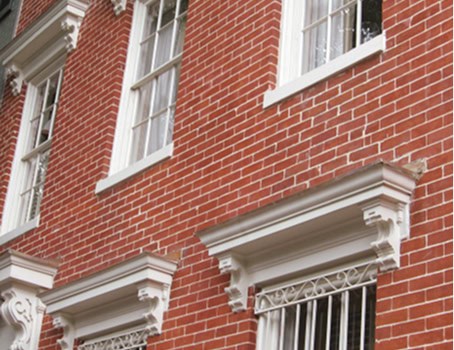
01
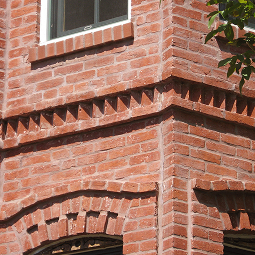
Tuckpointing and Mortar Restoration
For buildings with crumbling, recessed, or missing mortar, the process typically includes evaluation of wall conditions, removal of deteriorated mortar, installation of compatible mortar, joint finishing, and cleaning.
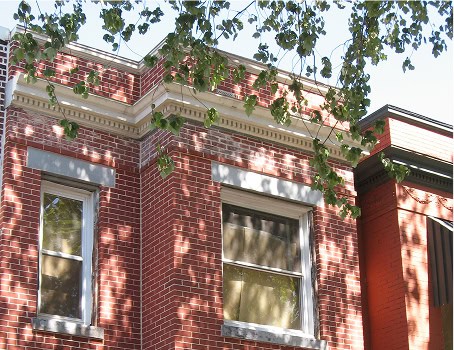
02
Brick Repair and Selective Replacement
Where individual bricks have failed, damaged masonry units may be repaired or selectively replaced as part of the larger restoration scope.
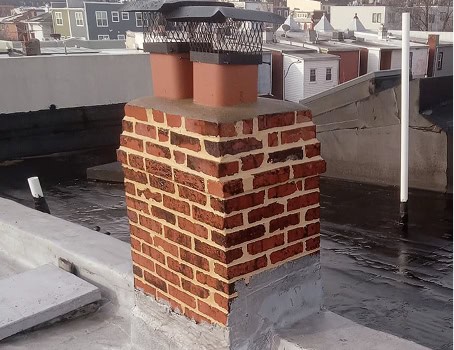
03
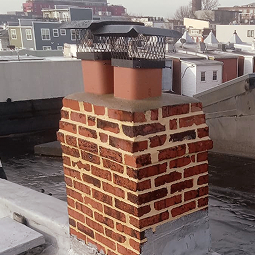
Chimney Restoration
Chimneys are common areas of deterioration because they are exposed to weather on all sides. Missing mortar, loose bricks, and open joints are evaluated and addressed according to the condition of the chimney.
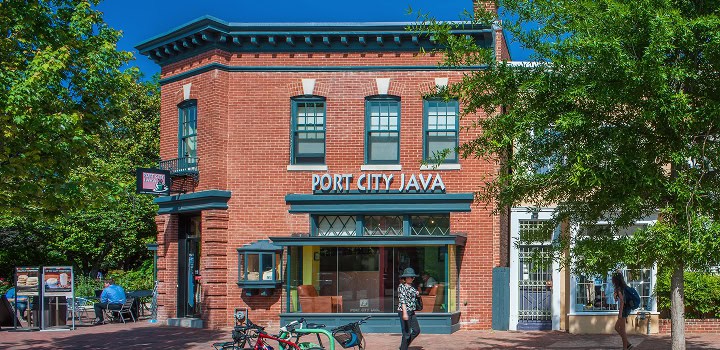
04
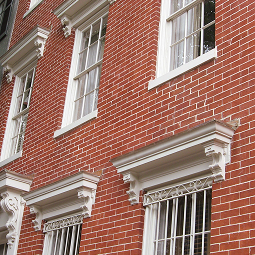
Façade Restoration
For larger wall areas, the process may involve scaffolding, broader mortar restoration, brick repair, cleaning, and coordination around windows, doors, rooflines, and adjacent surfaces.
05
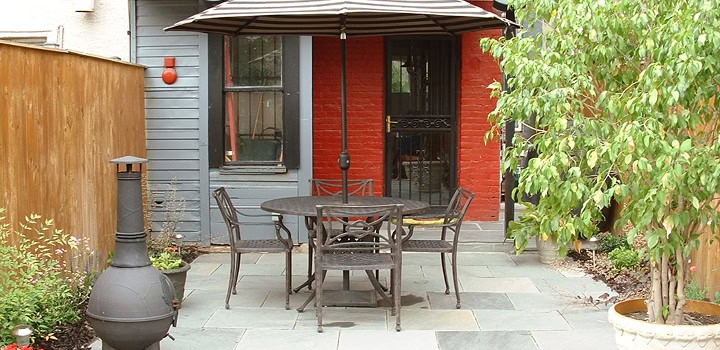
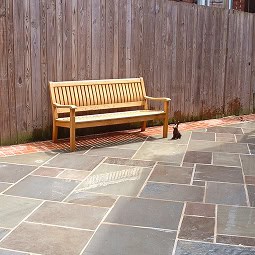
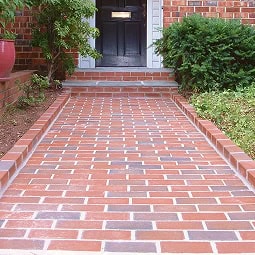
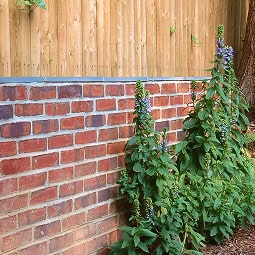
Exterior Masonry and Hardscapes
For patios, walkways, retaining walls, steps, and related exterior masonry features, the same principles apply: clear evaluation, defined scope, careful preparation, skilled execution, and final review.
Common Questions About the Process
Do I need to know exactly what service I need before contacting you?
No. Many clients contact Renaissance Development because they are seeing symptoms but do not know the cause. We can evaluate the masonry and help determine whether the appropriate next step is tuckpointing, brick repair, chimney restoration, façade restoration, or another scope of work.
What happens during the evaluation?
We look at visible masonry conditions such as failing mortar, cracks, loose brick, staining, chimney deterioration, moisture-related concerns, and prior repairs. We also consider access, scaffolding needs, adjacent areas, and whether permits may be required.
Will I receive a written proposal?
Yes. After evaluation, Renaissance Development provides a written proposal outlining the recommended scope of work and restoration approach.
Do you handle permits when they are needed?
When permits are required for a masonry restoration project, Renaissance Development incorporates that step into the process.
Will scaffolding be required?
It depends on the building and scope of work. Comprehensive masonry restoration often requires safe and stable access to the wall. When scaffolding is needed, it is planned as part of the project.
How long does a project take?
Project duration depends on the size of the building, the number of walls included, access conditions, weather, and the extent of deterioration. The timeline is discussed as part of the proposal and scheduling process.
How do you protect landscaping and adjacent surfaces?
Site preparation includes attention to landscaping, hardscape, windows, doors, neighboring structures, and adjacent areas that may be affected by the work. Protection needs are considered before restoration begins.
Can you work on occupied homes or buildings?
Yes. Many projects are completed on occupied homes and buildings. Communication, access planning, site organization, and cleanup are important parts of the process.
What happens at the end of the project?
The work area is cleaned, the restored masonry is reviewed, and the completed work is discussed with the client during the final stage of the project.
Restoration • Rejuvenation • Rebirth
Start With a Careful Masonry Evaluation
If your building is showing signs of failing mortar, loose bricks, chimney deterioration, staining, moisture intrusion, or earlier repairs that appear to be failing, Renaissance Development can help determine the appropriate next step.
Our process is designed for older brick buildings: careful evaluation, clear scope, responsible preparation, preservation-minded restoration, and a final walkthrough when the work is complete.
Tuckpointing
Mortar Restoration
Chimney Repair
Patios
Walkways
Retaining Walls


